
DISLOCATIONS AND SUBLUXATIONS
A dislocation is the complete displacement of the joint surfaces, while a subluxation is a partial displacement. These injuries can affect various joints and may involve damage to ligaments, bones, nerves, or blood vessels.
Treatment aims to restore joint alignment, identify any associated injuries, and guide recovery. The specific approach depends on the joint involved, the mechanism of injury, and its severity.
UNDERSTANDING DISLOCATIONS AND SUBLUXATIONS

-
This is the area located on the inner side of the knee and is the most frequently affected by osteoarthritis. Its wear and tear can cause internal pain and gradually lead to leg deformity.
-
Located on the outer side of the knee, this compartment is less frequently affected. Its wear and tear can cause lateral pain and gradually alter the leg's alignment.
-
This joint is located between the kneecap and the femur. When it is affected, pain often appears when climbing stairs, squatting, or after sitting for a long time.
RECOGNIZING THE SYMPTOMS
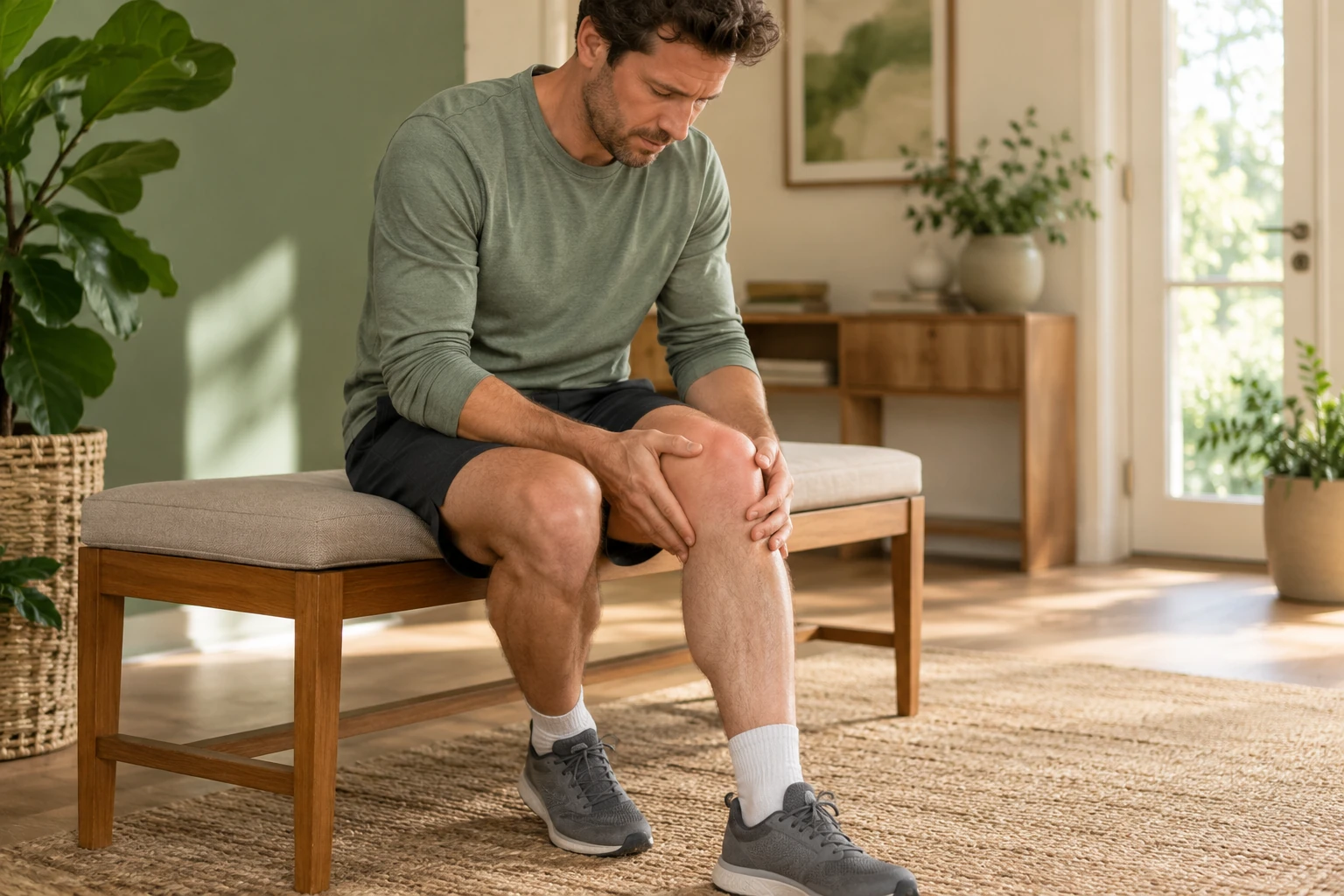
A dislocation usually occurs after trauma and can cause immediate pain. The appearance and symptoms vary depending on the joint: some dislocations are visible, while others reduce spontaneously before examination.
Severe pain
It often appears at the time of the trauma and can be exacerbated by any movement.Deformity or unusual position
The joint may appear displaced or no longer have its usual contour.Swelling and limited movement
The joint can swell rapidly and become difficult, or even impossible, to move.Tingling, numbness, or color change
These signs may indicate nerve or circulatory damage and warrant urgent evaluation.
These symptoms can also be related to a fracture or other injury. Only a medical examination can determine their cause. A deformed or locked joint, or a cold, pale, or numb limb, requires urgent medical attention.
HOW DO DISLOCATIONS AND SUBLUXATIONS OCCUR?
A shock or forced movement can displace the surfaces of a joint beyond their normal range of motion. The mechanism and stability specific to each joint influence the severity of the injury.
Direct collision
A fall, an accident or an impact can abruptly displace the joint surfaces.
Twisting or hyperextension movement
A joint forced into an extreme position can temporarily or permanently lose its alignment.
Sporting activity
A sudden impact, reception, or change of direction can cause a dislocation or subluxation.
Instability or relapse
A previous injury or joint laxity may promote new episodes in some people.
MAKE THE RIGHT DIAGNOSIS
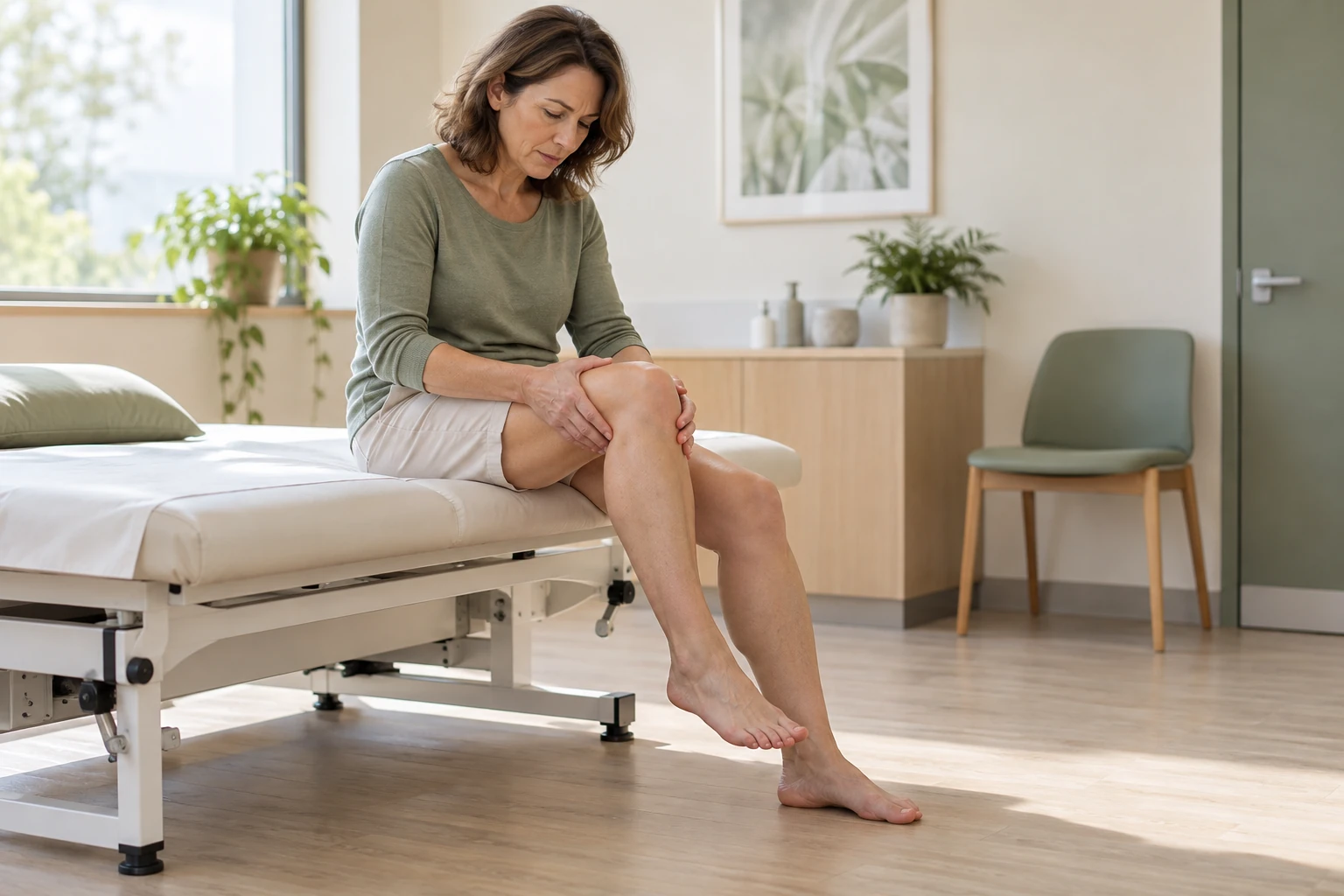
The diagnosis takes into account the circumstances of the injury, the clinical examination, and any necessary imaging tests. The doctor also checks the sensation, mobility, and circulation of the affected limb.
01 — Understanding the mechanism
The account of the trauma helps to identify the affected joint and to look for associated injuries.
02 — Examine the joint and the limb
The examination assesses alignment, pain, stability, sensation, and circulation. For suspected knee dislocation, checking the nerves and blood vessels is particularly important.
03 — Confirm and search for associated lesions
X-rays are used to check alignment and look for fractures. Depending on the joint and the results of the examination, a CT scan or MRI may be requested to further investigate bone or soft tissue damage.
A suspected knee dislocation is a medical emergency, even if the joint appears to have spontaneously returned to its original position.
TREATING DISLOCATIONS WITHOUT SURGERY
Initial treatment depends on the joint and the severity of the dislocation. When a dislocation is still present, it must be reduced by a healthcare professional, with pain relief or anesthesia if necessary. Do not attempt to realign the joint yourself.
The goal is to restore alignment, protect the joint, and allow for gradual recovery. Temporary immobilization and physiotherapy may be recommended when the situation allows.
Reduction and alignment control
The healthcare professional realigns the joint as needed, then checks the alignment and condition of the limb. X-rays may be taken before or after this step to check for a fracture or confirm the position.
Temporary protection
A splint, sling, or other device may be recommended to protect the joint. The duration and precautions depend on the affected joint and any associated injuries.
Pain management and monitoring
Appropriate measures can help relieve pain. Changes in swelling, tenderness, mobility, and circulation should be monitored according to instructions received.
Physiotherapy and progressive recovery
When authorized by a healthcare professional, physiotherapy helps to gradually regain mobility, strength, and control of the joint. Exercises are adjusted according to stability and recovery progress.
A medical reassessment is necessary if the pain worsens, if the joint becomes deformed again, or if numbness or a change in color occurs.
IN WHAT SITUATIONS SHOULD WE OPERATE?
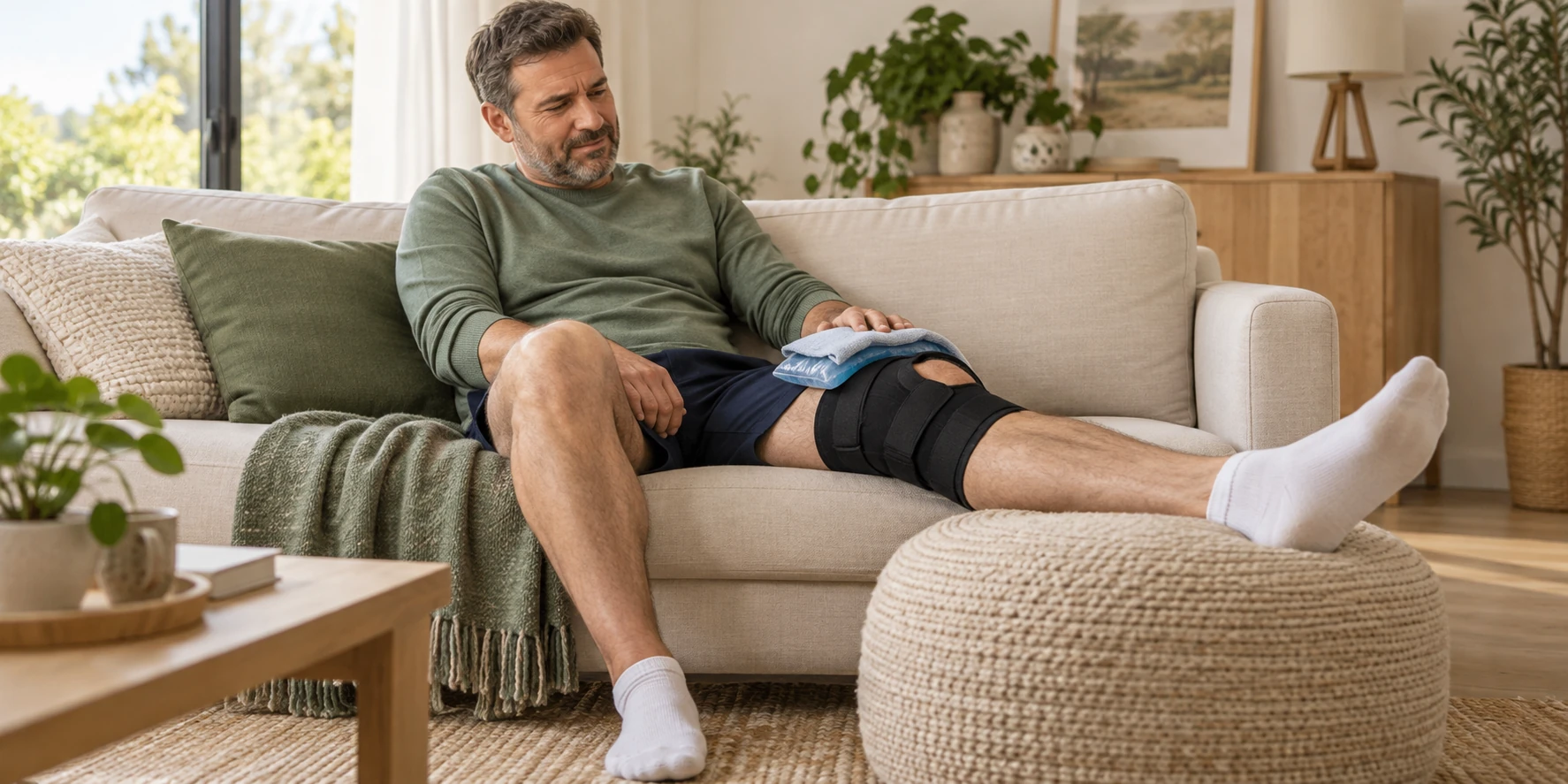
Surgery is not necessary for all dislocations. It may be considered when the joint remains unstable, when there are significant associated injuries, or when the dislocation cannot be satisfactorily treated without intervention.
The decision depends on the joint involved, the examination, the imaging results, previous episodes, and the patient's functional needs.
persistent instability
If the joint remains unstable after initial management, intervention may be discussed to treat the structures contributing to this instability.
Significant associated injury
A fracture or severe damage to ligaments, tendons or other structures may alter the management and warrant a surgical consultation.
Recurrent dislocations
Repeated episodes can lead to persistent discomfort and instability. After evaluation, intervention may be considered in certain situations.
GRADUALLY RESUME ACTIVITIES
After a dislocation, the return of movement depends on the joint and any associated injuries. Initially, it is essential to follow the protective measures and instructions given during treatment.
Mobilization and exercise are gradually resumed when permitted. Physiotherapy can help regain the mobility, strength, and control needed for everyday activities.
Pain or swelling that increases significantly during or after activity should prompt adjustments to your effort and consultation. Recovery times vary from person to person and cannot be standardized for everyone.
The recovery is built in stages, depending on the stability and evolution of the joint.
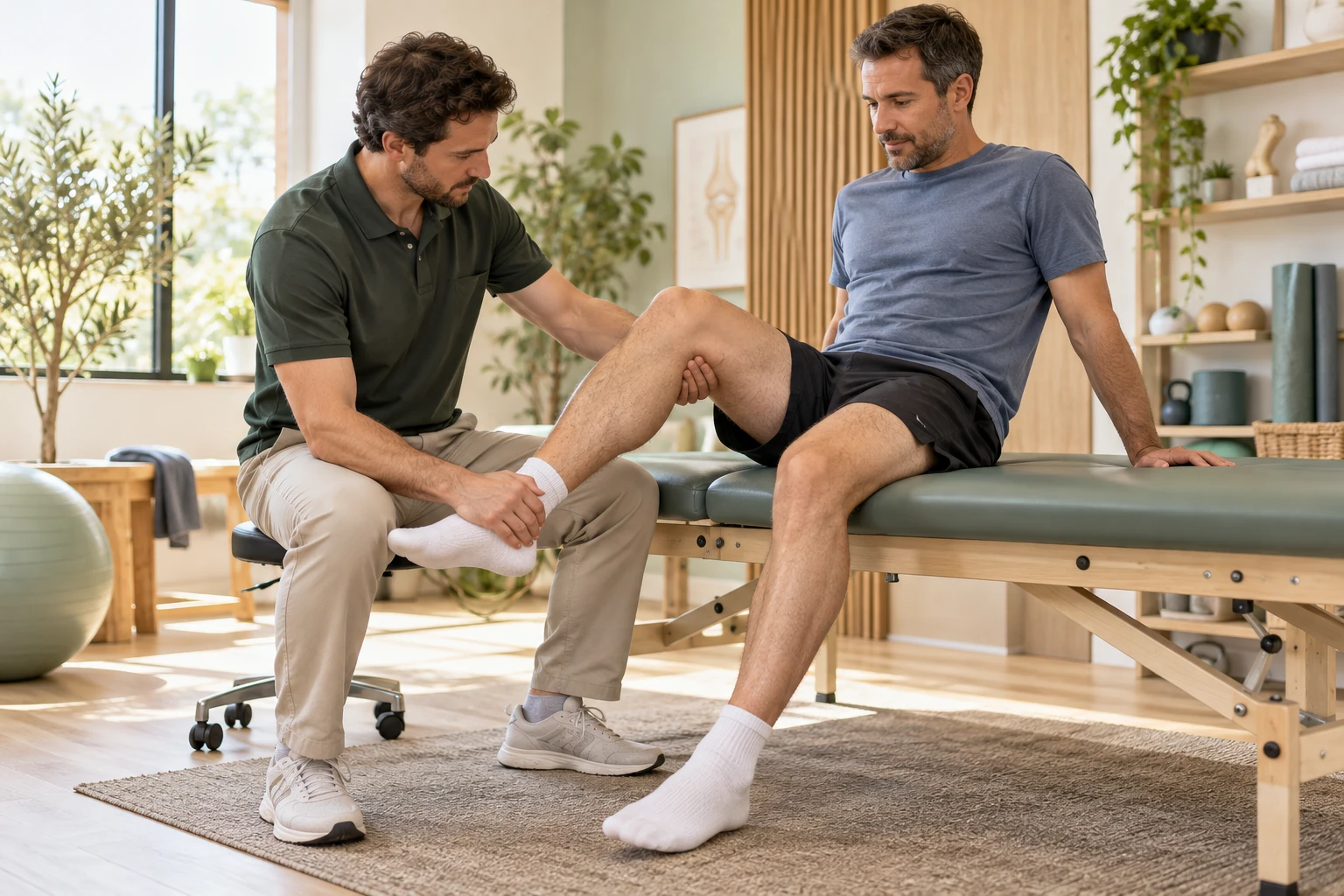

A CARE APPROACH TAILORED TO EACH PATIENT
A dislocation does not follow the same course in every patient. Management depends on the joint involved, the mechanism of injury, the pain, the stability, and any associated injuries.
Dr. Benoît Coulin takes into account functional impairment, activities, occupation, patient's objectives and the results of clinical examination and imaging when necessary.
Conservative treatment is preferred when appropriate. Surgery may be considered if instability or associated injuries warrant it.
«"Treatment is determined based on the joint, the injuries, and the needs of each patient."»
FREQUENTLY ASKED QUESTIONS
DOES A JOINT FEEL OUT OF PLACE OR UNSTABLE?
A clinical examination and, if necessary, appropriate imaging can determine the origin of the symptoms and guide treatment. A suspected dislocation, particularly of the knee, requires urgent evaluation.
