

EYE RELAPSE OR HEMARTHROSIS
An effusion is an excessive accumulation of fluid in the knee joint. After an injury, this fluid may contain blood: this is then called hemarthrosis.
Management aims to identify the cause of the swelling, protect the knee, and relieve symptoms. Treatment depends on the cause and any associated injuries.
UNDERSTANDING EMPTYING OR HEMARTHROSIS

-
This is the area located on the inner side of the knee and is the most frequently affected by osteoarthritis. Its wear and tear can cause internal pain and gradually lead to leg deformity.
-
Located on the outer side of the knee, this compartment is less frequently affected. Its wear and tear can cause lateral pain and gradually alter the leg's alignment.
-
This joint is located between the kneecap and the femur. When it is affected, pain often appears when climbing stairs, squatting, or after sitting for a long time.
RECOGNIZING THE SYMPTOMS
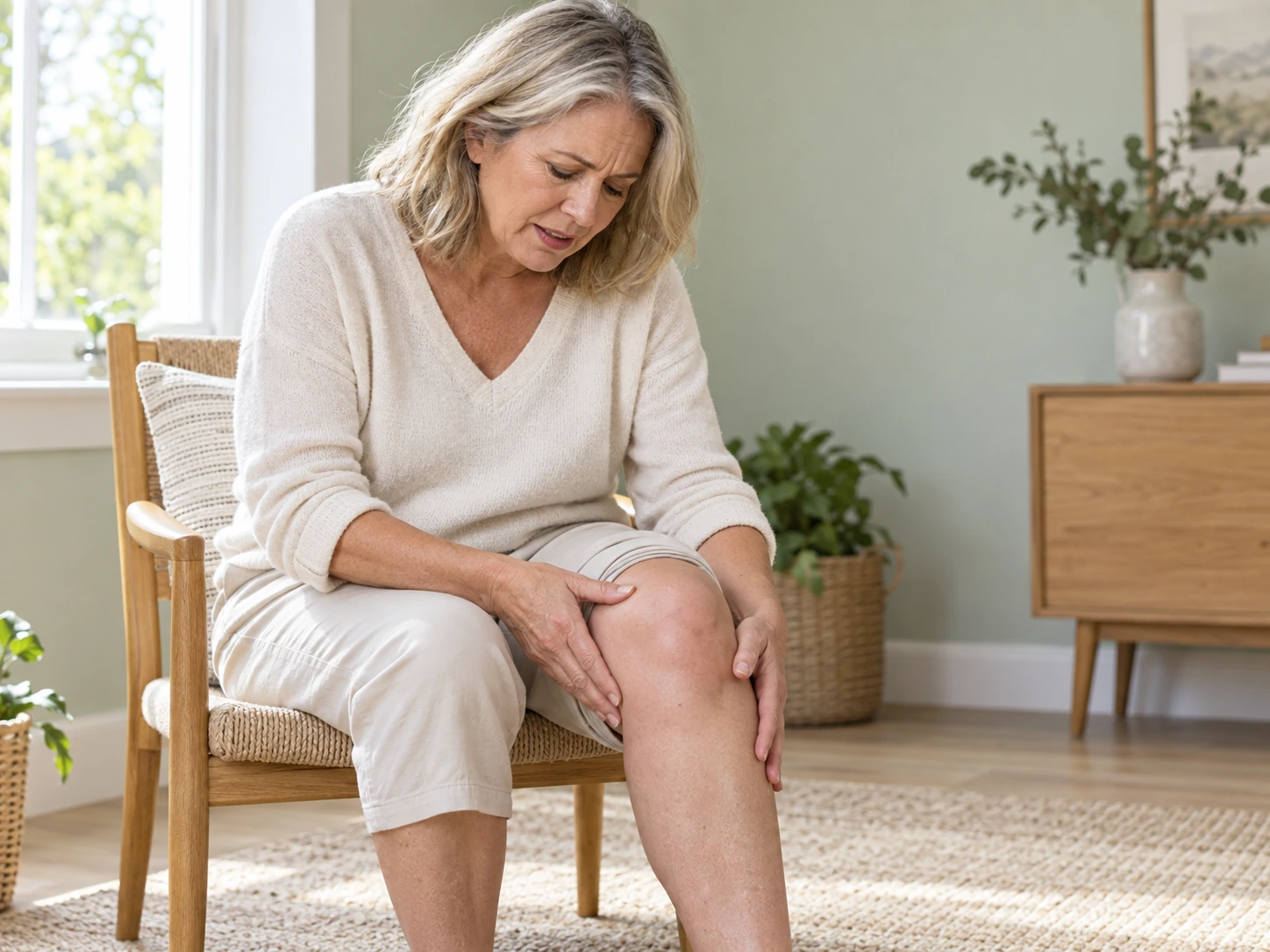
The knee can swell after an injury or gradually, depending on the cause. When swelling appears rapidly after an injury, hemarthrosis is possible and a medical examination may be necessary.
- Knee swelling: The joint appears larger than the other. Swelling may appear quickly or develop gradually.
- Feeling of tension: The knee feels tense or "full". Bending may become uncomfortable.
- Pain : Its intensity varies depending on the origin of the effusion. It may be more pronounced during pressure or movement.
- Reduced mobility: Bending or fully extending the leg can become difficult. Discomfort when walking may also occur.
These signs alone are not enough to identify the cause; it must be confirmed by a proper examination. A very painful, swollen, red, or hot knee, especially when accompanied by fever, requires prompt medical attention.
→ Discover the causes of knee swelling
WHY DOES KNEE EMPHASIZATION OCCUR?
An effusion is a reaction of the joint to irritation, inflammation, or injury. The context and speed of onset help guide the search for its cause.
Knee injury
A fall, impact, or twisting motion can cause effusion. If the swelling is rapid and significant, blood may be present in the joint.
Ligament injury
A sprain or ligament rupture can irritate the joint and be accompanied by fluid buildup. Hemarthrosis can occur after certain traumatic injuries.
Damage to the meniscus or cartilage
A meniscal or cartilage tear can cause pain, swelling, and limited movement. The circumstances surrounding the onset of the injury and the examination help to determine the cause.
Inflammatory cause or other condition
A fluid buildup can also occur without any obvious trauma, particularly in certain joint conditions. A hot or red knee, especially with fever, should be evaluated promptly.
MAKE THE RIGHT DIAGNOSIS
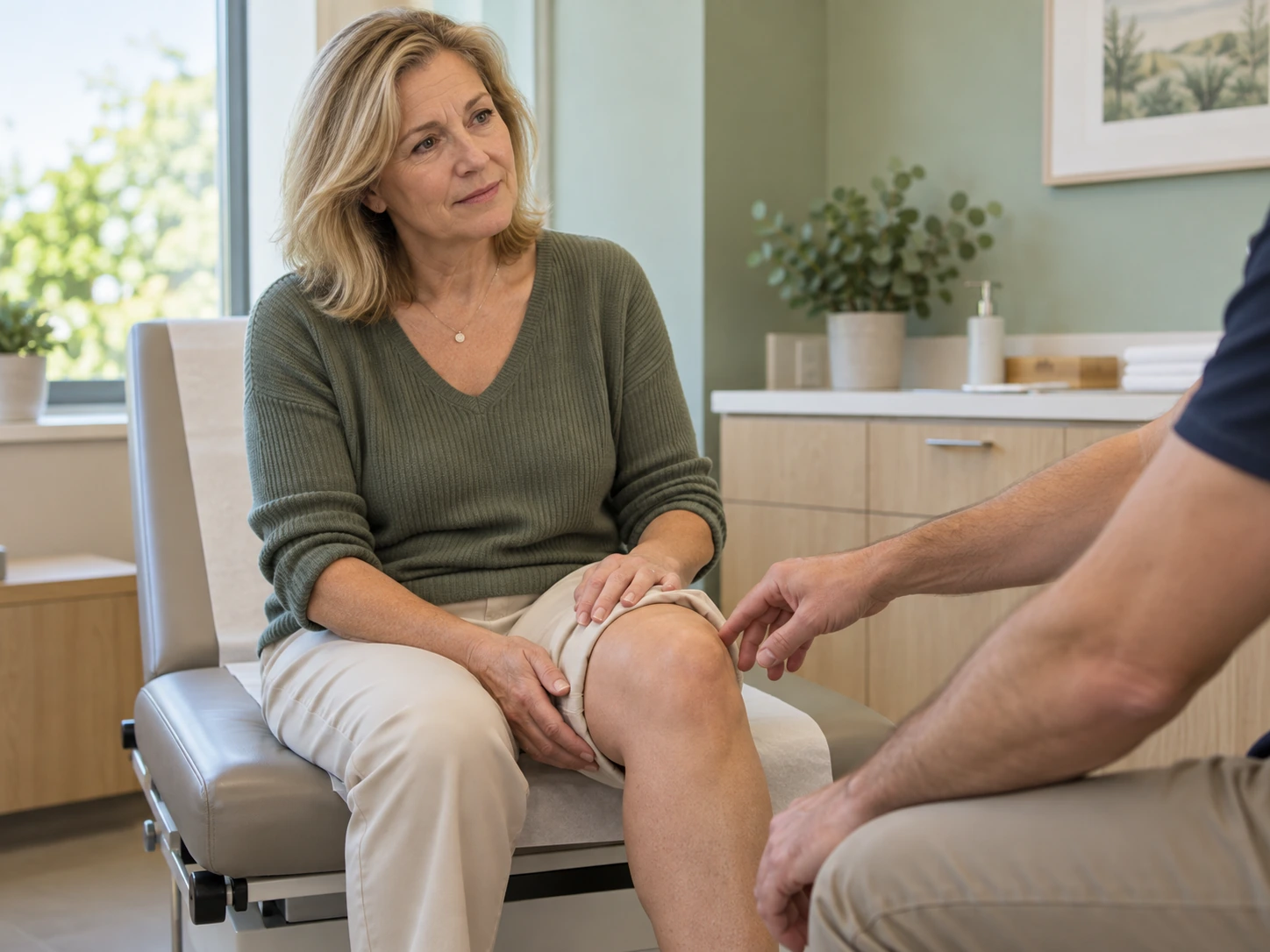
The diagnosis is based on the context of onset, symptoms, and clinical examination. Imaging is chosen according to the findings and does not replace evaluation of the knee.
01 — Understanding the context
The doctor specifies whether the swelling occurred after an injury, how quickly it appeared, and whether it is accompanied by other symptoms.
02 — Examine the knee
The clinical examination assesses swelling, mobility, pain, and stability. It helps to identify ligament, meniscal, or bone damage.
03 — Choosing the right exams
An X-ray may be indicated after trauma to look for a fracture. An ultrasound or MRI may be recommended if the examination suggests a soft tissue injury or if the cause remains uncertain.
Swelling is a sign: treatment depends on the identified cause.
RELIEVING EFFUSION WITHOUT SURGERY
Management depends on the origin and extent of the effusion, as well as any associated injuries. In many cases, temporary knee protection and treatment tailored to the underlying cause are the first steps.
The goal is to reduce pain and discomfort, protect the knee during evaluation, and gradually restore functional mobility. Treatment is adjusted according to progress.
Adapting support and activities
Temporarily reduce activities that significantly increase pain or swelling. If weight-bearing is difficult, the doctor may recommend crutches to protect the knee.
Alleviate the symptoms
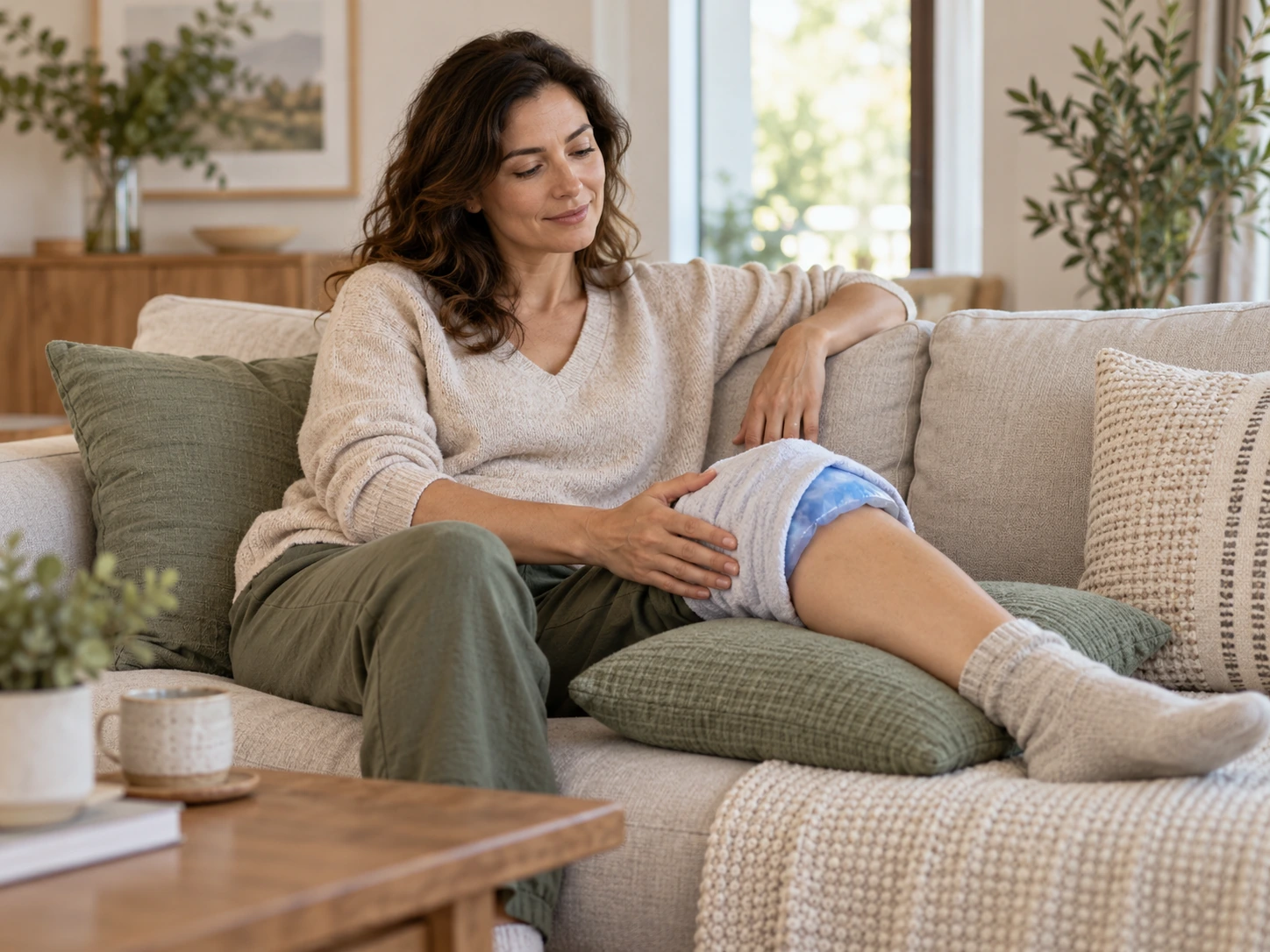
Relative rest, leg elevation, and the application of cold compresses wrapped in a cloth can help relieve discomfort. Pain medication can be discussed, taking into account each patient's medical situation.
Treat the cause
Treatment depends on the injury or condition causing the effusion. Physiotherapy and the resumption of movement are introduced at the appropriate time, according to the examination and medical instructions.
Drain joint fluid if necessary
A doctor may consider aspiration in certain situations, particularly to analyze the fluid or relieve a severely tense joint. It is not always necessary and does not replace investigating the underlying cause.
Treatment is tailored to the cause of the swelling and the knee's tolerance.
WHY IS SURGERY RARE?
Effusion or hemarthrosis alone does not warrant surgery. The priority is to identify and treat the cause of the swelling, often through non-surgical measures.
A surgical consultation may be considered if the assessment reveals a lesion that warrants it, or if symptoms persist despite appropriate treatment. The decision takes into account the examination, any additional tests, and the functional impairment.
Continue conservative treatment
When the swelling decreases and no lesions require intervention, monitoring can continue with adaptation of activities and gradual resumption of movements.
Reassess if swelling persists
A recurrent, persistent, or significantly uncomfortable effusion should prompt a re-examination of the knee to determine if an underlying cause needs to be addressed.
Discussing intervention for an identified injury
In rare situations, an associated injury may require surgical consultation. The indication depends on the nature of the injury and the patient's profile.
RESUME THE MOVEMENT GRADUALLY
After an injury, resuming weight-bearing and movement depends on the suspected injury and the instructions received. Do not put any strain on a very swollen or painful knee before it has been assessed.
When permitted and well-tolerated, gentle knee movements and short walks can help maintain mobility. Physical therapy can support recovery if indicated.
Mild discomfort may require adjusting your activity level. If the pain increases significantly, if the knee swells further, or if bearing weight becomes difficult, reduce your activity and seek medical advice.
Recovery is a gradual process, taking into account the cause of the effusion and the evolution of symptoms. Sports activities can only resume depending on the injury and medical recommendations.
The return to activity must follow the progress of the knee and the instructions given.

A CARE APPROACH TAILORED TO EACH PATIENT
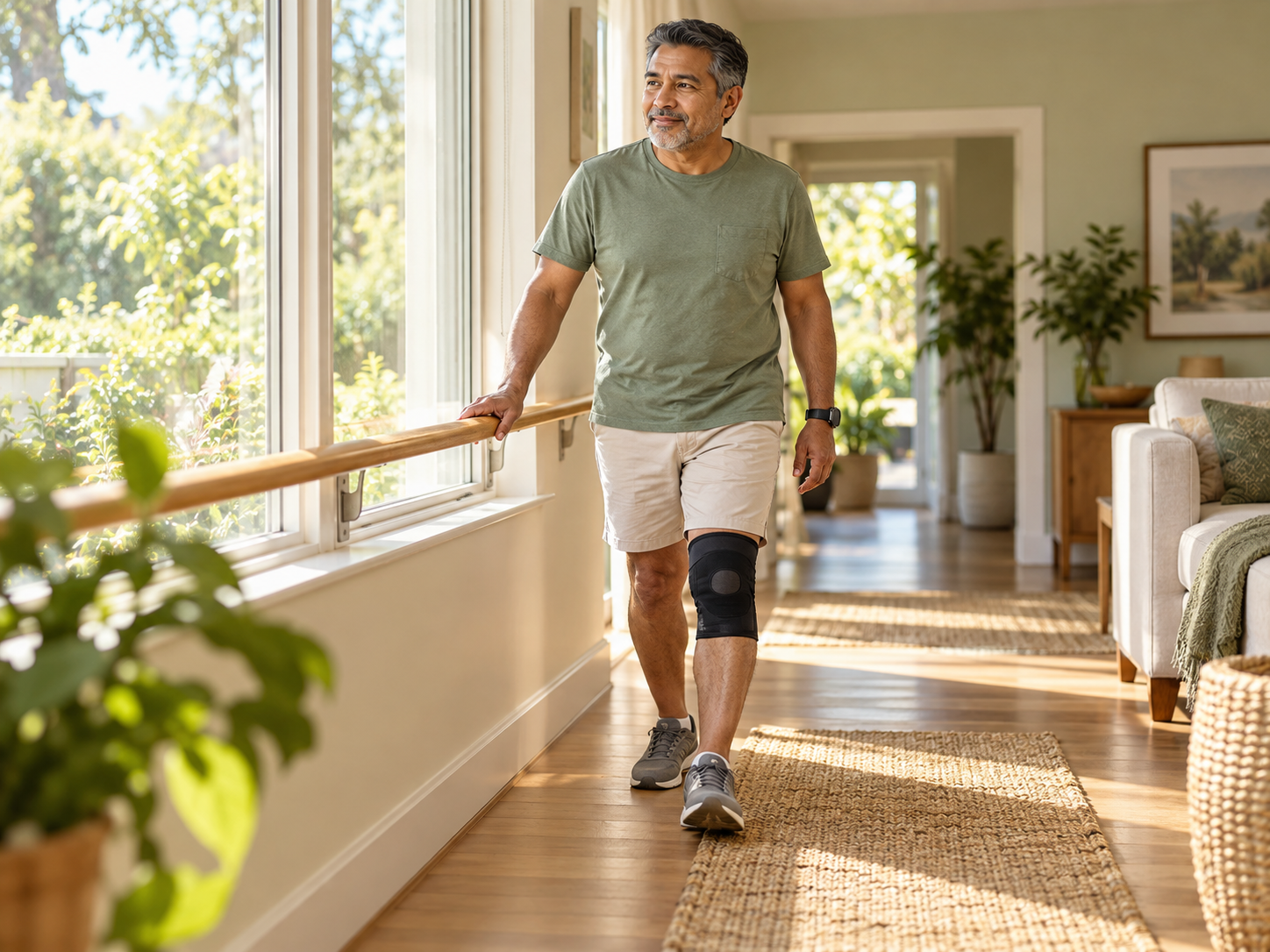
An effusion does not have the same meaning for all patients. The strategy depends on the cause, the symptoms, and their impact on walking, work, and daily activities.
Dr. Benoît Coulin takes into account the context of onset, the duration of the swelling, the clinical examination, any associated injuries, and the results of relevant tests. The patient's age, activities, and goals also contribute to guiding treatment decisions.
Conservative treatment is preferred when appropriate. If an injury warrants discussion of intervention, the options are explained to the patient based on their individual profile and the progress of their knee.
«"Treatment is determined based on the cause of the swelling and each patient's individual situation."»
FREQUENTLY ASKED QUESTIONS
IS YOUR KNEE SWOLLEN AFTER A TRAUMA?
A clinical examination, combined if necessary with appropriate imaging, helps to determine the origin of the symptoms and to propose a personalized treatment plan.
