
Why is knee rehabilitation so important?
The knee is one of the most used joints in the body. It is involved in almost all daily movements: walking, climbing stairs, running, squatting or simply getting up from a chair.
After an injury, surgery, or even a prolonged period of inactivity, it is common to experience a loss of mobility, decreased muscle strength, and sometimes a feeling of instability. It is precisely in this context that knee rehabilitation plays a fundamental role.
The goal is not just to eliminate the pain. Proper knee rehabilitation also helps restore normal joint function, reduces the risk of recurrence, and allows you to resume your activities in the best possible conditions.
In what situations is knee rehabilitation necessary?
Knee rehabilitation is involved in many medical or surgical situations.
It is often prescribed after:
- a anterior cruciate ligament rupture (LCA); ;
- meniscal surgery; ;
- a fracture around the knee ;
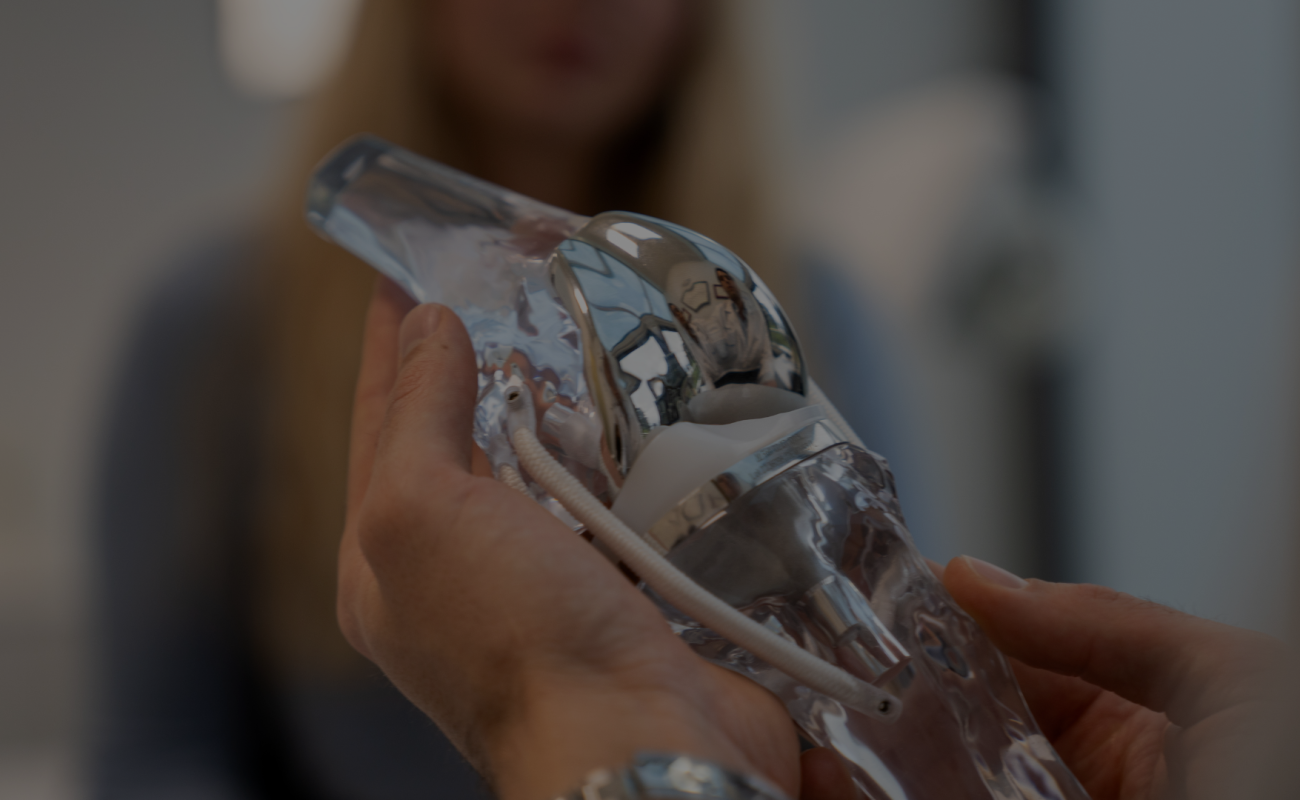
- a total prosthesis Or partial of the knee; ;
- a dislocation of the kneecap; ;
- a knee sprain ;
- certain chronic pains related to’osteoarthritis.
Even when the injury seems minor, rehabilitation helps restore the joint's functional capabilities and prevent compensations that could lead to other problems.
What are the goals of knee rehabilitation?
Each program is tailored to the patient and their condition, but several objectives are common to most situations.
Knee rehabilitation aims to:
- to reduce pain; ;
- reduce inflammation; ;
- regain joint range of motion; ;
- strengthen the muscles; ;
- improve stability; ;
- to resume a normal gait; ;
- gradually resume sporting or professional activities.
These different steps are essential for achieving a complete and lasting recovery.
The first step: regaining mobility
After an injury or surgery, the knee tends to become stiff. This loss of mobility can quickly complicate everyday tasks.
One of the primary goals of knee rehabilitation is therefore to gradually regain:
- full extension of the knee; ;
- bending; ;
- comfortable mobility in everyday activities.
The exercises are performed gradually to avoid excessive pain while stimulating recovery.
The sooner this phase is addressed, the greater the chances of regaining optimal mobility.
Muscle strengthening: an essential step
After a few weeks of immobilization or reduced activity, muscles rapidly lose strength.
The quadriceps is particularly affected. However, this muscle plays a major role in the stability and proper functioning of the knee.
Knee rehabilitation gradually incorporates exercises designed to strengthen:
- the quadriceps; ;
- the hamstrings; ;
- the calf muscles; ;
- the hip muscles.
Good muscle balance helps to better protect the joint and reduce stress on the cartilage, menisci and ligaments.
Regaining stability and balance
After a ligament injury or surgery, many patients describe a loss of confidence in their knee.
They sometimes feel that it might "break" during certain movements.
Knee rehabilitation then includes specific exercises called proprioception. This allows the body to relearn how to precisely control the position of the joint.
The exercises may include:
- working on one leg; ;
- balancing platforms; ;
- controlled changes of direction; ;
- coordination exercises.
This step is particularly important after a rupture of the anterior cruciate ligament or a significant sprain.
Learning to walk normally
After surgery or a major injury, walking is often altered.
Some patients limp to avoid pain, while others unconsciously limit certain movements.
Knee rehabilitation aims to restore a smooth and natural gait. This involves:
- a recovery of mobility; ;
- appropriate muscle strengthening; ;
- work on support and balance.
Regaining a normal gait is often a key step before resuming more demanding activities.
When can we resume playing sports?
Returning to sports is a common question during knee rehabilitation.
The answer depends on several factors:
- the initial injury; ;
- the type of intervention carried out; ;
- the sporting level; ;
- the quality of the recovery.
The return to activity should always be gradual. Even if the pain has disappeared, the knee is not necessarily ready to immediately withstand the stresses of intense sport.
In most cases, several steps are followed:
- resumption of normal walking; ;
- strengthening exercises; ;
- resuming cycling or swimming; ;
- running; ;
- changes of direction; ;
- back to full sport.
This progression helps to limit the risk of recurrence.
Mistakes to avoid during rehabilitation
Certain errors can slow down recovery.
The most frequent ones are:
- wanting to go too fast; ;
- stop the exercises as soon as the pain decreases; ;
- compare one's recovery to that of another person; ;
- neglecting muscle strengthening; ;
- resume sports activities before medical clearance.
Patience and consistency remain the best allies for a successful recovery.
How long does knee rehabilitation take?
The duration of knee rehabilitation varies depending on the situation.
For your information:
- after a simple sprain: a few weeks; ;
- after meniscal surgery: several weeks; ;
- after ACL reconstruction: several months; ;
- After a knee replacement: several months as well.
Each patient progresses at their own pace. The important thing is to achieve a full recovery rather than trying to accelerate each step.
What are the long-term benefits?
Proper knee rehabilitation not only allows recovery after an injury, but also helps to protect the joint in the long term.
Long-term benefits include:
- improved stability; ;
- a reduction in the risk of recurrence; ;
- an improvement in physical performance; ;
- a reduction in chronic pain; ;
- greater confidence in everyday movements.
These results are particularly important for athletes but also for people who simply wish to maintain their independence.
Conclusion
Knee rehabilitation is an essential step in regaining a mobile, stable, and functional joint after an injury or surgery. It's not just about strengthening muscles; it also helps recover the mobility, balance, coordination, and confidence needed to resume an active life.
Every recovery is different, but one thing remains constant: the regularity of the work performed plays a major role in the results obtained. Appropriate and progressive care helps to limit complications, reduce persistent pain, and optimize the return to daily or sporting activities.
Whatever the origin of the problem, a well-conducted knee rehabilitation is one of the best ways to regain lasting mobility, strength and confidence.