KNEE OSTEOARTHRITIS
Knee osteoarthritis, also called gonarthrosis, is a progressive change in the joint. It can cause pain, stiffness, or decreased mobility, but it does not always lead to surgery.
The goal of care is first to understand the origin of the symptoms, then to choose solutions to preserve movement and autonomy.
UNDERSTANDING KNEE OSTEOARTHRITIS
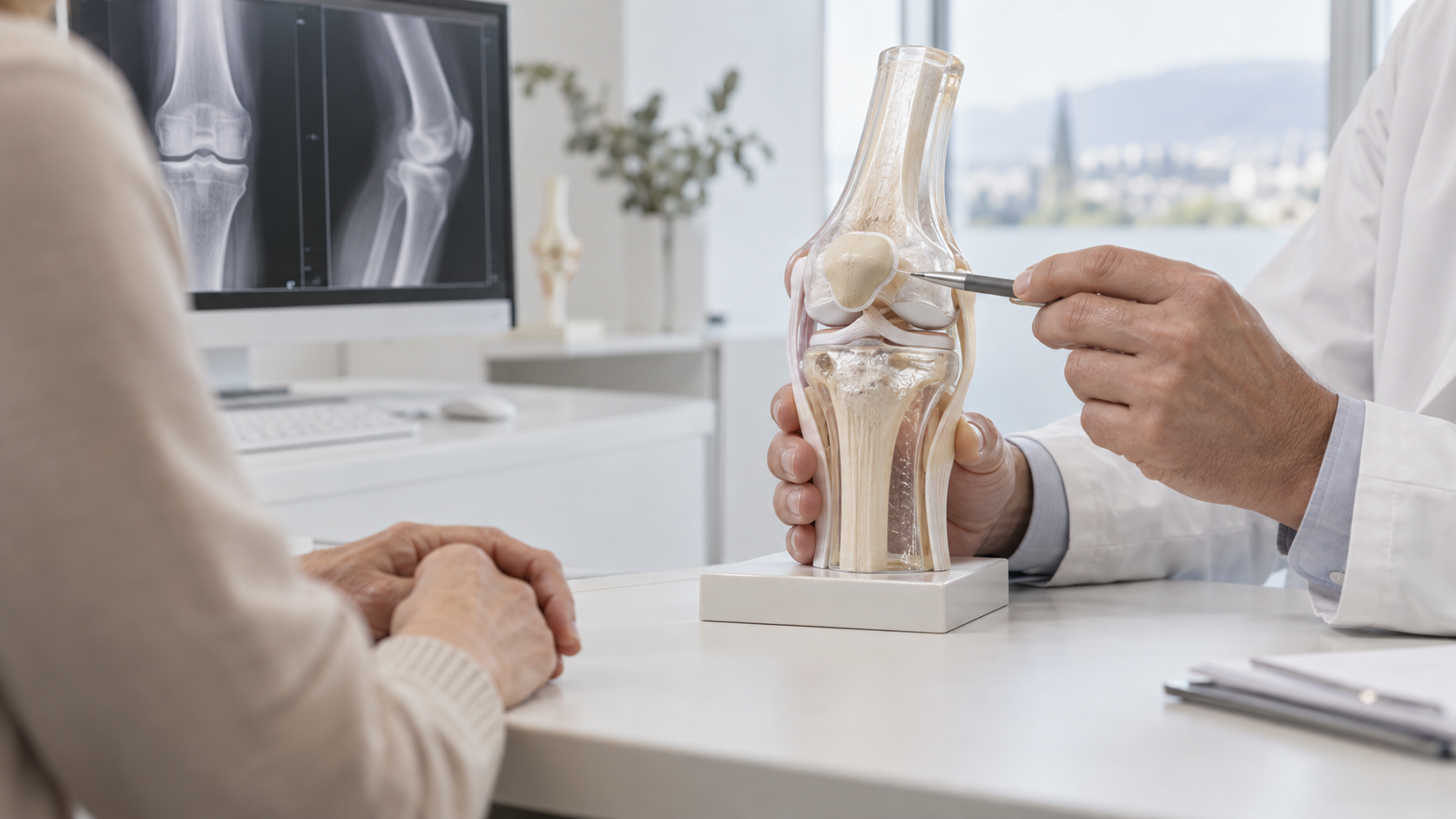
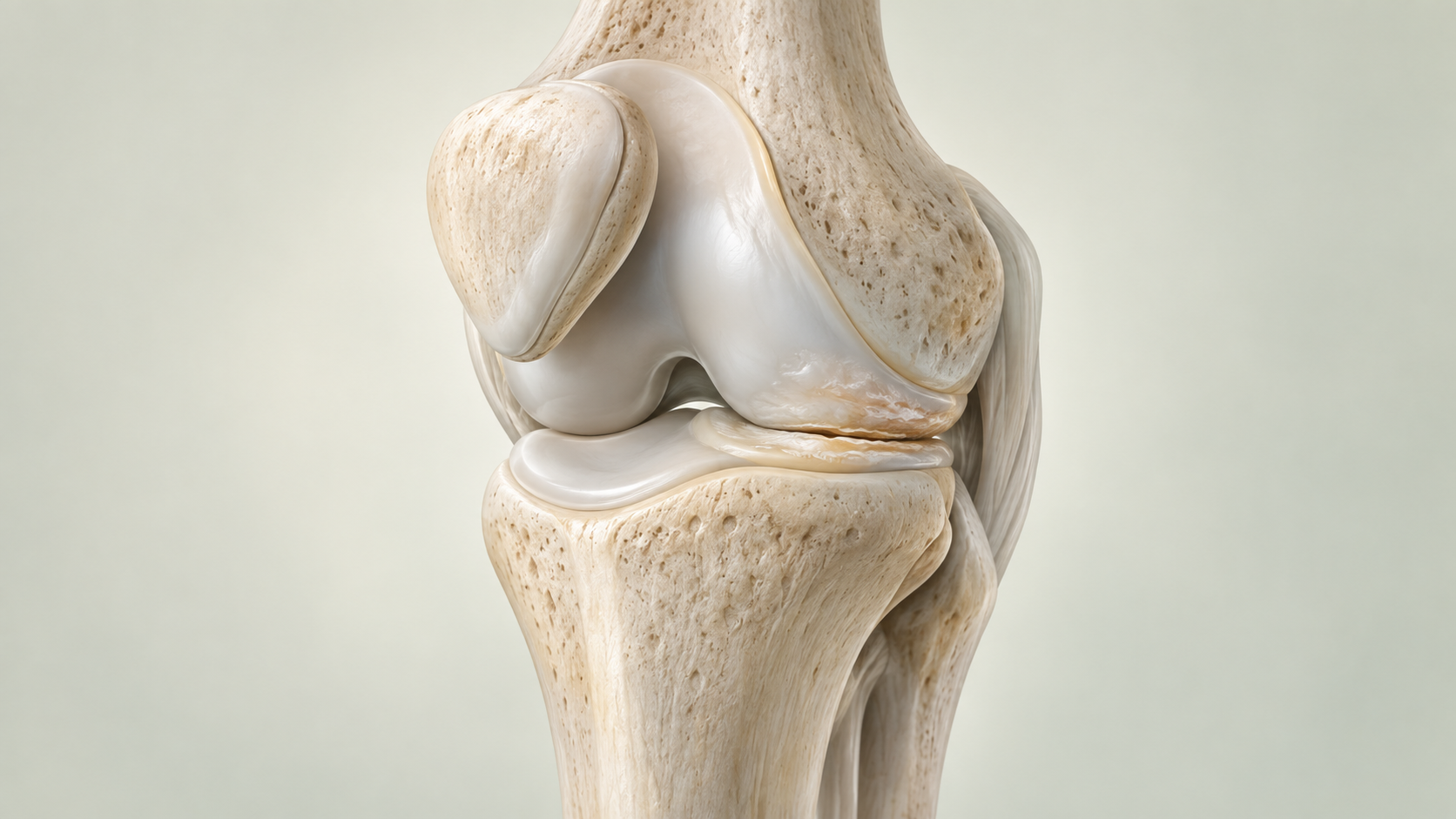
THE INTERNAL COMPARTMENT
This is the area located on the inner side of the knee and is the most frequently affected by osteoarthritis. Its wear and tear can cause internal pain and gradually lead to leg deformity.
THE EXTERNAL COMPARTMENT
Located on the outer side of the knee, this compartment is less frequently affected. Its wear and tear can cause lateral pain and gradually alter the leg's alignment.
THE BALL JOINT
This joint is located between the kneecap and the femur. When it is affected, pain often appears when climbing stairs, squatting, or after sitting for a long time.
UNDERSTANDING KNEE OSTEOARTHRITIS

RECOGNIZING THE SYMPTOMS
The symptoms of’knee osteoarthritis They usually appear gradually. At first, the pain occurs mainly during or after exertion. It can then become more frequent and limit certain everyday movements.
- Pain during exertion The pain appears mainly during walking, on stairs, when getting up from a chair, or after prolonged activity.
- Stiffness The knee may seem less mobile after a period of rest or upon waking. A few movements are then necessary to regain more flexibility.
- Swelling Swelling may appear after exertion or during an inflammatory phase, sometimes with a feeling of tension in the joint.
- Loss of mobility It may become more difficult to fully bend or straighten the knee, to squat, or to walk for long periods.
These symptoms are not specific to osteoarthritis. A meniscal tear, a patellar problem, or another condition can cause similar signs. An accurate diagnosis will identify their true cause.
RECOGNIZING THE SYMPTOMS
The symptoms of’knee osteoarthritis They usually appear gradually. At first, the pain occurs mainly during or after exertion. It can then become more frequent and limit certain everyday movements.
- Pain during exertion The pain appears mainly during walking, on stairs, when getting up from a chair, or after prolonged activity.
- Stiffness The knee may seem less mobile after a period of rest or upon waking. A few movements are then necessary to regain more flexibility.
- Swelling Swelling may appear after exertion or during an inflammatory phase, sometimes with a feeling of tension in the joint.
- Loss of mobility It may become more difficult to fully bend or straighten the knee, to squat, or to walk for long periods.
These symptoms are not specific to osteoarthritis. A meniscal tear, a patellar problem, or another condition can cause similar signs. An accurate diagnosis will identify their true cause.
WHY DOES OSTEOARTHRITIS APPEAR?
Knee osteoarthritis is not solely related to age. Several factors can weaken the joint, increase the stress on the cartilage, or promote premature wear.
OLD TRAUMAS
A fracture, ligament rupture, or meniscal tear can alter the function of the knee and promote osteoarthritis several years later.
LEG AXIS
A leg deviation can concentrate stress on a specific part of the knee and accelerate wear and tear on that compartment.
JOINT OVERLOAD
Being overweight, certain professional activities or repeated stresses increase the strain on the joint.
MUSCLE WEAKNESS AND INACTIVITY
Insufficiently strengthened muscles are less effective at protecting the knee. Appropriate physical activity, on the other hand, helps maintain its stability and mobility.
MAKE THE RIGHT DIAGNOSIS
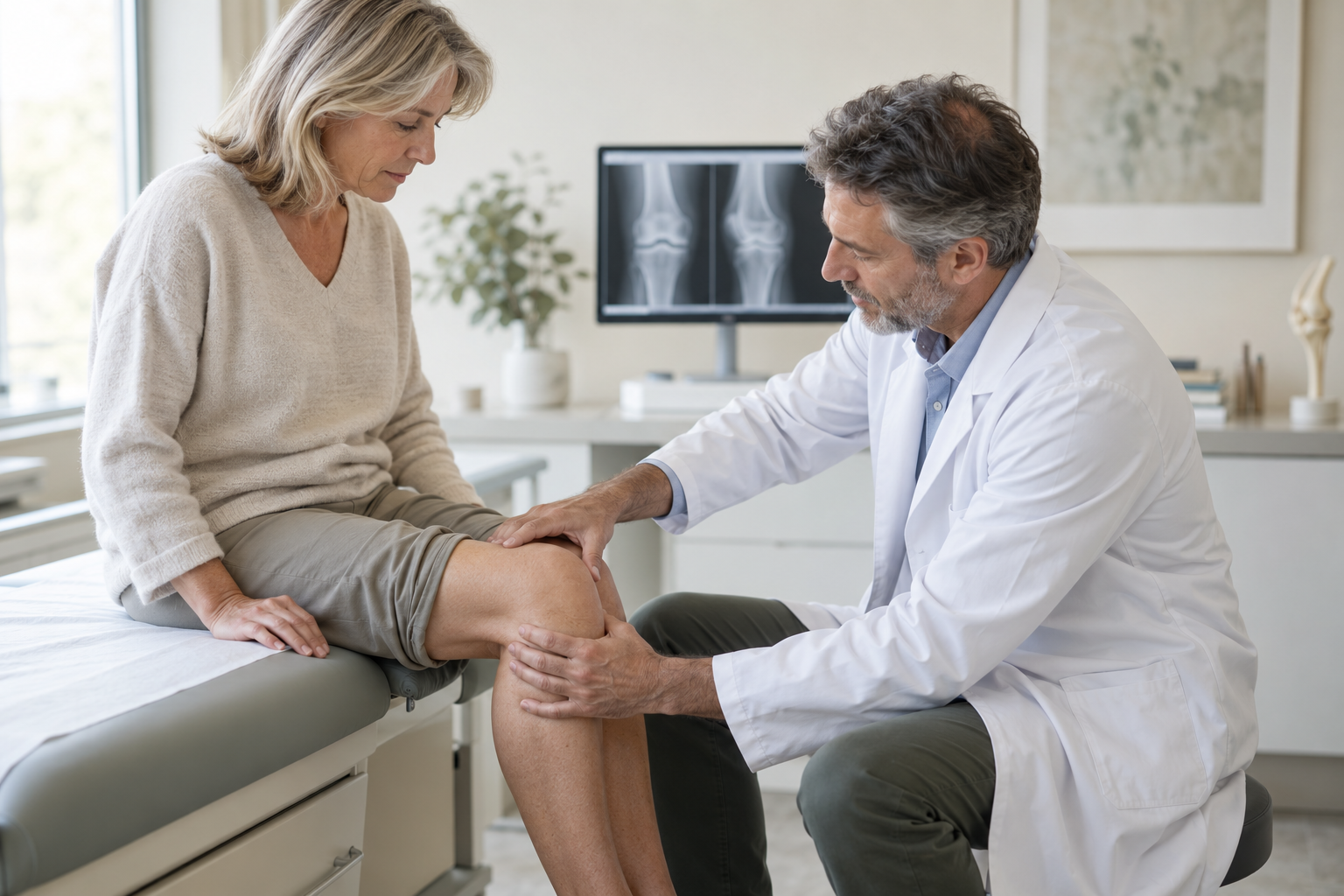
Diagnosing knee osteoarthritis is not based solely on an X-ray. It also takes into account the location of the pain, knee mobility, activities that have become difficult, and the patient's expectations.
01 — THE CLINICAL EXAMINATION
Gait, leg alignment, mobility, stability, and areas of pain are analyzed. This examination also helps to identify other possible causes of pain.
02 — X-RAYS IN CHARGE
Performed when the patient is standing, they allow observation of the joint space, the axis of the lower limb and any possible bone changes.
03 — ADDITIONAL EXAMINATIONS
MRI is not always necessary. It may be indicated when X-rays do not explain the symptoms or when damage to the meniscus, ligaments, bone or cartilage needs to be clarified.
A single image of wear and tear is not sufficient to determine treatment. The discomfort experienced and its impact on daily life remain essential.
RELIEVING OSTEOARTHRITIS WITHOUT SURGERY
The management of’knee osteoarthritis is generally progressive. As long as pain and mobility can be improved without intervention, conservative treatments are preferred.
The goal is to relieve symptoms, preserve muscle strength, and allow the patient to remain active for as long as possible.
PHYSICAL ACTIVITY AND PHYSIOTHERAPY
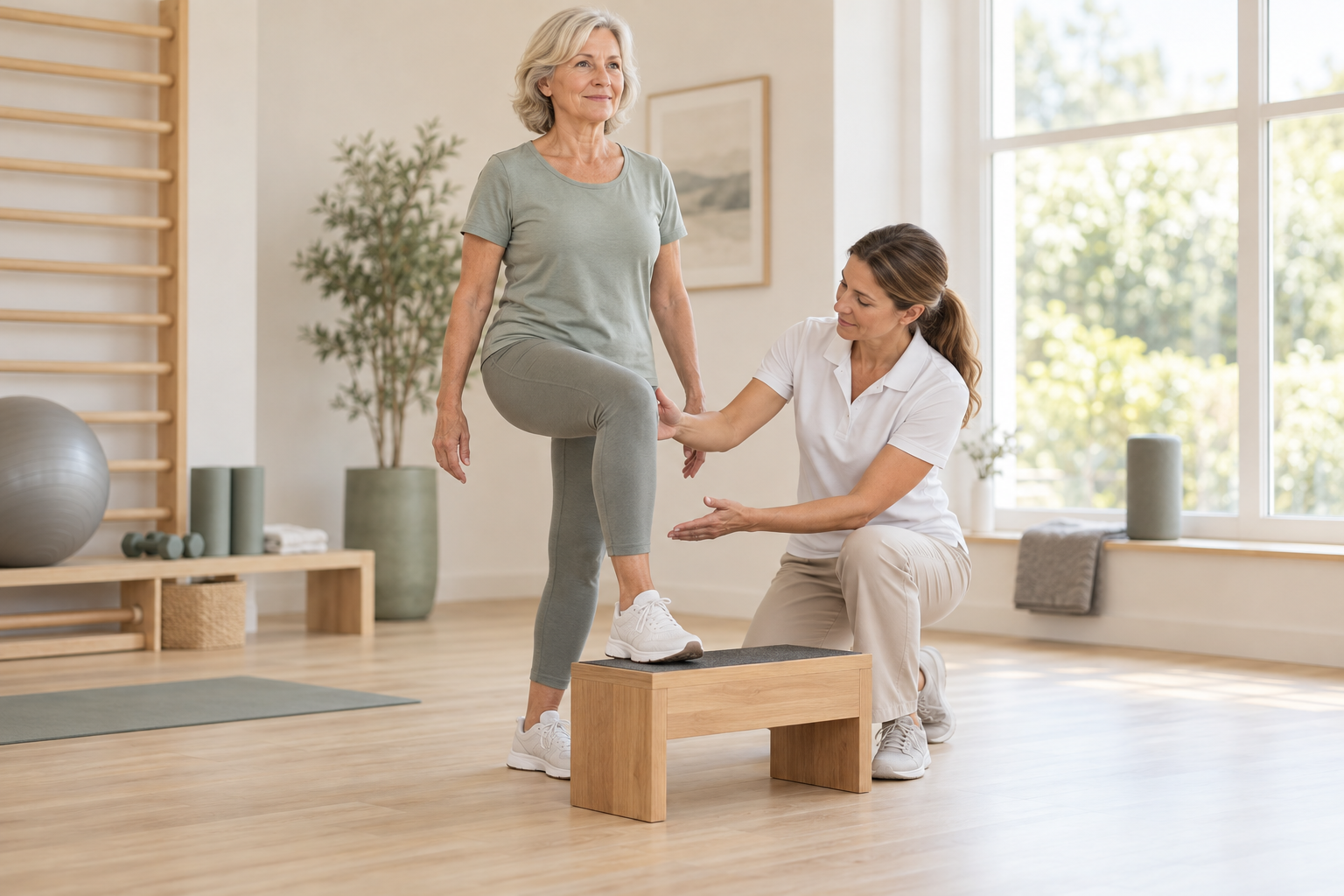
Appropriate movement is part of the treatment. Physiotherapy helps strengthen the thigh and hip muscles, maintain mobility, and improve knee stability.
Cycling, adapted walking, swimming or certain strengthening exercises may be offered depending on the patient's abilities.
ADAPTATION OF DAILY LIFE
Alternating between activity and recovery, adapting certain movements and wearing appropriate footwear can reduce the stress on the knee.
When excess weight is present, weight loss can also improve symptoms. Prolonged complete rest is rarely advised, as it promotes muscle loss and stiffness.
DRUG TREATMENTS
Pain relievers or anti-inflammatory treatments may be used during certain painful periods, depending on medical history and any contraindications.
They help control symptoms, but do not replace appropriate activity, muscle strengthening, and addressing mechanical factors.
KNEE INFILTRATIONS
Depending on the stage of osteoarthritis and the patient's profile, different infiltrations can be discussed: hyaluronic acid, PRP, Arthrosamid® or certain orthobiological approaches.
These treatments do not all have the same mechanism or the same indications. Their choice depends on the condition of the joint, the treatments already tried, and the patient's objectives.
Preserving the natural joint remains a priority as long as conservative treatments allow for maintaining a satisfactory quality of life.
WHEN TO CONSIDER SURGERY?
The presence of visible wear on X-ray is not sufficient to warrant intervention. Surgery may be considered when pain remains significant despite appropriate treatment and when it persistently limits walking, sleeping, work, or daily activities.
The choice of intervention depends on the location of the’knee osteoarthritis, its extent, the axis of the leg, the patient's age and activity level.
PRESERVE: OSTEOTOMY
Osteotomy corrects the leg's alignment, shifting stress to a better-preserved part of the knee. It may be recommended for certain active patients with localized wear and tear and a misalignment. Its goal is to preserve the natural joint and delay the need for a prosthesis.
PARTIAL REPLACEMENT: THE UNICOMPARTIMENTAL PROSTHESIS
When wear and tear is limited to one part of the knee and the other structures are sufficiently preserved, a partial knee replacement can replace only the damaged compartment. This procedure allows for the preservation of a large portion of the natural knee. It is based on specific criteria and is not suitable for all forms of osteoarthritis.
REPLACE: THE TOTAL DETERGENT
When multiple compartments are affected, the pain becomes debilitating, and conservative treatments are no longer sufficient, a total knee replacement may be considered. This procedure replaces the damaged joint surfaces to reduce pain and improve knee function.
KEEP MOVING WITH KNEE OSTEOARTHRITIS
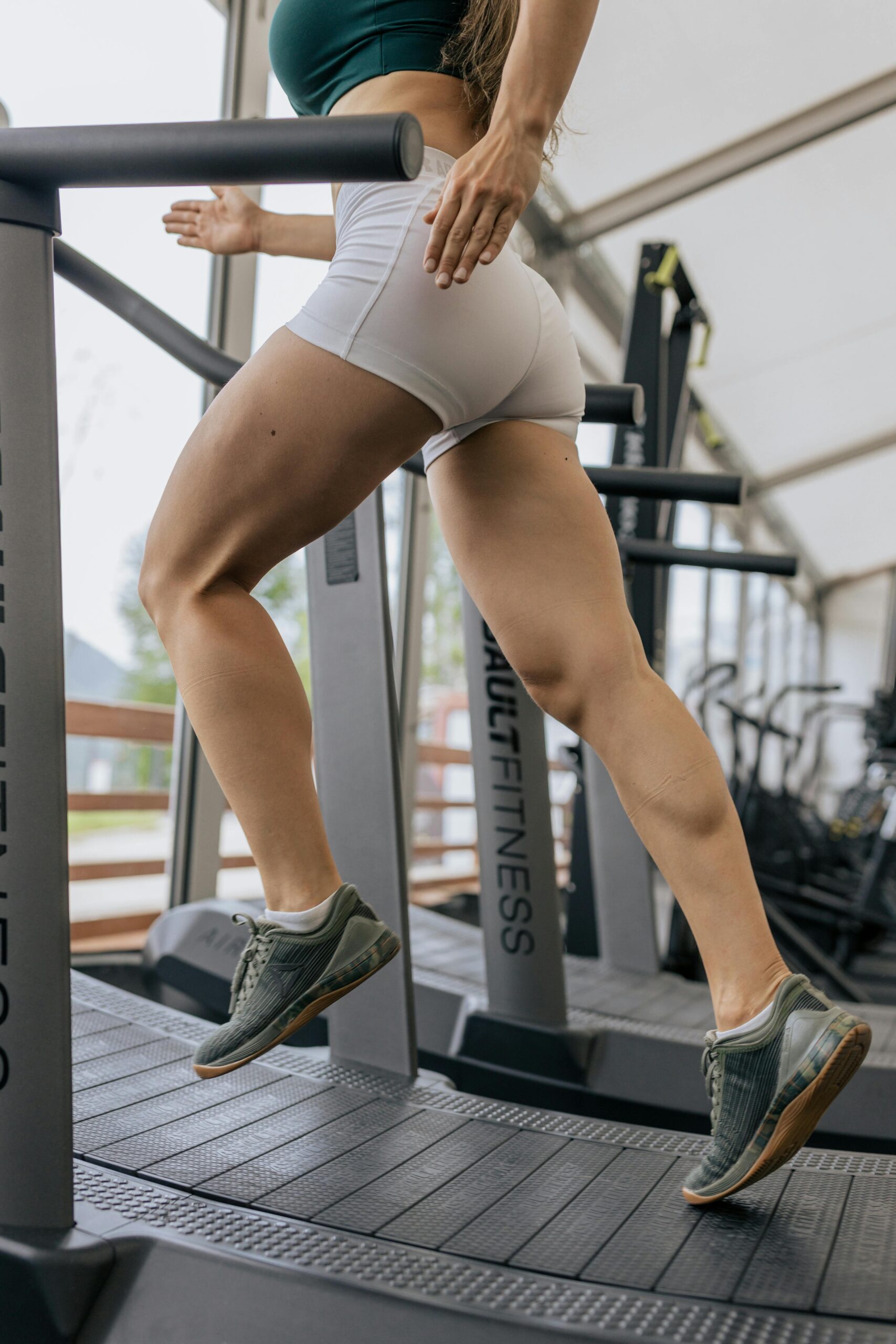
In most cases, it is possible and recommended to maintain physical activity despite a knee osteoarthritis. Movement helps to preserve mobility, muscle strength, balance, and confidence in the joint.
However, the activity must be adapted to the patient's abilities and the knee's response. Cycling, swimming, walking on level ground, and muscle strengthening are often better tolerated than activities involving repeated impact.
Mild, temporary discomfort after exercise does not necessarily mean that the joint is worsening. However, significantly more intense pain, swelling, or a lasting decrease in mobility should prompt an adjustment in the intensity or duration of the activity.
Prolonged complete rest is rarely beneficial, as it promotes muscle loss and stiffness. The goal is to find the right balance between movement, adaptation, and recovery.
Moving does not mean ignoring the pain, but finding an activity compatible with the capabilities of your knee.
→ Discover the activities recommended for people with osteoarthritis
FREQUENTLY ASKED QUESTIONS
A CARE APPROACH TAILORED TO EACH PATIENT
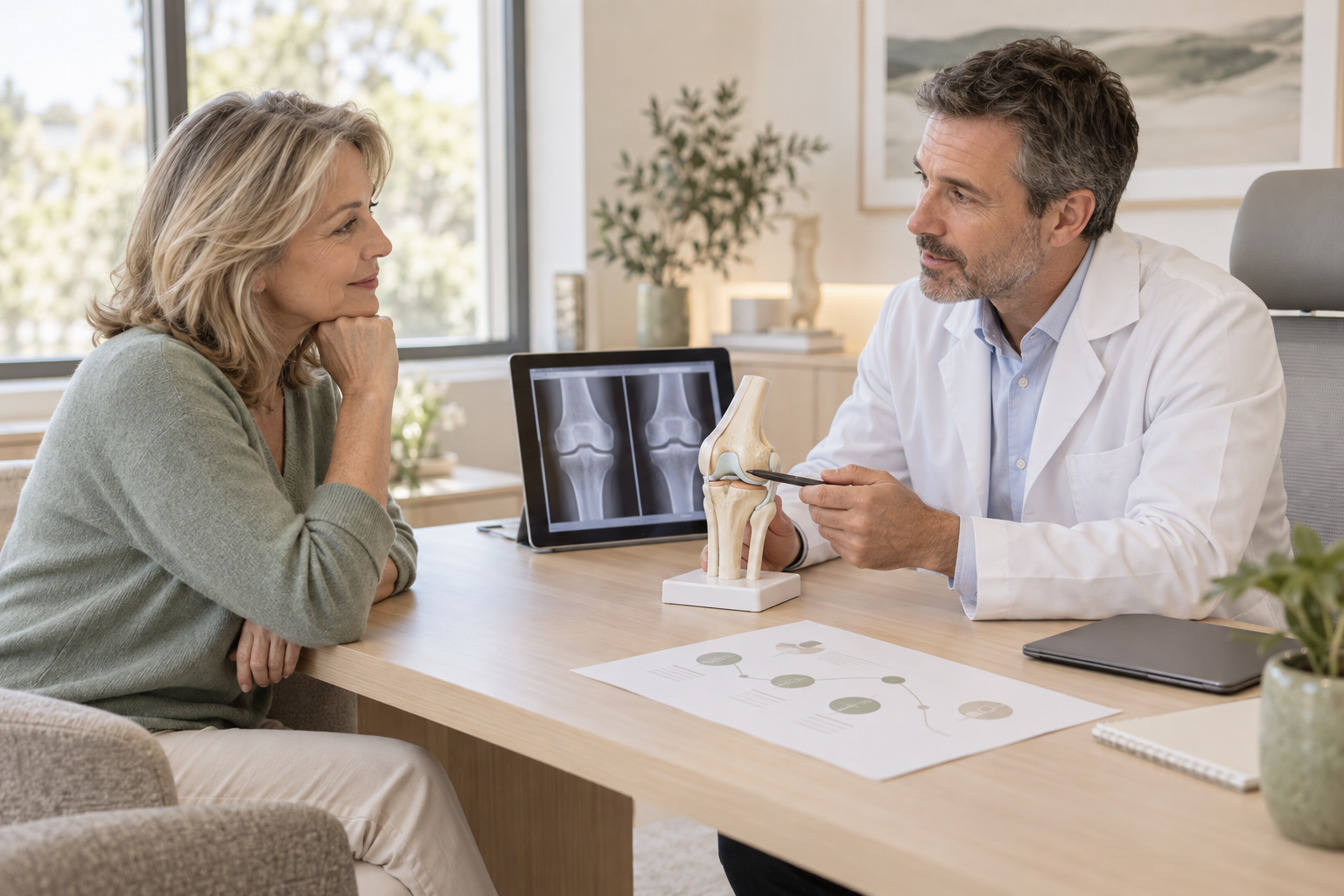
There is no single treatment for’knee osteoarthritis. Two patients with similar X-rays may experience different pain and have very different needs, activities, or goals.
Dr. Benoît Coulin favors a gradual approach based on a precise diagnosis. When possible, the goal is to preserve the natural joint through adapted activity, physiotherapy, injections, or conservative surgery.
A prosthesis is considered when wear and tear and symptoms make it truly necessary, after evaluating solutions to preserve the knee.
Each treatment plan is tailored to the patient's age, lifestyle, professional activity, and goals.
«"Preserve natural movement and articulation for as long as possible, then intervene when it becomes truly necessary."»
DO YOU WANT TO BETTER UNDERSTAND YOUR PAIN?
A clinical examination combined with appropriate imaging helps to determine the origin of symptoms and identify the most suitable treatments.