
Physical activity and resumption of sport
Physical activity and resuming sports allow you to stay active or get back into a sport after a period of inactivity, injury, or surgery. Resuming activity should take into account what the body is capable of at that time.
The approach depends on the medical situation, the evolution of symptoms, the starting level, and personal goals. Daily activity, training, and returning to sport do not all place the same demands on the body.
UNDERSTANDING ANTERIOR CRUCIATE LIGAMENT SURGERY

When are physical activity and resuming sports beneficial?
Exercise can still be possible with certain pains or conditions, provided the activity is adapted to the situation. A return to activity can also be considered after a period of rest, injury, or surgery, depending on the progress and medical advice.
- Maintaining activity despite a medical condition : When symptoms allow, appropriate activity can help maintain a regular practice.
- Resuming after a period of break : A return to activity can be discussed after a decrease in activity due to pain, illness, or a prolonged interruption.
- Return after an injury or surgery : The return to activities must take into account the injury, the treatment received and the instructions of the professional who is treating you.
- Preparing for a sporting goal : A project involving running, hiking or resuming a sport may require an assessment tailored to the requirements of that activity.
The decision depends on your clinical situation and the planned activity.
TAKE STOCK BEFORE THE RESUMPTION
Current symptoms
Pain, swelling, apprehension, and reaction after exertion are taken into account to better understand your current tolerance.
Physical abilities
Mobility, strength, endurance, balance, and movement control help to define the abilities to be mobilized for your activity.
Activity requirements
Frequency, surface area, impacts, contacts and changes of direction vary depending on the sport and influence the constraints to be considered.
Objectives and availability
The target level, sporting experience, schedule and available time help to define a realistic return-to-play objective.

Build a suitable progression
The resumption plan takes into account current capacities and the requirements of the chosen activity. The objective is to determine how to manage the workload without relying solely on a planned return date.
Define the priorities
Priorities are established based on the recovery capabilities and the main demands of the sport. A return to running and a return to a sport involving pivoting movements do not require the same preparation.
Adjust the load
Frequency, duration, intensity, and recovery are considered together. An increase in workload can be adjusted if symptoms worsen or if recovery is insufficient.
Plan the progression
The steps and criteria for progress are defined taking into account the targeted activity. The quality of movement and tolerance to effort are as important as the time elapsed.
Reassess and adjust
The progression is reviewed as abilities evolve. Some steps may be extended, adapted, or resumed after a period of reduced activity.
The progression can be adapted over time according to tolerance to effort and the evolution of symptoms.
The components of the program
Depending on the sport and the situation, the return to training may include different types of work. Their content is adapted to the activity in question; it is not a one-size-fits-all program.
Endurance and general condition
The goal is to regain the ability to sustain exertion. Brisk walking, cycling, or other endurance activities can be considered depending on tolerance and instructions received.
Strength and power
Strength helps to meet the demands of the activity. Depending on the level of recovery, work can evolve from controlled efforts to more dynamic actions, if they are adapted.
Running, jumping and changing direction
These constraints only apply to certain sports. They can be introduced when the situation allows, taking into account running, landings and lateral movements.
Specific gestures and return to the field
Technical skills, accelerations, and movements specific to the sport can be reintroduced before a full training session. The content varies depending on the discipline and the player's position, if applicable.
Progress step by step
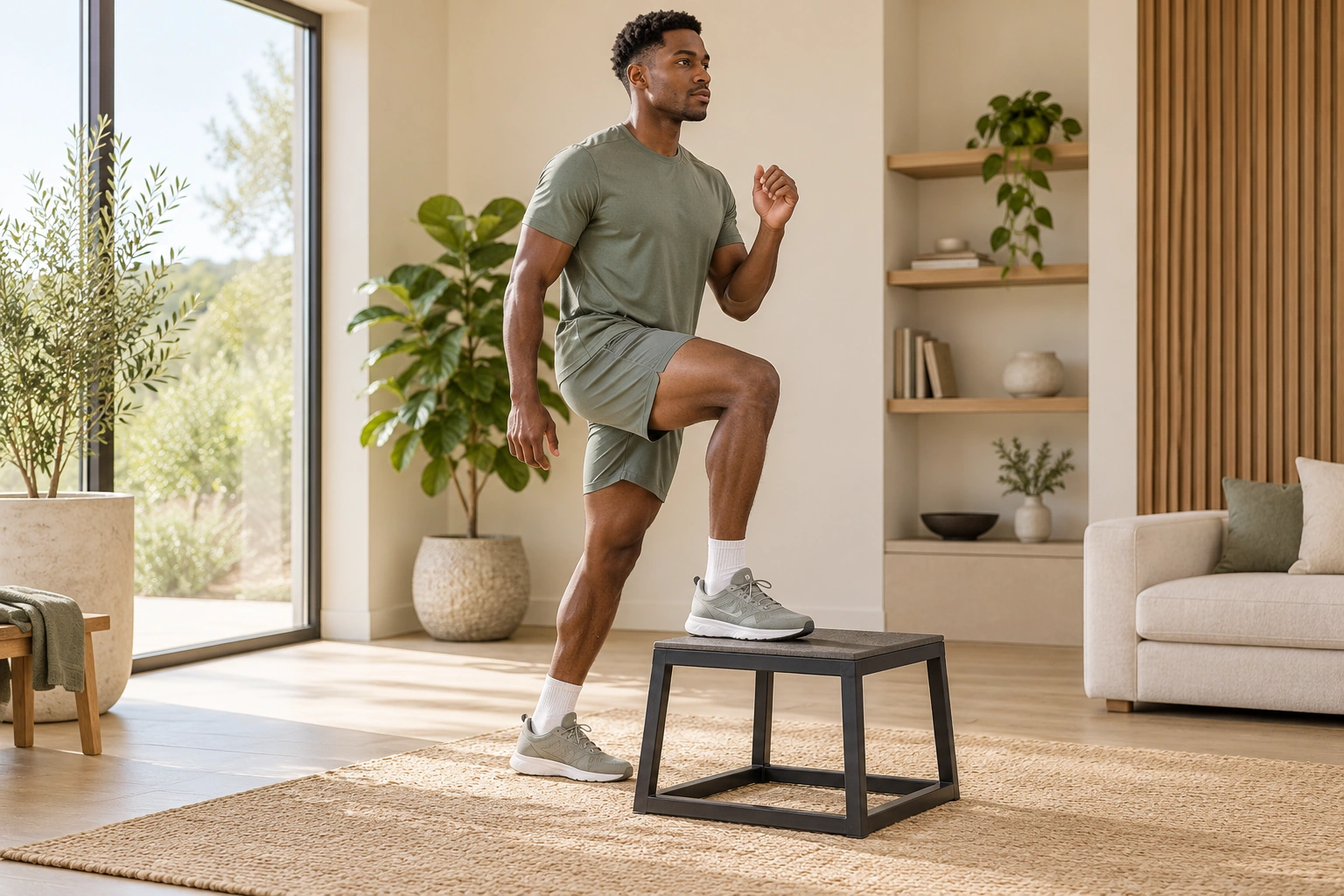
Resuming a simple and regular activity
The first step is to find an activity that matches your current abilities. This allows you to observe how your body responds to everyday exertion.
Gradually increase the constraints
The duration, intensity, or complexity can then be gradually increased. Volume and recovery are taken into account to avoid overly rapid increases.
Getting closer to the sporting objective
Specific movements can be reintroduced before full training. Return to competition or the target level depends on functional criteria and, when necessary, professional advice. Timeframes vary depending on the situation.
Find the activities
Returning to regular physical activity means being able to incorporate movement into your week without each session causing a lasting worsening of symptoms. The level and type of activity can vary according to each person's abilities and preferences.
The resumption of individual training corresponds to a return to sessions carried out alone or with individual supervision, without immediately regaining all the constraints of a full practice.
Returning to full group or individual training involves participating in sessions with others and accepting the usual demands. After an injury or surgery, this level of return may require consultation with the healthcare team.
Returning to competition or the targeted level represents a further step: it involves being able to meet the specific requirements of the event or the desired practice.
THE WHO recommendations on physical activity provide general guidelines that can be adapted to each situation.
EXPECTED RESULTS, LIMITATIONS AND RISKS
OBJECTIVES AND EXPECTED RESULTS
Physical activity aims to maintain or regain the ability to move, a level of physical fitness, and a practice that is important to you. Progress and the level achieved vary from person to person.
Boundaries
Progress depends on the underlying condition, any injuries, the patient's general health, regularity of exercise, and tolerance to exertion. Certain situations require specific medical attention before resuming certain activities.
SIDE EFFECTS AND RISKS
Pain that increases persistently, unusual swelling, loss of function, stiffness, or a feeling of instability warrants slowing down and seeking medical advice. Unusual or disproportionate shortness of breath should also prompt stopping the activity and seeking help.
Care tailored to each patient
Two people with the same condition do not necessarily progress at the same pace and do not necessarily aim for the same level of practice.
Functional age, general condition, starting level, professional constraints, usual activities and personal objectives are taken into account when discussing resumption.
The sports program is part of the medical diagnosis and can be coordinated with other treatments when necessary. Dr. Benoît Coulin sees patients in Geneva for consultations to assess knee and hip problems.
«"The recovery plan is tailored to your specific situation and objectives."»
FREQUENTLY ASKED QUESTIONS
Do you want to resume an activity or sport?
A personalized assessment allows us to discuss support that is consistent with your situation, symptoms, and goals.
