
Resuming physical activity despite osteoarthritis: a challenge for many athletes
For many athletes, Arthrosamid® today represents a hope in the face of a common reality: osteoarthritis knee pain can appear much earlier than one might imagine.
Repeated microtrauma, old injuries, intensive training… the joint wears out prematurely, pain sets in, performance decreases and the pleasure of moving gradually gives way to frustration.
For a long time, solutions were limited to forced rest, anti-inflammatories or short-lived injections.
Today, Arthrosamid® offers a new, sustainable approach that is above all compatible with an active sporting lifestyle.
A targeted response to the constraints of the athletic knee
In the practice of any sport, even at an amateur level, the knee bears considerable loads. During running, it absorbs up to five times the body weight; during mountain descents or landings from jumps, this load can be even greater.
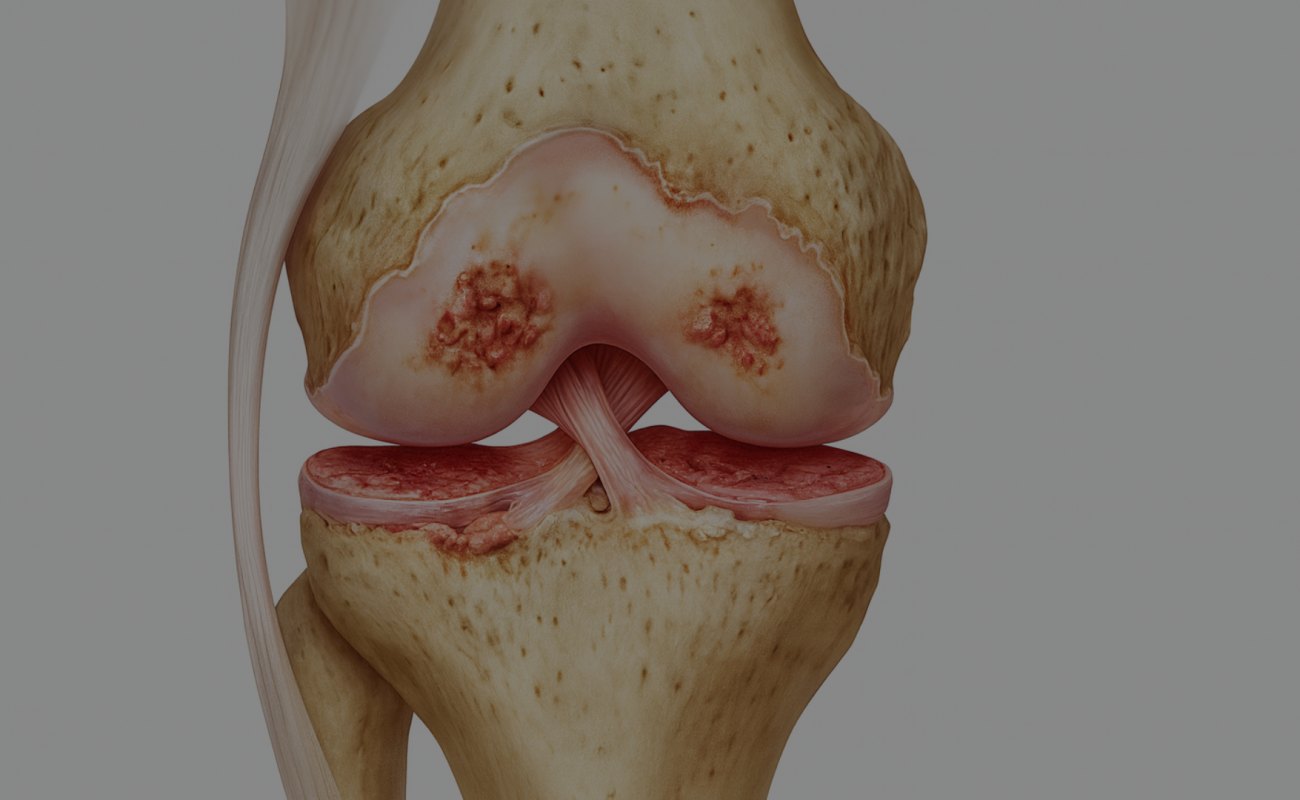
With osteoarthritis, the joint loses some of its flexibility: the cartilage thins, the surfaces become irregular, and friction increases. Arthrosamid® acts precisely where the knee suffers the most: on friction, fluidity, and impact tolerance.
Injected in hydrogel form, it behaves like a internal cushion capable of absorbing some of the mechanical stresses. This allows it to:
- reduce pain during exertion,
- to improve the fluidity of movement,
- to facilitate movements requiring flexion-extension,
- reduce joint fatigue after activity.
Its distinctive feature is its durability: the effect often lasts for several years, which promotes a regular and stable return to sport.
What sports can be resumed after Arthrosamid® treatment?
Most patients return to a comfortable level of physical activity, sometimes even disciplines they had abandoned.
Sports that are generally well tolerated include:
- brisk walking and hiking,
- the bicycle or mountain bike,
- swimming,
- muscle strengthening,
- yoga and pilates,
- cross-country skiing.
Some more demanding sports, such as tennis, padel, alpine skiing, trail running, and dynamic dance, can also be resumed, depending on the condition of the knee and appropriate monitoring.
The essential rule: progress gradually, respecting the sensations of the joint.
When to resume sports after the injection?
After an Arthrosamid® injection, the resumption of activities should be gradual to allow the treatment time to take effect. Recovery is generally rapid:
- relative rest for 48 hours,
- Daily activities resumed shortly afterwards.
- Resumption of light sport within 2 to 3 weeks.,
- High-impact sports after consultation with a specialist.
Daily activities are usually possible soon, while sports that put a lot of strain on the knee should be resumed according to the specialist's recommendations.
Improvement is gradual: many patients notice a reduction in pain during the first few weeks, with the benefit often being more pronounced between the 4th and 6th week, followed by an improvement that may continue to continue in the following months.
Athletes who benefit most from Arthrosamid®
Arthrosamid® is particularly useful for:
- amateur athletes wishing to maintain a regular practice,
- Hikers and mountain enthusiasts, who are very numerous in Switzerland,
- people who had to stop playing sports because of pain,
- patients with previous injuries (meniscus, ligament, sprain),
- those who wish to avoid or postpone surgery.
For many, this treatment represents a turning point: it restores confidence in movement and allows them to regain a freer and more stable level of activity.
A lasting ally for maintaining an active lifestyle
Thanks to its long duration of action, which can last for several years in some patients, Arthrosamid® provides a lasting solution for relieving pain associated with osteoarthritis of the knee.
By reducing symptoms in a prolonged manner, it allows many patients to resume regular physical activity without resorting to repeated injections.
Combined with appropriate muscle strengthening, progressive physical activity and medical monitoring, this treatment helps to preserve mobility, knee stability and quality of life in the long term.
Learn more
Arthrosamid® represents an innovative alternative for patients suffering from knee osteoarthritis who wish to maintain an active life while delaying, when possible, the use of more invasive treatments.
Thanks to its prolonged action, it offers lasting pain relief and allows you to resume your daily or sporting activities more calmly.
Integrated into a comprehensive approach including physical activity, rehabilitation and medical monitoring, it contributes to sustainably improving quality of life and knee function.