
Painful hip, when should you consult a doctor?
Persistent hip pain should never be ignored. Whether it manifests in the groin, buttock, or radiates to the knee, it may indicate an underlying joint or tendon condition. An accurate diagnosis is essential to prevent the condition from worsening, as some causes of hip pain can deteriorate rapidly if left untreated.
Dr. Coulin recommends a specialist consultation as soon as the pain becomes chronic, after a trauma, or if it is accompanied by warning signs such as limping, stiffness or loss of mobility.
What can cause hip pain?
The origins of hip pain are varied and depend on age, activity level and context (traumatic or not).
- In young adults, hip pain can be related to:
- femoroacetabular conflict (abnormal friction between the femur and the pelvis),
- a lesion of the labrum (ring of fibrous cartilage stabilizing the joint),
- a muscular or tendon pathology (tendinitis, elongation).
- In older patients, osteoarthritis (coxarthrosis) is a very common cause of hip pain, but other diagnoses should be considered:
- necrosis of the femoral head,
- trochanteric bursitis (inflammation of a bursa),
- gluteal muscle tendinopathy,
- stress fracture related to bone fragility.
In some cases, hip pain is actually referred from a lumbar (spinal) condition. Hence the importance of a rigorous diagnosis and a complete analysis.
What tests are needed to understand the origin of the pain ?
During the consultation, Dr. Coulin begins with a detailed interview and a targeted clinical examination. The goal is to identify signs of joint or extra-articular pain, as well as aggravating factors (exertion, walking, stairs, prolonged sitting).
Imaging tests are then prescribed to determine the origin of the hip pain:
- Hip ultrasound : useful for visualizing tendons and periarticular bursae, and for guiding certain diagnostic or therapeutic infiltrations.
- Pelvic and hip X-rayThe first examination allows us to assess the condition of the joint surfaces, bone alignment and to detect osteoarthritis or a morphological anomaly.
- Hip MRI : indispensable for exploring soft tissues (cartilage, labrum, tendons) and highlighting lesions invisible in radiography.
- Scanner / Arthro-scanner : used to analyze bone structure in greater detail or to explore the labrum and cartilage through intra-articular injection.
What these tests reveal
Imaging tests help to distinguish between two main categories of causes of hip pain:
- Intra-articular pathologies : osteoarthritis (coxarthrosis), labral lesions, femoroacetabular impingement, necrosis of the femoral head.
- Extra-articular causes : gluteal tendinopathy, bursitis, pain projected from the lumbar spine.
In many cases, hip pain is multifactorial. Therefore, cross-analysis between clinical examination and imaging results is essential to avoid missing a combined diagnosis.
A tailor-made approach with Dr. Coulin
Each patient is unique. Dr. Coulin adopts a rigorous and personalized approach to identify the exact cause of hip pain.
Its protocol includes:
- a precise physical examination,
- cutting-edge imaging,
- careful listening to the patient's symptoms and lifestyle.
Support can be:
- medical (analgesics, anti-inflammatories, targeted infiltrations),
- rehabilitative (physiotherapy to strengthen and loosen the joint),
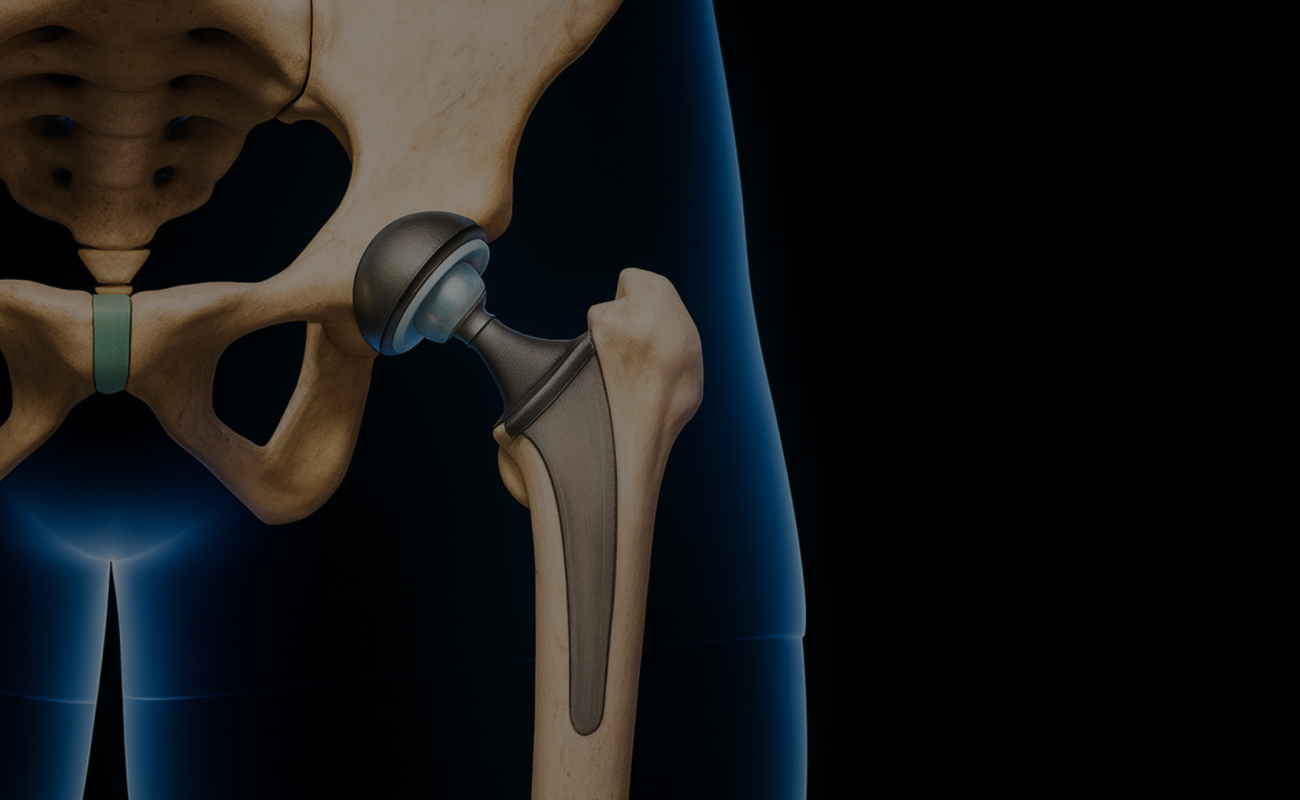
- Or surgical if necessary (arthroscopy, conservative or prosthetic surgery).
The goal is always to relieve hip pain, restore mobility, and allow the patient to resume their activities in the best possible conditions.
Are you suffering from a painful hip ?
Dr. Coulin sees patients in Geneva for consultations to provide a clear diagnosis, analyze your test results, and guide you toward the most appropriate treatment. Whether the condition is mechanical, inflammatory, or tendon-related, every hip pain deserves specialized and personalized care.
Don't let persistent pain limit your mobility: early diagnosis is the key to effective treatment and lasting recovery.