
A successful intervention does not stop in the operating room
Too often neglected, the post-operative follow-up Yet this is what transforms a successful operation into a genuine return to active life.
The quality of recovery depends as much on the support provided after the procedure as on the surgical procedure itself.
Dr. Coulin pays particular attention to this phase, which he considers a pillar of the care pathway.
In Geneva, his approach to post-operative follow-up is based on a personalized protocol, attentive support and constant communication with the patient.
Why is post-operative follow-up essential?
THE post-operative follow-up has several major objectives:
- Restore joint mobility.
- Strengthen muscles weakened by the operation.
- Regain functional balance in the knee or hip.
- Prevent post-operative complications (infection, hematoma, phlebitis, stiffness).
A successful but poorly supported operation can lead to persistent pain, incomplete recovery, and, in some cases, avoidable after-effects. On the contrary, rigorous post-operative monitoring secures healing, accelerates rehabilitation, and increases the chances of lasting success.
Targeted, tailor-made rehabilitation
THE post-operative follow-up adapts to each type of surgery. Concrete examples:
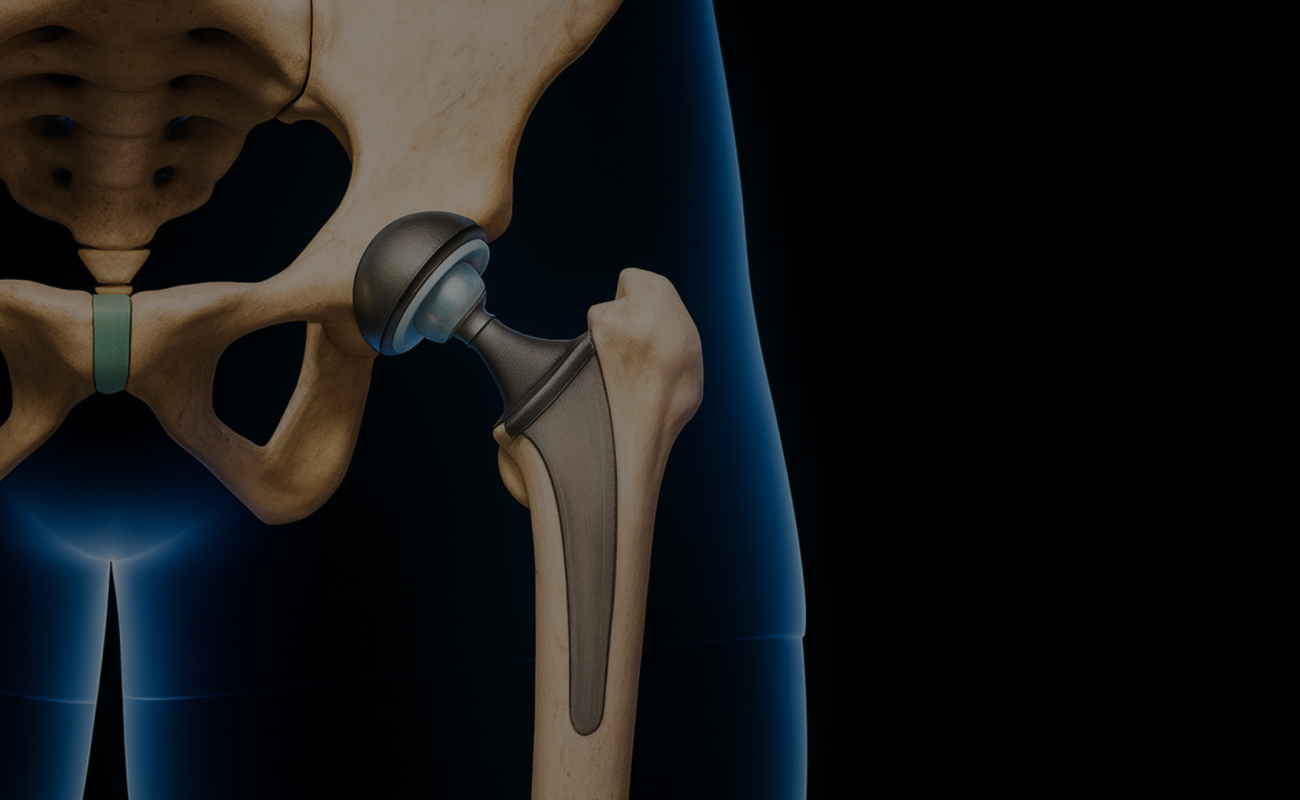
- Knee or hip prosthesis : learning to walk, correcting posture, working on flexibility.
- Meniscal or ligament suture : initial protection, then progressive reinforcement.
- Osteotomy : re-centering of the axis and restoration of mechanical balance.
- Surgery of the cartilage : very controlled progression, fine management of pain and load.
Each protocol is adapted to the patient, their age, their activity level and their objectives: return to sport, return to work or independence in daily life.
Good post-operative monitoring allows the patient to be guided step by step in their recovery, giving them clear guidelines and a secure framework.
The right rhythm and the right benchmarks
A structured post-operative follow-up allows you to avoid two common pitfalls: going too fast and risking a complication, or on the contrary remaining stuck for too long and losing mobility.
Through regular consultations, Dr. Coulin :
- Adjusts the treatment according to progress.
- Decide when is the right time to move from one phase to the next.
- Anticipate possible slowdowns or complications.
This individualized progression makes post-operative monitoring both active, caring and demanding, guaranteeing a return to mobility in the best conditions.
A comprehensive, human and secure approach
THE post-operative follow-up is not just about checking a scar or reviewing an imaging report. It is a global recovery strategy which takes into account:
- Joint function.
- The patient's confidence in his body.
- The pace of life (sport, work, leisure).
Beyond surgery, the goal is to rebuild complete autonomy and give the patient back freedom of movement.
The patient's role in post-operative follow-up
THE post-operative follow-up is a shared approach. The patient's motivation and discipline play a decisive role. Post-operative instructions must be strictly followed: daily exercises, pain management, respect for temporary prohibitions (twists, excessive loads, returning to sports too early).
An involved and well-informed patient optimizes their chances of a full recovery and significantly reduces the risk of complications.
Do you experience persistent joint pain, whether at rest or during exercise ?
Dr. Coulin will see you in Geneva to establish a clear diagnosis, analyze your imaging tests and guide you towards the most appropriate treatment.
Whether it is medical treatment, a regenerative approach or surgery, the post-operative follow-up will always remain at the center of the course, to ensure a sustainable and safe recovery.