
What is a total knee replacement?
Total knee replacement is a surgical procedure that involves replacing worn parts of the cartilage and bone in the joint with specially designed prosthetic implants.
The goal is to restore smooth joint function, relieve chronic pain, and allow the patient to regain a normal gait.
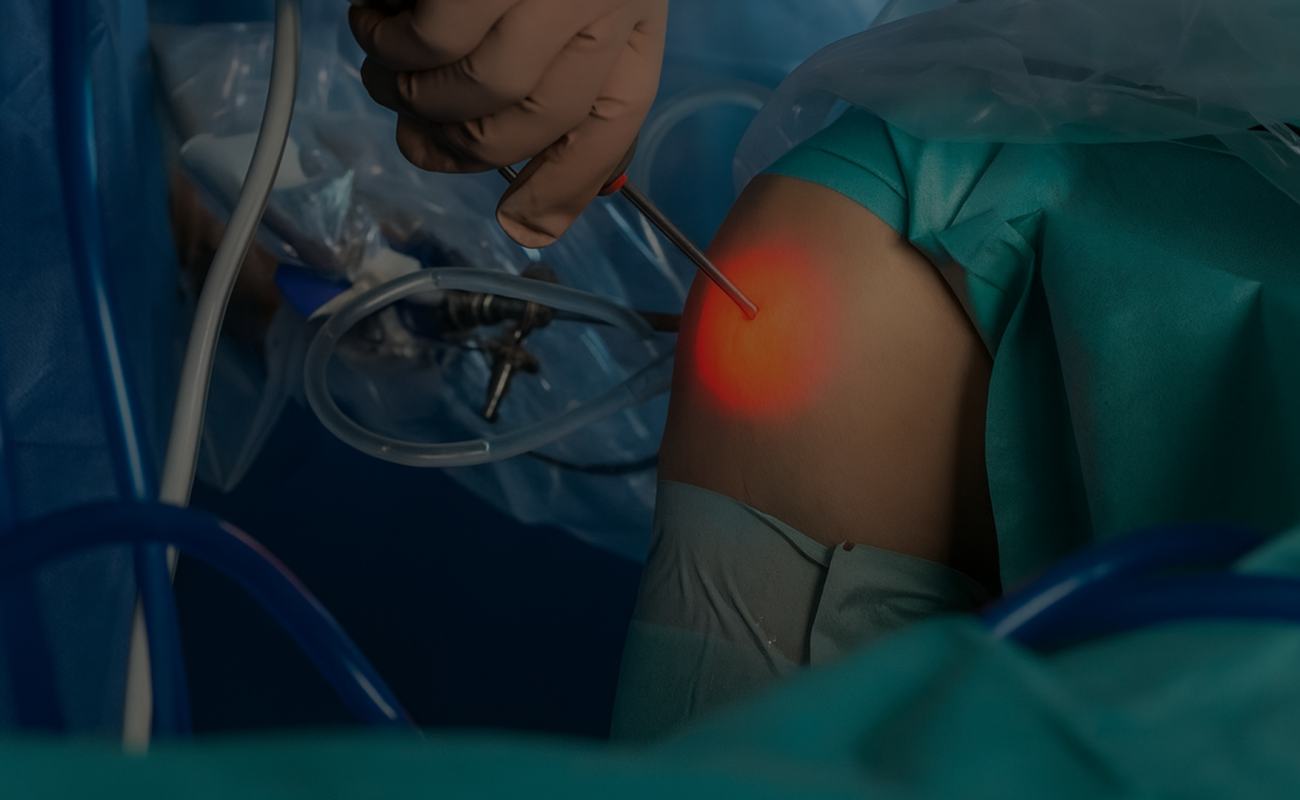
In Geneva, Dr. Coulin favors modern techniques such as minimally invasive surgery, when it is adapted to the patient's profile.
This surgical approach is more respectful of surrounding tissues, reduces post-operative pain and promotes faster recovery.
In which cases is the intervention indicated?
Knee replacement is primarily indicated in cases osteoarthritis knee forward, when:
- the pain becomes chronic and disabling,
- movements are limited,
- and that conservative treatments are no longer sufficient.
Dr. Coulin may also recommend this operation in other situations:
- Inflammatory arthritis (rheumatoid arthritis, ankylosing spondylitis).
- Severe joint deformity with loss of limb axis.
- Complex knee fracture compromising the stability of the joint.
- Bone necrosis occurs when the blood supply is interrupted.
- Failure of conservative treatments (infiltrations, anti-inflammatories, rehabilitation).
When pain affects walking, sleeping, and daily activities, total knee replacement surgery becomes the most effective solution to improve quality of life.
Why consider a knee replacement?
L'knee osteoarthritis is an irreversible degenerative disease: the cartilage thins, the joint becomes stiff and painful, and simple everyday actions become complicated.
A total knee replacement allows you to:
- provide lasting pain relief,
- restore functional mobility,
- regain fluid and independent walking,
- improve posture and balance.
It is therefore a reference treatment for patients for whom medical solutions are no longer sufficient.
How does the operation with Dr. Coulin work?
The procedure is performed under general or regional anesthesia. Dr. Coulin makes an incision in the front of the knee, removes the damaged bone and cartilage, and then implants the prosthetic components (femoral, tibial, and sometimes patellar).
Prior to this, a customized surgical plan is created using...’3D imaging. This key step allows us to model each patient's anatomy, anticipate surgical procedures, and optimize implant placement. The goal is to faithfully restore the knee's natural biomechanics and guarantee lasting stability.
What are the post-operative consequences ?
Rehabilitation after total knee replacement begins within hours of the operation. A physiotherapist works with the patient to gradually mobilize the joint, prevent stiffness, and promote healing.
- Days 1-3: first walks with assistance.
- Following weeks: structured rehabilitation program to restore joint range of motion, strengthen muscles and regain independence.
- Following months: gradual resumption of daily activities and, depending on individual profiles, adapted sports activities (swimming, cycling, walking).
Regular rehabilitation is crucial to achieving a stable, flexible and pain-free knee.
What results can we expect?
Total knee replacement yields excellent results in the vast majority of cases:
- significant reduction, or even disappearance, of pain,
- better joint mobility,
- resumption of an active and comfortable life,
- improved posture, balance and quality of life.
Modern prostheses offer an estimated lifespan between 20 and 25 years old, sometimes more depending on the patient's activity and medical monitoring.
Are there any risks?
Like all orthopedic surgery, knee replacement surgery carries risks:
- infection,
- phlebitis,
- persistent stiffness,
- wear or loosening of the prosthesis.
Dr. Coulin applies strict prevention protocols and ensures close monitoring in order to limit these complications and guarantee a lasting and secure result.
Would you like to know more?
Each patient is unique.
During a consultation, the Dr. Coulin performs a complete clinical examination, analyzes your X-rays and MRIs if necessary, then discusses your pain, expectations and activity level with you.
This assessment helps determine if a total knee replacement is the most suitable solution for your situation or if another treatment could be preferred.