

TRAUMATIC CARTILAGE INJURIES AND JOINT BLOCKAGE
A traumatic cartilage injury can occur after an impact or twisting motion. It can cause pain, swelling, or sometimes joint locking if a fragment obstructs knee movement.
Treatment aims to precisely identify the injury and its potential mechanical cause. Depending on the symptoms and examinations, it may involve temporary protection, physiotherapy, or, in certain situations, intervention.
UNDERSTANDING TRAUMATIC CARTILAGE INJURIES AND JOINT BLOCKAGE

-
This is the area located on the inner side of the knee and is the most frequently affected by osteoarthritis. Its wear and tear can cause internal pain and gradually lead to leg deformity.
-
Located on the outer side of the knee, this compartment is less frequently affected. Its wear and tear can cause lateral pain and gradually alter the leg's alignment.
-
This joint is located between the kneecap and the femur. When it is affected, pain often appears when climbing stairs, squatting, or after sitting for a long time.
RECOGNIZING THE SYMPTOMS
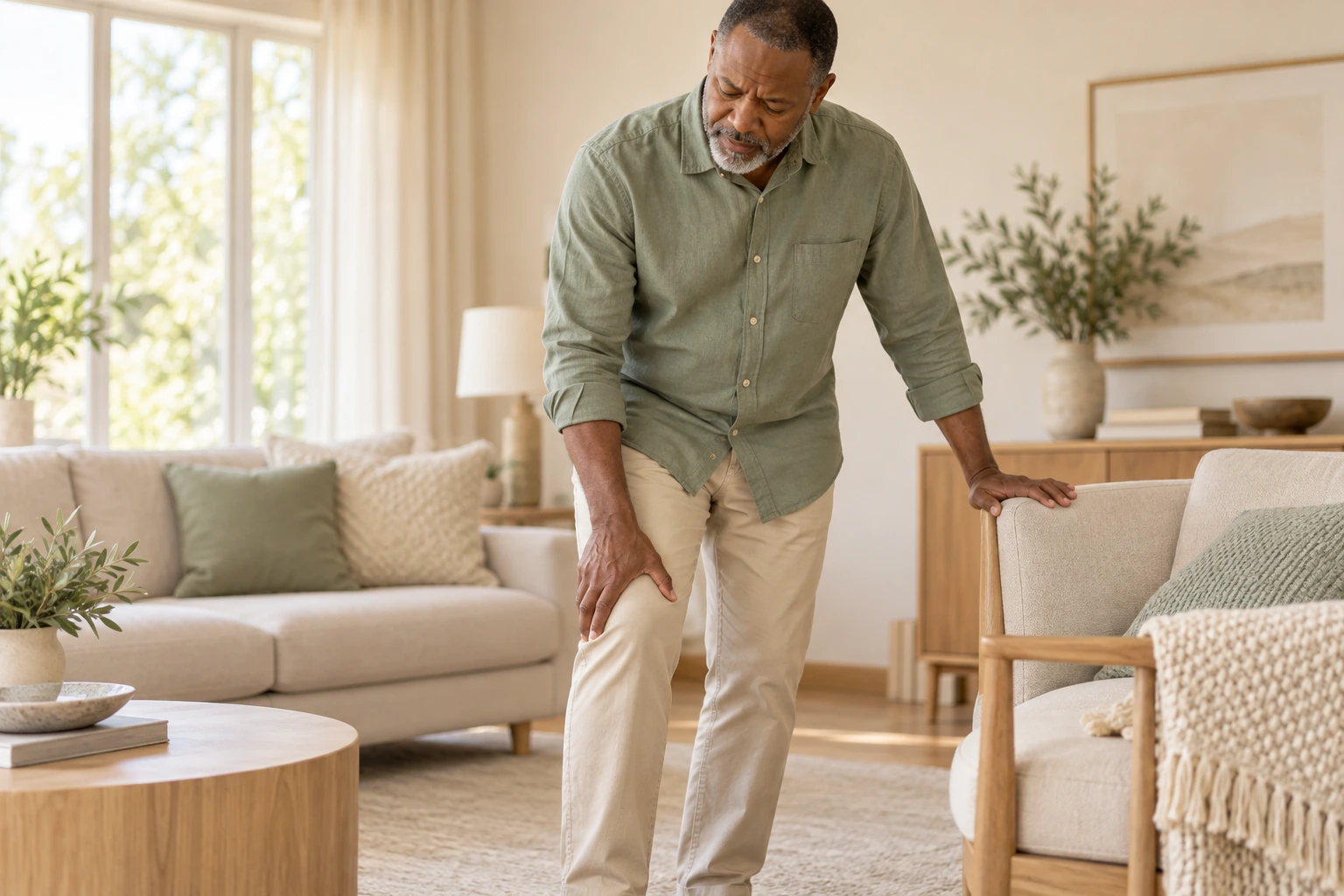
Symptoms may appear immediately after an impact or twisting motion. Their intensity depends on the location of the injury and the possible presence of a loose fragment.
- Knee pain: It can be localized or more diffuse, and increase during pressure or movement.
- Swelling : An effusion may appear after the trauma or return after the activity.
- Snagging or cracking: The knee may feel like it is catching during flexion or extension.
- Joint blockage: The movement may stop abruptly, sometimes with difficulty in fully straightening or bending the knee.
These signs can also be related to a meniscal, ligamentous, or bone injury. A persistent blockage or one that occurs after trauma should be evaluated to determine the cause.
→ Learn more about meniscus injuries
HOW CAN A CARTILAGE INJURY OCCUR?
Trauma can damage cartilage directly or by severely compressing the joint surfaces. In some cases, a fragment of cartilage, or of bone and cartilage, breaks off and disrupts knee movement.
Direct collision
A significant impact on the knee can compress the joint and damage an area of cartilage.
Knee twist
A pivoting or rotating movement, especially during a sporting activity, can create significant stress in the joint.
Patellar trauma
A dislocation or displacement of the patella may be accompanied by damage to the cartilage of the patella or the femur.
Osteochondral fragment
A trauma can detach a fragment combining cartilage and underlying bone. If it becomes mobile, it can cause a catching or locking.
MAKE THE RIGHT DIAGNOSIS
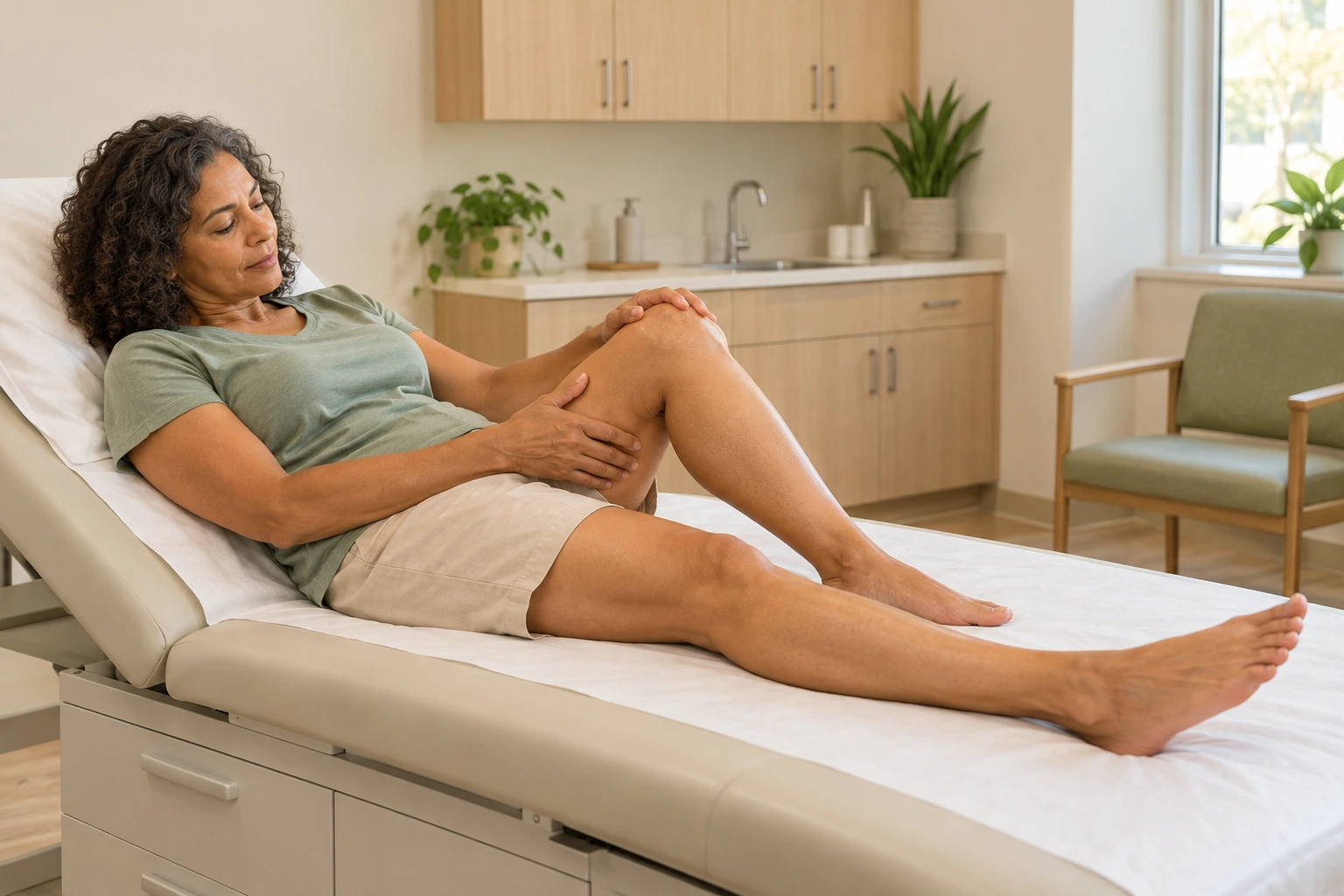
The diagnosis is based on the circumstances of the trauma, the symptoms, and the clinical examination. Imaging helps to define the injury, but it must be interpreted in light of the discomfort experienced and the findings of the examination.
01 — Understanding Trauma
The doctor specifies the movement or shock that caused the symptoms, their evolution, and the movements that trigger pain or a blockage.
02 — Examine the knee
The clinical examination assesses knee mobility, swelling, pain, and stability. It also helps to identify other associated injuries.
03 — Choosing the appropriate imaging
X-rays may be taken to look for a fracture or bone fragment. An MRI may be requested if damage to the cartilage or internal structures needs to be assessed.
A persistent joint blockage requires prompt medical evaluation.
A CONSERVATIVE APPROACH AS A FIRST-LINE TREATMENT
Treatment depends on the extent of the injury, the presence of a loose fragment, and the knee's mobility. When there is no mechanical blockage requiring specific intervention, non-surgical management may be possible.
Its aim is to protect the knee during the painful phase, maintain appropriate mobility, and gradually restore functional abilities. The specific treatment plan is determined based on clinical examination and imaging.
PROTECT THE KNEE
After the injury, activities that trigger pain or swelling can be temporarily reduced. If weight-bearing is difficult, the doctor may recommend crutches or temporary protection.
ADAPT THE ACTIVITIES
Walking and movement are adjusted according to symptoms. It is best to temporarily avoid pivoting, impact, and deep bending if they worsen pain or cause catching.
RELIEVE THE PAIN
Relative rest, applying cold compresses wrapped in a cloth, and appropriate medication can help control symptoms. The choice of medication should take into account each patient's individual medical condition.
REGAIN MOBILITY
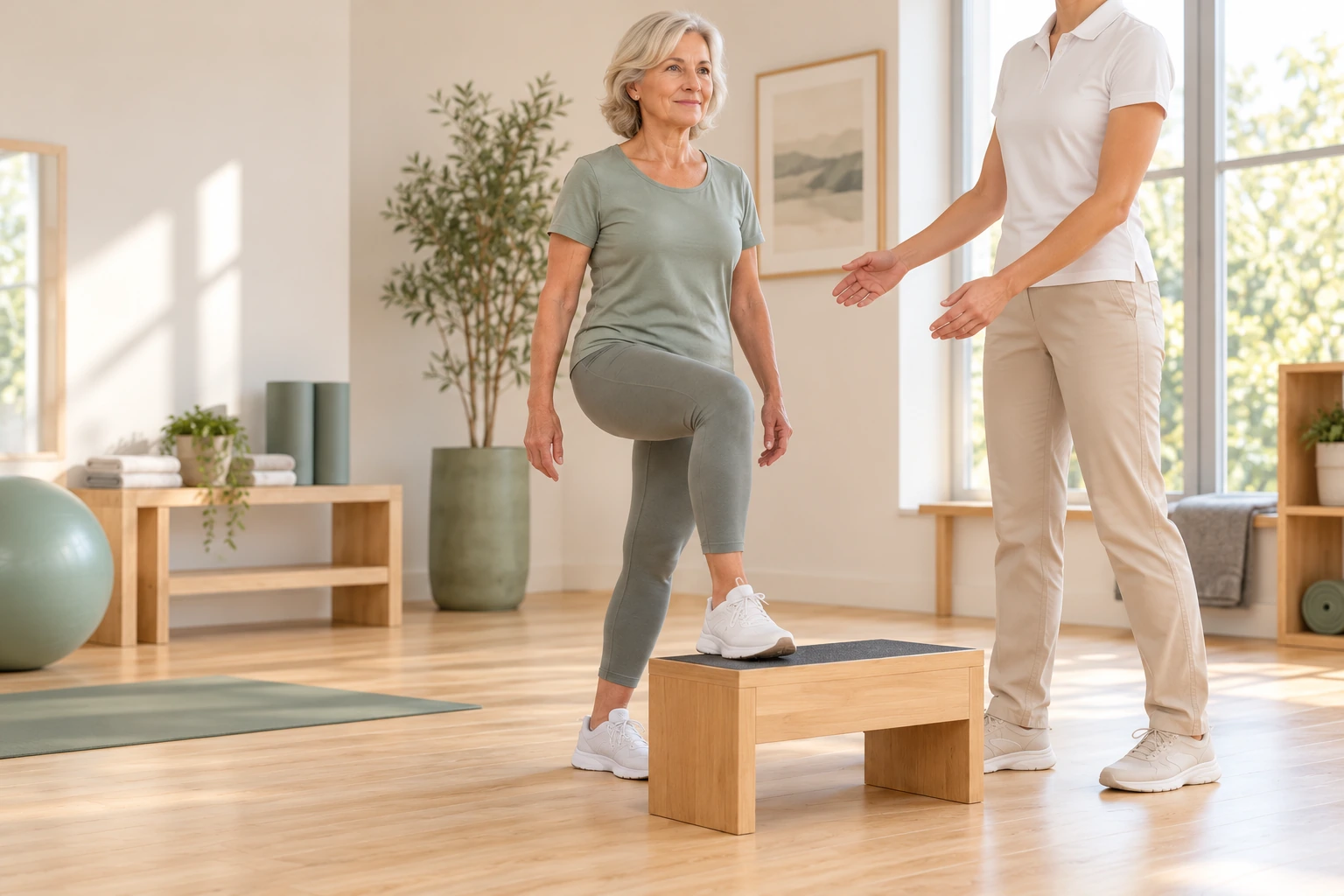
When indicated, physiotherapy supports the recovery of knee mobility, strength, and control. Exercises are tailored to the progression of symptoms and the nature of the injury.
A reassessment is necessary if the knee remains locked, swells again, or does not gradually regain its mobility.

IN WHAT SITUATIONS CAN AN INTERVENTION BE DISCUSSED?
Intervention may be considered when a loose fragment causes mechanical blockage, or when a focal cartilage lesion is significant and persists despite appropriate treatment. Surgery is not always necessary; it depends on the lesion and its impact.
The decision takes into account, in particular, the size and location of the lesion, the condition of the underlying bone, the mobility of the knee, the symptoms and the patient's objectives.
Persistent mechanical blockage
If a loose fragment is actually preventing knee movement, surgical advice may be discussed after confirmation of its presence and location.
Fragment that can be stabilized
Depending on its size, condition and the quality of the underlying bone, an osteochondral fragment can sometimes be treated with a technique aimed at stabilizing it.
Symptomatic focal lesion
For certain localized lesions that remain bothersome, a cartilage treatment or repair technique may be considered on a case-by-case basis.
→ Learn more about arthroscopy
GRADUALLY RESUME ACTIVITIES
Immediately after an injury, the level of activity should be adjusted according to the pain, swelling, and mobility of the knee. In case of locking, the knee should be evaluated before forcing any movement.
Resumption of activity begins with well-tolerated movements, such as short walks on flat ground, provided weight-bearing is permitted and does not worsen symptoms. Activities involving pivoting, jumping, or significant bending are resumed later, depending on medical assessment.
A significant increase in pain, the appearance of swelling, or repeated catching are signs that you should slow down and seek medical advice. Do not attempt to unlock the knee by forcing it.
The progression must respect both the protection of the injury and the maintenance of appropriate movement. Instructions may change depending on the results of the examination and imaging.
Recovery is built up gradually, depending on the mobility and symptoms of the knee.
→ Consult the information on knee injuries

A CARE APPROACH TAILORED TO EACH PATIENT
A traumatic cartilage injury does not manifest itself in the same way in all patients. The presence of locking, pain, and discomfort in daily activities guide the assessment and the steps of treatment.
Dr. Benoît Coulin considers the mechanism of injury, the duration of symptoms, knee mobility and stability, as well as the results of the clinical examination and imaging. Age, occupation, activities, and personal goals are also taken into account.
Conservative treatment is discussed when appropriate for the lesion. If intervention is considered, its objectives, options, and possible outcomes are addressed based on each patient's individual situation.
«"Each decision is based on the observed lesion, the symptoms, and the patient's needs."»
FREQUENTLY ASKED QUESTIONS
IS YOUR KNEE STILL LOCKED AFTER A TRAUMA?
A clinical examination and, if necessary, appropriate imaging can help to determine the origin of the joint blockage and to discuss a personalized treatment plan.
