

POST-TRAUMATIC KNEE INSTABILITY
Post-traumatic knee instability is characterized by a feeling of instability or lack of confidence in the joint after an injury. It can be related to ligament damage, patellar dislocation, or other associated injuries.
Treatment depends on the cause of the instability and the discomfort experienced. It aims to protect the knee, restore function suitable for activities, and consider surgery only when it is deemed necessary.
UNDERSTANDING POST-TRAUMATIC KNEE INSTABILITY

-
This is the area located on the inner side of the knee and is the most frequently affected by osteoarthritis. Its wear and tear can cause internal pain and gradually lead to leg deformity.
-
Located on the outer side of the knee, this compartment is less frequently affected. Its wear and tear can cause lateral pain and gradually alter the leg's alignment.
-
This joint is located between the kneecap and the femur. When it is affected, pain often appears when climbing stairs, squatting, or after sitting for a long time.
RECOGNIZING THE SYMPTOMS
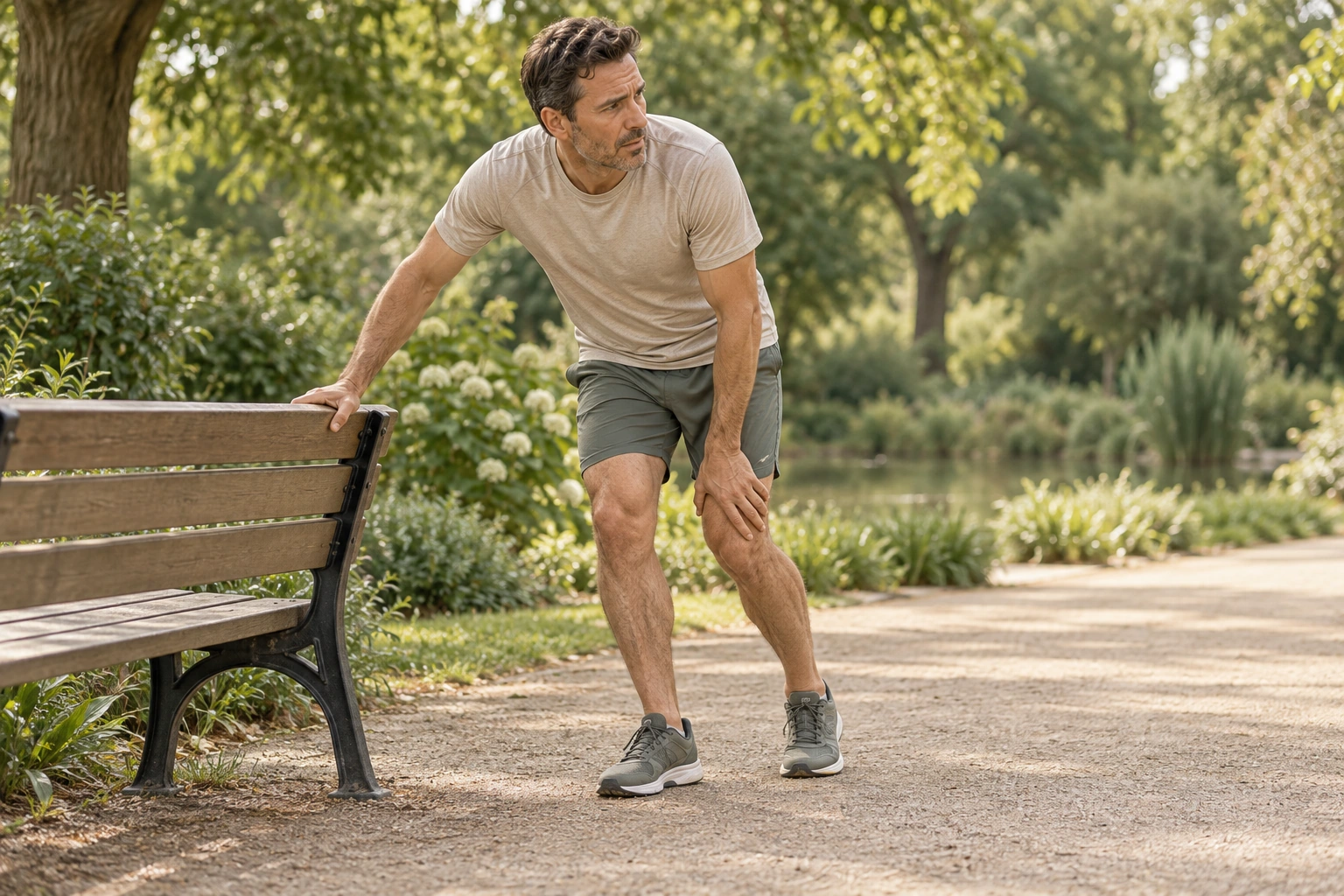
After the trauma, instability may be present immediately or become more noticeable when movement and activities resume. The signs vary depending on the structure affected.
- Sensation of loss of control: The knee seems to give way, especially during a change of direction or a pivoting movement.
- Lack of confidence: Some supports or movements seem uncertain, even when the pain is moderate.
- Swelling or pain: These symptoms may appear after the injury or after an episode where the knee gave way.
- Difficulty with stairs or sports: Movements that involve pivoting, changes of support, or acceleration can become difficult.
These symptoms can also have other causes. A clinical examination is necessary to determine the cause of the instability and to look for any associated injuries.
→ Understanding knee ligament injuries
HOW CAN POST-TRAUMATIC INSTABILITY ARIS?
A feeling of instability after an injury can stem from various knee problems. Understanding the mechanism of the injury and examining the affected structures helps to determine the cause.
Cruciate ligament injury
A pivoting movement, landing, or deceleration can injure a cruciate ligament. Depending on the extent of the injury, the knee may feel less stable during changes of direction.
Lateral ligament injury
A blow to the side of the knee or a forced movement can damage a collateral ligament. Significant damage can alter lateral stability.
Patellar dislocation
When the kneecap moves out of alignment, its stabilizers can be stretched or damaged. Repeated episodes can lead to apprehension or a feeling of instability.
Associated lesions
Meniscal, cartilage or bone damage may accompany the trauma and contribute to pain, swelling or functional impairment.

MAKE THE RIGHT DIAGNOSIS
The diagnosis is based on the account of the injury, the symptoms, and the examination of the knee. Imaging is chosen according to the clinical findings and the lesions the doctor wishes to define.
01 — Understanding Trauma
The doctor is interested in the movement that caused the injury, the appearance of the swelling, and any episodes of giving way since the trauma.
02 — Examine knee stability
The clinical examination assesses the mobility, pain, and stability of various structures. It can be adapted if the knee is too painful or swollen during the initial consultation.
03 — Choosing the right exams
X-rays may be recommended to look for bone involvement. An MRI may be indicated to examine the ligaments, menisci, and cartilage if the symptoms and examination warrant it.
Imaging must be interpreted in light of symptoms and clinical examination.
PROMOTING NON-SURGICAL RECOVERY
When the situation allows, treatment begins with appropriate knee protection and a physiotherapy program. The choice depends on the injury, the observed stability, and the person's activities.
The goal is to reduce discomfort, gradually restore mobility, and improve knee control. The progression is adjusted according to symptoms and functional development.
Adapt the activities
Movements that cause instability, significant pain, or swelling can be temporarily reduced. Maintaining activities compatible with the symptoms helps avoid unnecessary prolonged immobilization.
Protect the knee if necessary
Depending on the injury and the examination, a splint or crutches may be recommended temporarily. Their use and duration should be tailored to the individual situation and reassessed as needed.
Regain strength and control
Physiotherapy can work on mobility, muscle strengthening, balance, and weight-bearing control. Exercises progress according to tolerance and functional goals.
Reassess the evolution
Follow-up care allows doctors to check if the pain, swelling, and episodes of instability are decreasing. If the knee continues to give way despite appropriate treatment, the situation should be reassessed.
The progression is based on the identified lesion and the knee's response to treatment.

WHEN TO CONSIDER SURGERY?
Intervention may be considered when instability persists and limits activities despite appropriate non-surgical management. It depends on the structure affected and is not decided solely on the presence of a lesion on imaging.
The decision takes into account episodes of instability, associated injuries, desired activities, and examination results. The choice of procedure, when indicated, depends on the precise cause of the instability.
persistent instability
Repeated episodes of loss of balance despite physiotherapy and appropriate functional rehabilitation may lead to consideration of surgical intervention. The decision depends on the injury and its impact.
Ligament injury identified
Certain ligament injuries may warrant repair or reconstruction when discomfort persists and functional objectives require it.
→ Learn more about anterior cruciate ligament surgery
Repeated dislocations of the patella
When instability affects the kneecap and recurs, a specialist consultation can help determine if intervention is appropriate. Treatment depends in particular on the anatomy and any associated injuries.
GRADUALLY RESUME ACTIVITIES
Movement can be maintained within the limits determined by the examination and the injury. In the case of a recent injury, the priority may be to protect the knee before gradually resuming activities.
Recovery can begin with the movements and mobility and strengthening exercises prescribed by physiotherapists. Pivoting, changes of direction, and sports activities that heavily stress the knee can be reintroduced according to progress and medical instructions.
Moderate discomfort may require adjusting the exercises. New weakness, increasing pain, or significant swelling warrants reducing the activity and seeking medical advice.
Progression takes into account stability, strength, mobility, and confidence in balance. It may differ depending on the injury, the chosen treatment, and the desired activities.
The recovery is done in stages, depending on the actual stability of the knee.
→ Discover knee rehabilitation

A CARE APPROACH TAILORED TO EACH PATIENT
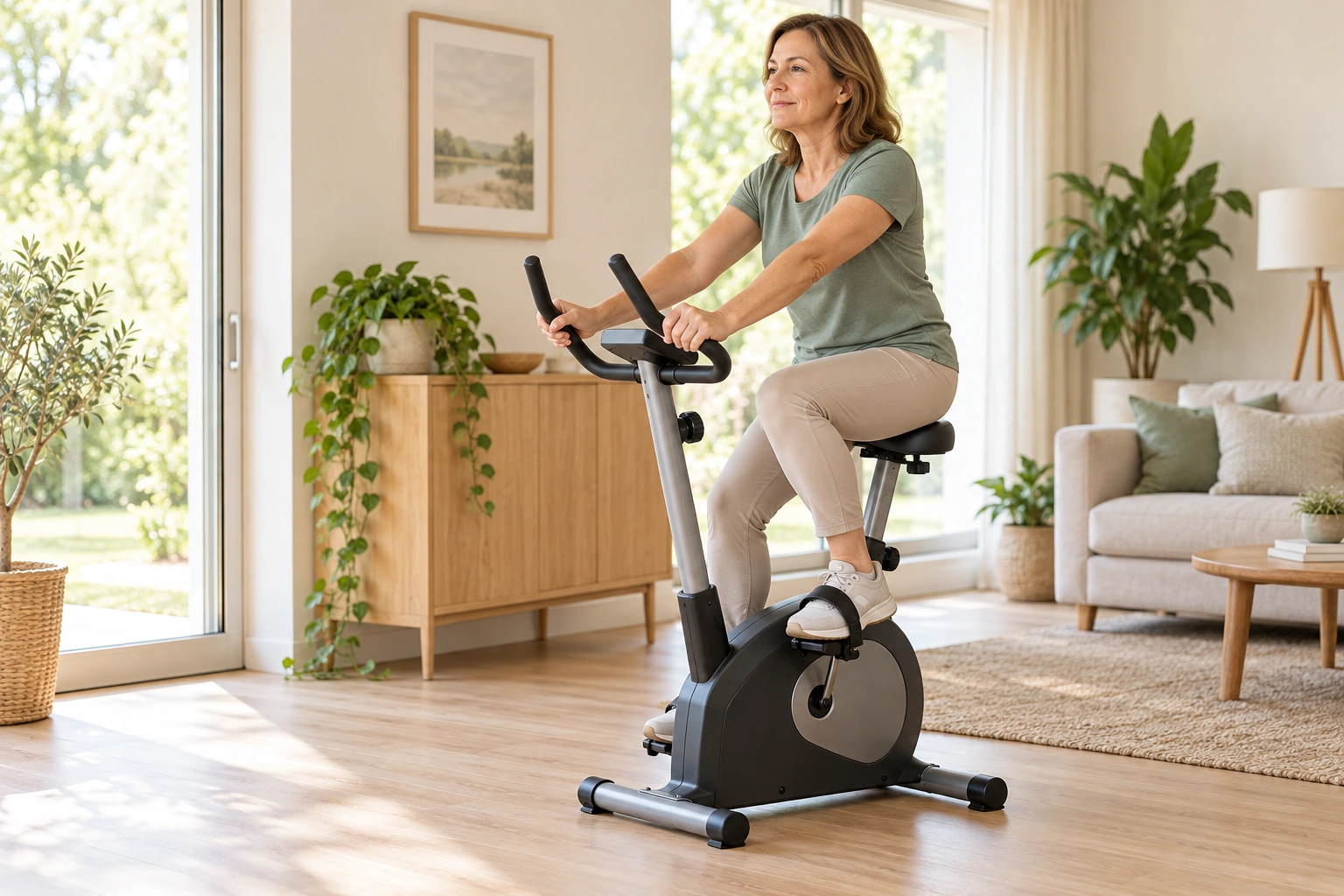
Post-traumatic instability does not manifest itself in the same way in all patients. Treatment depends on the injury, the level of discomfort experienced, and the activities the person wishes to resume.
Dr. Benoît Coulin takes into account symptoms, episodes of withdrawal, the clinical examination, and imaging results when indicated. Age, occupation, sports activities, goals, and any associated injuries also contribute to the discussion.
Conservative management may be offered when the situation allows. If instability persists or if certain lesions warrant it, surgical options can be discussed on a case-by-case basis.
«"Treatment must address the cause of the instability and the needs of each patient."»
FREQUENTLY ASKED QUESTIONS
Has your knee been giving way since an injury?
A clinical examination and, if necessary, appropriate imaging can help to determine the origin of the instability and to propose a personalized treatment plan.
