

PUBIC BRANCH FRACTURES
THE pubic branches These are bony parts located at the front of the pelvis. They participate in the formation of the pelvic ring and join the other pelvic bones around the hip socket.
A fracture can affect one or more pubic rami. In older people, it frequently occurs after a fall from standing height, sometimes onto a bone weakened by osteoporosis. In a younger person, it may be related to a more significant trauma.
The pain is usually located in the groin, pubic area, or pelvis. It is often aggravated by walking, changing position, or raising the leg. These fractures are often stable and treated without surgery, but a medical examination and imaging are necessary to check for any associated injuries or pelvic instability.
UNDERSTANDING PUBIC BRANCH FRACTURES
RECOGNIZING THE SYMPTOMS
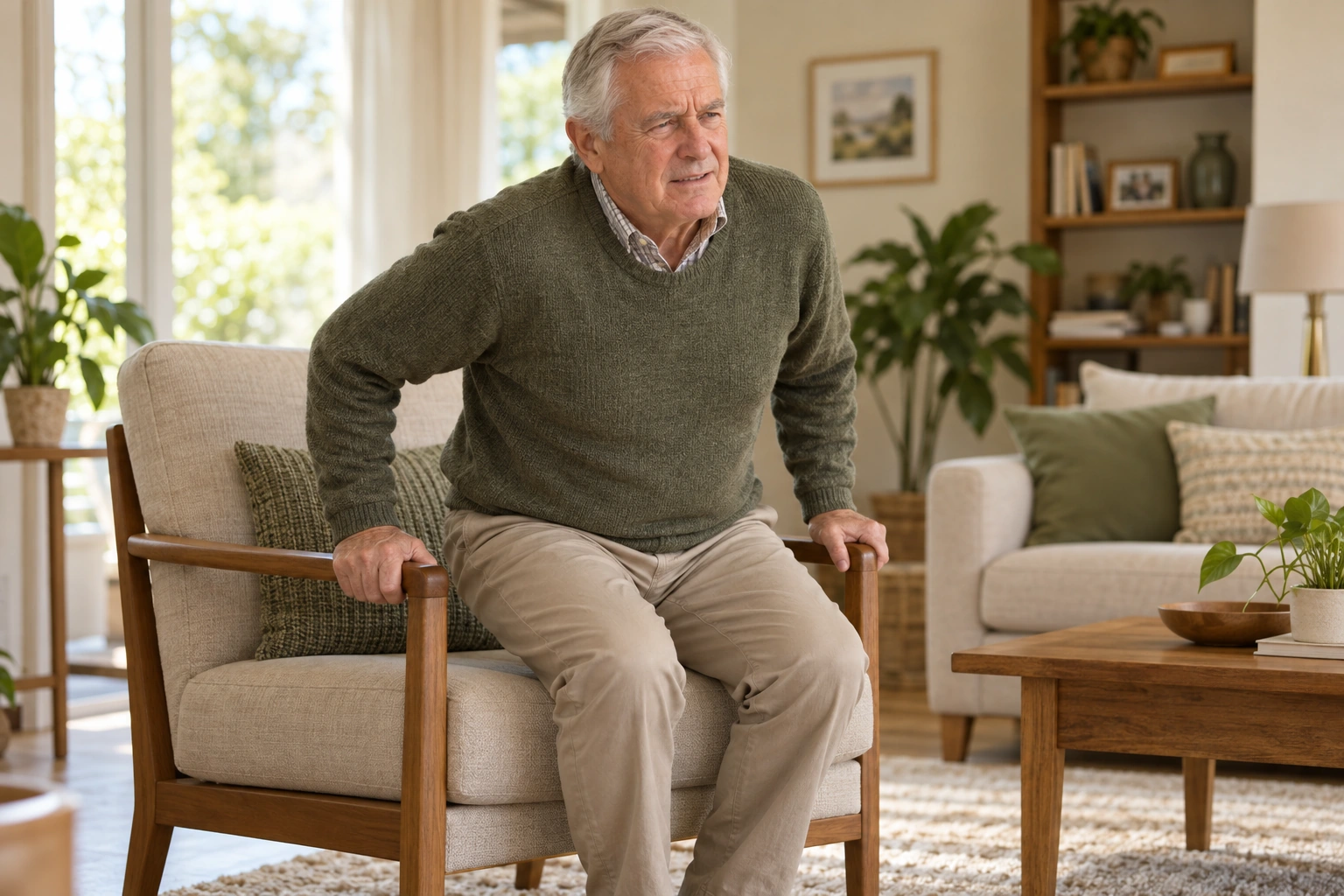
THE fractures of the pubic rami They most often cause pain in the front of the pelvis, in the groin or pubic area. The discomfort may be moderate at rest, but increase during walking, transfers, or hip movements.
- Pain in the groin or pubic area: It can be felt in the front of the pelvis and sometimes extends to the hip or upper thigh.
- Pain when walking or bearing weight: Getting up, walking, or standing can become difficult.
- Discomfort during changes of position: Sitting up, standing up, turning over in bed or lifting the leg can aggravate the pain.
- Decreased mobility: The person may walk more slowly, need assistance, or avoid certain movements.
After a fall, pelvic pain that prevents walking or worsens should be assessed promptly. Avoid putting weight on the affected area if it is very painful.
WHY DOES A PUBIC BRANCH FRACTURE OCCUR?
A fracture of the pubic rami occurs when the force exerted on the pelvis exceeds the bone's strength. In older people, a fall from a low height can be enough, especially in cases of bone fragility. In younger people, the fracture is more often linked to a significant trauma.
FALL FROM ONE'S OWN HEIGHT
A fall to the side or forwards can transmit force to the pelvis. This mechanism is common in older people, even if the fall seems minor.
OSTEOPOROSIS AND BONE FRAGILITY
A decrease in bone density makes the pelvic bones more vulnerable. A fracture following moderate trauma may prompt screening for osteoporosis and discussion of measures to prevent further fractures.
MAJOR TRAUMA
A road accident, a fall from a height or a significant direct impact can cause a more complex fracture or one associated with other pelvic injuries.
Factors Contributing to Falls
Balance disorders, muscle weakness, vision problems, certain medications or a risky environment can increase the risk of falling and should be taken into account in prevention.

MAKE THE RIGHT DIAGNOSIS
Diagnosis is based on symptoms, clinical examination, and imaging. X-rays of the pelvis often allow identification of the fracture. A CT scan may be requested to determine its extent, check the stability of the pelvic ring, or look for other fractures.
01 – THE CLINICAL EXAMINATION
The doctor details the circumstances of the fall and the location of the pain. He assesses hip movement, the ability to stand and bear weight, as well as the patient's general condition and any associated injuries.
02 – X-RAYS
X-rays of the pelvis and hip can confirm the fracture and show its location. They are often the first imaging examination.
03 – THE SCAN AND ADDITIONAL EXAMINATIONS
A CT scan allows for better visualization of complex or poorly visible fractures and can help detect involvement of the posterior pelvis. Further examinations may be recommended if symptoms persist despite X-rays that do not clearly show the fracture.
A fracture that is not very visible on the first x-rays remains possible: if the pain persists or prevents weight-bearing, the doctor may request further examination.
TREATING THE FRACTURE AND RELIEVING PELVIC PAIN
Most isolated and stable fractures of the pubic rami are treated non-operatively. Management aims to control pain, allow a gradual return to walking, and limit complications related to immobilization. Treatment is tailored to the stability of the fracture, symptoms, and the patient's overall condition.
RELIEVE THE PAIN
Pain relievers are offered to facilitate rest, changes in position, and the return of mobility. The doctor takes into account age, other illnesses, and current treatments to choose a suitable option.
RESUME SUPPORT GRADUALLY
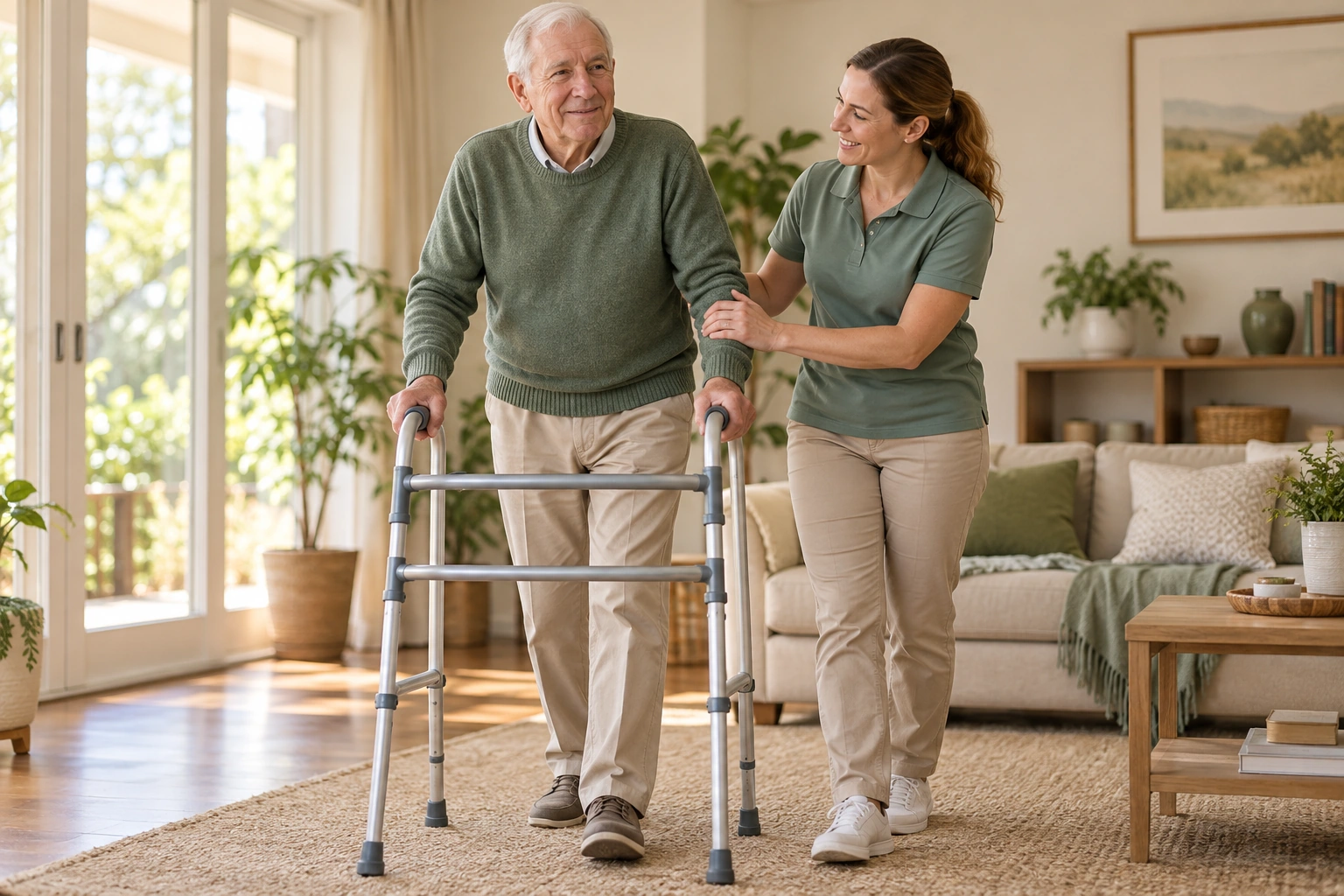
When the fracture is stable and the patient's medical condition allows, walking is resumed according to pain tolerance, often initially with a walker or crutches. Prolonged immobilization is generally avoided, as it can lead to a loss of strength and independence.
ORGANIZING PHYSIOTHERAPY
Physiotherapy helps restore weight transfers, walking, and hip movement. Exercises are tailored to the level of pain and progress at the pace of recovery.
CHECK FOR CONSOLIDATION AND PREVENT FALLS
Clinical monitoring checks the evolution of pain, mobility, and the ability to resume weight-bearing. In cases of bone fragility or falls, the doctor can also assess the risk of further fractures and discuss preventive measures.
Treatment generally favors progressive mobilization when the fracture is stable. The level of support, walking aids and the duration of rehabilitation are adapted to each patient.
WHEN TO CONSIDER SURGERY?
Surgery is generally not necessary for an isolated and stable fracture of the pubic rami. However, it may be considered if the assessment reveals pelvic instability, associated injuries, or pain that persistently prevents mobilization despite appropriate management.
IF THE BASIN IS UNSTABLE
When examinations show that the fracture is part of a more extensive pelvic ring injury, surgical stabilization may be considered. The decision depends on the location of the lesions, their displacement, and their effect on pelvic stability.
IF PAIN PREVENTS MOBILIZATION
Persistent pain that prevents getting up or walking despite treatment may lead to a reassessment of the fracture and associated injuries. The specialist will review the possible options based on imaging and the patient's overall condition.
AFTER ASSESSMENT OF RISKS AND BENEFITS
Age, associated illnesses, independence, bone quality, and the risks associated with the procedure are all taken into account. Surgery is only offered if its expected benefit justifies its risks in the patient's specific situation.
KEEP MOVING WITH KNEE OSTEOARTHRITIS
Recovery depends on the stability of the fracture, the pain level, the mobility before the fall, and the overall condition. For a stable fracture, the resumption of movement and walking is gradual, with the help of the healthcare team and physiotherapist if necessary.
01 – CHANGE POSITION WITHOUT FORCING
Transfers from bed to chair are resumed with pain management in mind. Appropriate movements can prevent sudden pelvic thrusts.
02 – GETTING UP WITH HELP
The patient learns to stand and sit down safely. A walker or crutches may be used initially.
03 – GRADUALLY RESUME WALKING
The distance and level of support increase according to tolerance and medical recommendations. Excessive pain should prompt a reassessment of the effort.
04 – REGAIN STRENGTH AND BALANCE
The exercises aim to preserve leg strength, balance and confidence in movement, without imposing painful movements.
05 – ADAPT DAILY LIFE AND PREVENT FALLS
Home travel, footwear, technical aids and fall risk factors can be reassessed to ensure a safe return to activities.
Recovery is gradual and depends on pain, fracture stability, and each patient's individual situation.


A CARE APPROACH TAILORED TO EACH PATIENT
A fracture of the pubic rami must be assessed holistically. The specialist takes into account the location and displacement of the fracture, pelvic stability, pain, ability to walk, and the patient's overall condition.
When the fracture is stable and isolated, management most often focuses on pain control, gradual resumption of walking, and physiotherapy. Monitoring is arranged to track the evolution of symptoms and adjust the necessary support accordingly.
In older adults, a fall can also reveal bone fragility or an increased risk of further falls. Prevention and home modifications can therefore be part of the follow-up care.
«"The treatment aims to relieve pain and gradually restore mobility, while also checking the stability of the pelvis."»
FREQUENTLY ASKED QUESTIONS
DO YOU WANT TO BETTER UNDERSTAND YOUR FRACTURE?
A consultation allows us to assess the fracture, the stability of the pelvis, the pain and your ability to walk, in order to discuss the most appropriate treatment and return to mobility.
