

Lisfranc fracture
Lisfranc fracture surgery aims to realign and stabilize the midfoot bones when the fracture is displaced or the joints are unstable. Depending on the extent of the injury, the surgeon may fix the bones or perform a joint fusion.
Surgery is not always necessary. Its indication depends on the level of discomfort, the clinical examination, the observed lesions, any treatments already considered, and the individual's goals. An abnormal appearance alone is not sufficient to justify surgery.
UNDERSTANDING SURGERY FOR A MEDIAL MALLEOLAR FRACTURE

-
This bony surface is located on the inner side of the knee and receives part of the femur.
-
Located on the outside, it can be touched alone or with the inner tray.
-
Covered with cartilage, it allows movement between the femur and the tibia. A fracture can crack or depress it.
-
The meniscus is located between the femur and the tibia. It can be injured during the same trauma.
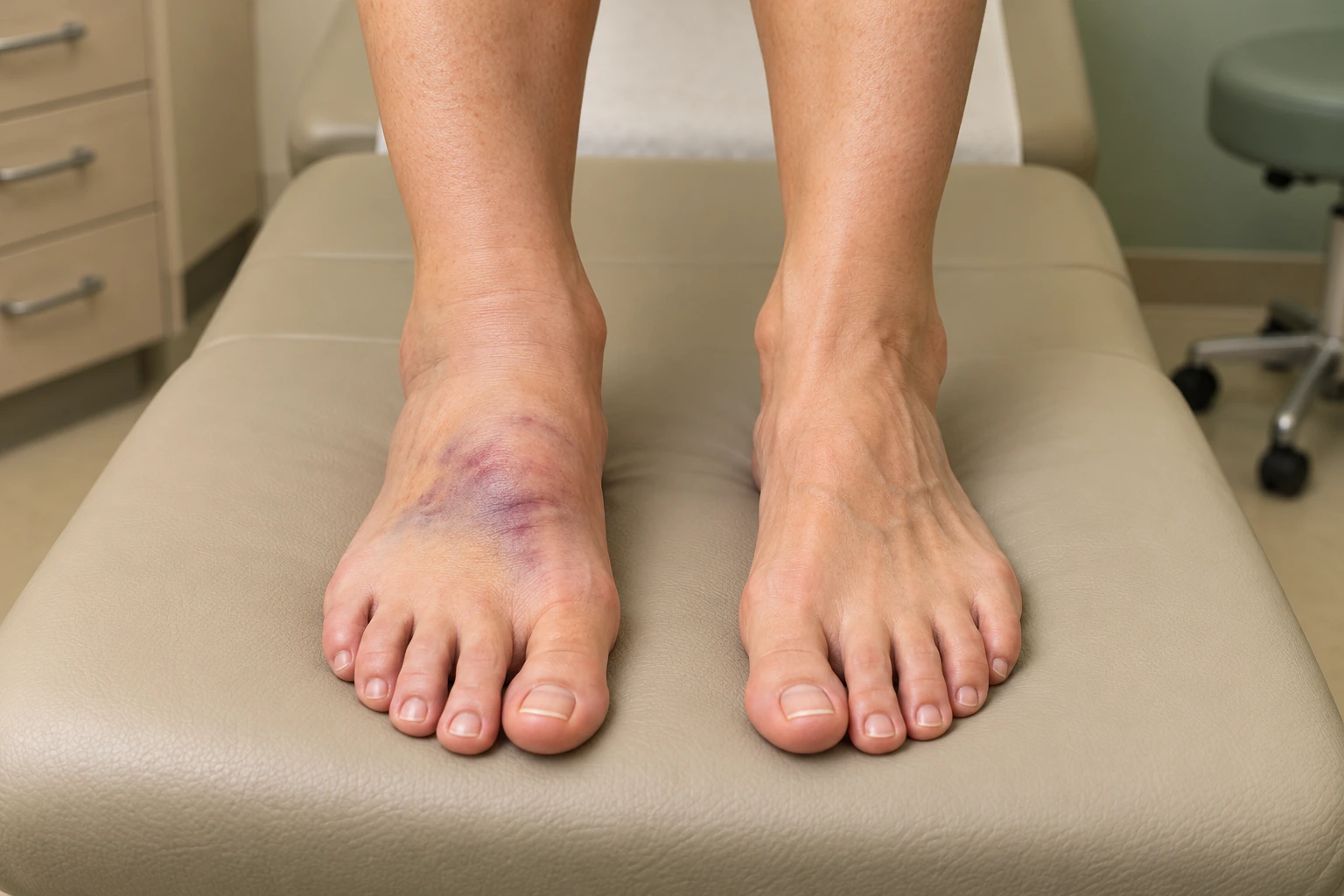
WHEN SHOULD SURGERY BE CONSIDERED FOR A LISFRANC FRACTURE?
Surgery may be recommended when midfoot alignment or stability cannot be adequately preserved without intervention. The decision takes into account the fracture, ligaments, clinical examination, and the individual's needs.
Displaced fracture
Displacement of the fragments can compromise the alignment of the joints.Midfoot instability
Instability related to a fracture or ligament injury may require stabilization.Joint misalignment
Loss of alignment between the tarsal bones and the metatarsals can impair foot function.Severely damaged joint surfaces
In some complex injuries, fusion of some joints may be discussed rather than fixation aimed at preserving each joint.
A minimally displaced and stable Lisfranc fracture can sometimes be treated without surgery. The doctor weighs the symptoms, examination, imaging, planned treatments, functional age, activity level, and personal goals.
ASSESSING THE LISFRANC FRACTURE AND ANKLE STABILITY
The preparation allows the operative strategy to be confirmed and the first weeks to be organized, during which support may be limited or prohibited.
Preoperative assessment
The team reviews the patient's history, treatments, and foot examinations. Further tests or analyses may be requested. The anesthesia consultation allows for discussion of the anesthesia and pain management.
Intervention planning
The choice between fixation and arthrodesis depends in particular on the displacement, the number of bones involved, and the condition of the joint surfaces. Imaging helps to plan the procedure and the necessary materials.
Physical preparation and practice
It can be helpful to organize the home to limit movement and to prepare for any necessary walking aids. Crutches may be prescribed. Muscle preparation is done according to pain level and medical instructions.
Further tests if necessary
The team will provide instructions regarding fasting, hygiene, and arrival at the facility. Do not discontinue any medication without consulting the medical team and inform them of all your treatments.
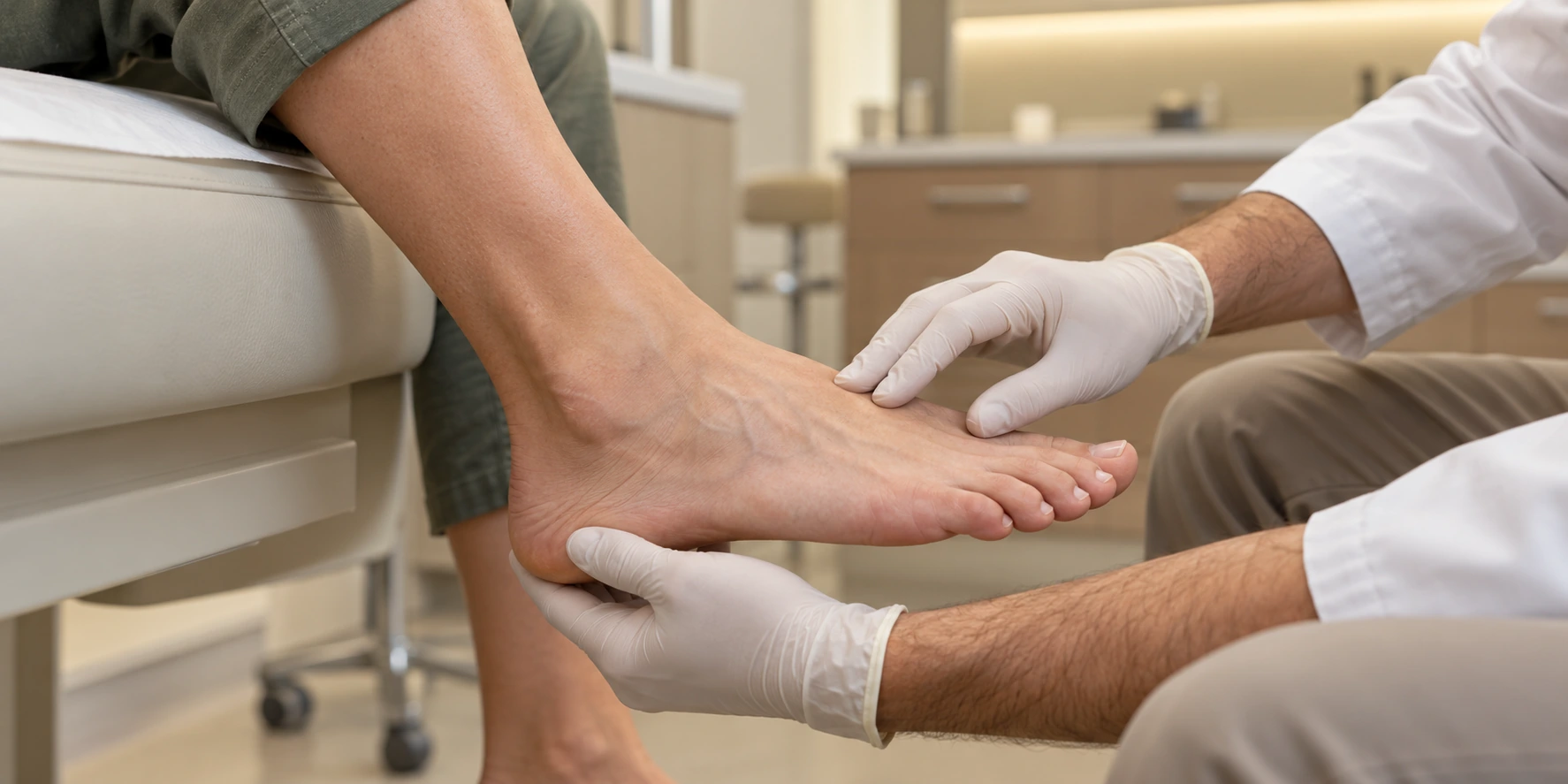
HOW IS LISFRANC FRACTURE SURGERY PERFORMED?
The procedure is suitable for fractures and ligament injuries. It is generally performed under general anesthesia, sometimes combined with regional anesthesia. The duration and hospitalization requirements vary depending on the complexity of the injury and the chosen technique.
Installation and anesthesia
The patient is positioned to allow access to the foot. After anesthesia, the team prepares the skin under sterile conditions and checks the operated side as well as the treatment plan.
Access to the treated area
The surgeon makes one or more incisions tailored to the injuries. The approach depends on the location of the fractures, the degree of displacement, and the condition of the tissues. The surgeon exposes the necessary area while protecting surrounding structures.
Main surgical procedure
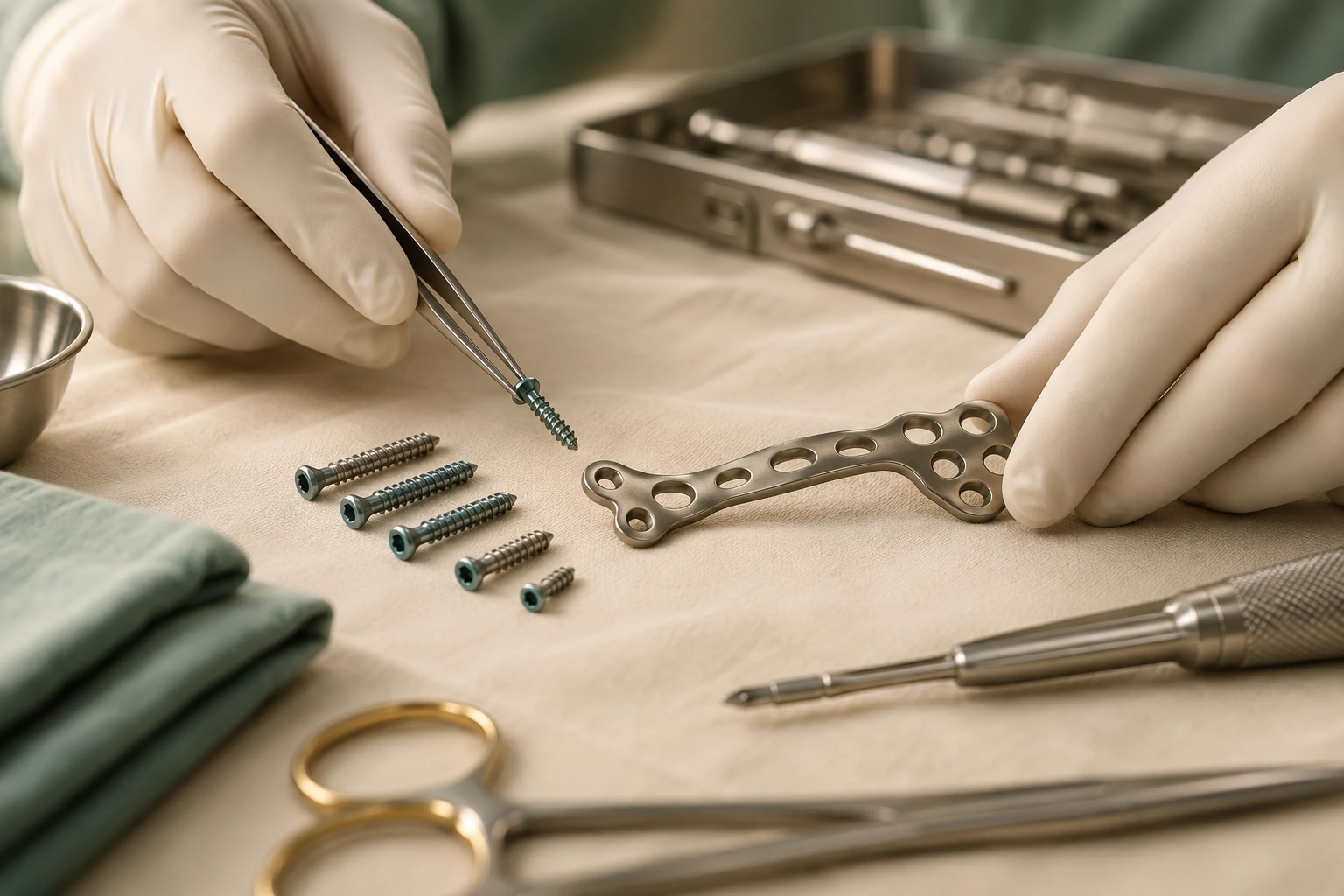
The displaced fragments are realigned. The surgeon restores congruity to the midfoot joints and stabilizes the lesions using screws and, depending on the case, a plate or other fixation device. When the joint surfaces are too damaged to be preserved, arthrodesis of some joints may be performed. The technique depends on the fracture and the tissues observed.
result check
The surgeon checks the alignment and stability achieved. Intraoperative images can help verify the position of the fragments and hardware. Fixation is checked before closure.
Closure and end of the intervention
The incisions are closed and protected with a dressing. A splint or boot may be applied depending on the situation. The patient is then transferred to the recovery room for postoperative monitoring.
The goal is to restore midfoot alignment and stabilize it during consolidation.
WHAT TECHNIQUE IS USED FOR SURGERY FOR A LISFRANC FRACTURE?
Internal fixation aims to reposition the fragments and maintain them during consolidation. It may be suitable when the articular surfaces can be preserved and stability can be restored.
Primary arthrodesis involves fusing certain joints. It may be considered when the articular surfaces are severely damaged or the fractures are highly comminuted. Data comparing the options do not indicate a superior technique in all situations; the choice depends on the type of injury.
Reduction and internal fixing
The fragments are realigned and then stabilized with screws, sometimes in conjunction with a plate. This option allows for the preservation of the joints when their condition permits. The outcome depends on the reduction achieved, stability, and consolidation.
Primary arthrodesis
Some injured joints are fused to stabilize the midfoot. This option may be considered in cases of significant joint damage. It eliminates movement in the fused joints and is therefore not suitable for all patients.
Choosing the first route
The position and size of the incisions are adapted to the areas to be treated and the tissues. The surgeon chooses the access necessary to achieve a satisfactory reduction, taking into account the condition of the skin and any associated lesions.
Fastening and control hardware
The implant material is chosen according to the fracture configuration and the surgical technique selected. Intraoperative checks can help verify the alignment and position of the implants. The need for eventual removal of the material is discussed on a case-by-case basis.
The choice is based on the possibility of preserving the joints, the desired stability, and the characteristics of each fracture.
AFTER TREATMENT: THE FIRST STEPS
After surgery for a Lisfranc fracture, the team monitors the foot, pain, and scar. The protocol depends on the fixation, tissue quality, and surgical findings.
Returning home can be considered when the patient's general condition, pain level, and transportation arrangements allow. A longer hospital stay may be necessary depending on the medical or social situation.
MONITORING AND PAIN
Monitoring focuses on the patient's general condition, foot, and dressing. Medication and sometimes an anesthetic block help control pain. The team provides further instructions.
SUPPORT, WALKING AND PROTECTION
After Lisfranc surgery, weight-bearing is often prohibited or strictly limited for a period determined by the surgeon. Crutches are then necessary. A boot or splint can protect the foot. Do not resume weight-bearing without the team's approval.
RETURN HOME AND MONITORING
The dressing and the scar are monitored according to the instructions received. The first check-up allows for an assessment of the healing process and the continuation of the protocol. Contact the team if the pain or swelling worsens significantly, if you develop a fever, experience any wound problems, or if your foot becomes cold, pale, or numb.
GRADUALLY REGAIN SUPPORT AND MOBILITY
In the first few weeks, the goals are to protect the fixation, monitor the scar, and limit swelling. The duration of non-weight-bearing is determined by the surgeon based on the fracture and the observed healing process.
Rehabilitation then progresses based on assessments. It may focus on mobility, strength, and balance, while respecting weight-bearing restrictions. The program is adjusted according to progress and any stiffness.
Walking and daily activities are gradually resumed after approval from the medical team. Driving depends on the operated foot, vehicle control, and the ability to react safely. Returning to work depends on the travel involved and the physical demands of the job.
Sports activities are gradually resumed after medical clearance, depending on the patient's recovery, mobility, strength, and exercise tolerance. Activities involving jumping or changes of direction require a particularly cautious approach.
The resumption of support and activities follows the progress of consolidation, without an identical timetable for everyone.

EXPECTED RESULTS, LIMITATIONS AND RISKS
The surgical decision for a Lisfranc fracture involves weighing the expected benefits, possible limitations, and risks specific to the injury.
Objectives and expected results
Surgery aims to restore alignment and stability of the midfoot and promote functional recovery. It does not guarantee complete pain relief or a return to all previous activities.
Boundaries
Recovery depends on the severity of the fracture, the condition of the joints and tissues, the healing process, and rehabilitation. Stiffness, discomfort when bearing weight, or persistent pain may occur. Post-traumatic osteoarthritis may also develop.
Risks and complications
Like any surgical procedure, this surgery carries risks, including infection, hematoma, wound healing problems, phlebitis, stiffness, persistent pain, or nerve damage. Failure to heal properly, inadequate fixation, or loss of correction may sometimes require further intervention. Specific risks are discussed with the medical team.

A CARE APPROACH TAILORED TO EACH PATIENT
Two people with a similar Lisfranc fracture on the initial images do not necessarily require the same intervention. The condition of the joints and the actual stability of the midfoot guide the choice.
Dr. Benoît Coulin takes into account functional age, anatomy, tissue quality, fracture severity, associated injuries, activity level, occupation, previous treatments, and personal goals.
The technique, timing of the intervention, and recovery program are defined based on these elements and the examinations. The strategy can be reassessed as the situation becomes better understood.
«"The treatment is chosen based on the stability of the midfoot and the goals of each patient."»
FREQUENTLY ASKED QUESTIONS
Is surgery indicated for your Lisfranc fracture?
A clinical examination and imaging analysis allow us to assess midfoot stability and discuss the treatment best suited to your situation.
