
POSTERIOR CRUCIATE LIGAMENT (PCL) SURGERY
Posterior cruciate ligament surgery aims to restore some knee stability when the tibia tends to slide abnormally backward under the femur. Most often, the ligament is reconstructed using a tendon graft fixed within bone tunnels.
This intervention is not systematic. The decision depends on the discomfort experienced, the clinical examination, the degree of instability, associated injuries, treatments already undertaken, and the activities the patient wishes to resume.
UNDERSTANDING ANTERIOR CRUCIATE LIGAMENT SURGERY
WHEN TO CONSIDER POSTERIOR CRUCIATE LIGAMENT SURGERY?
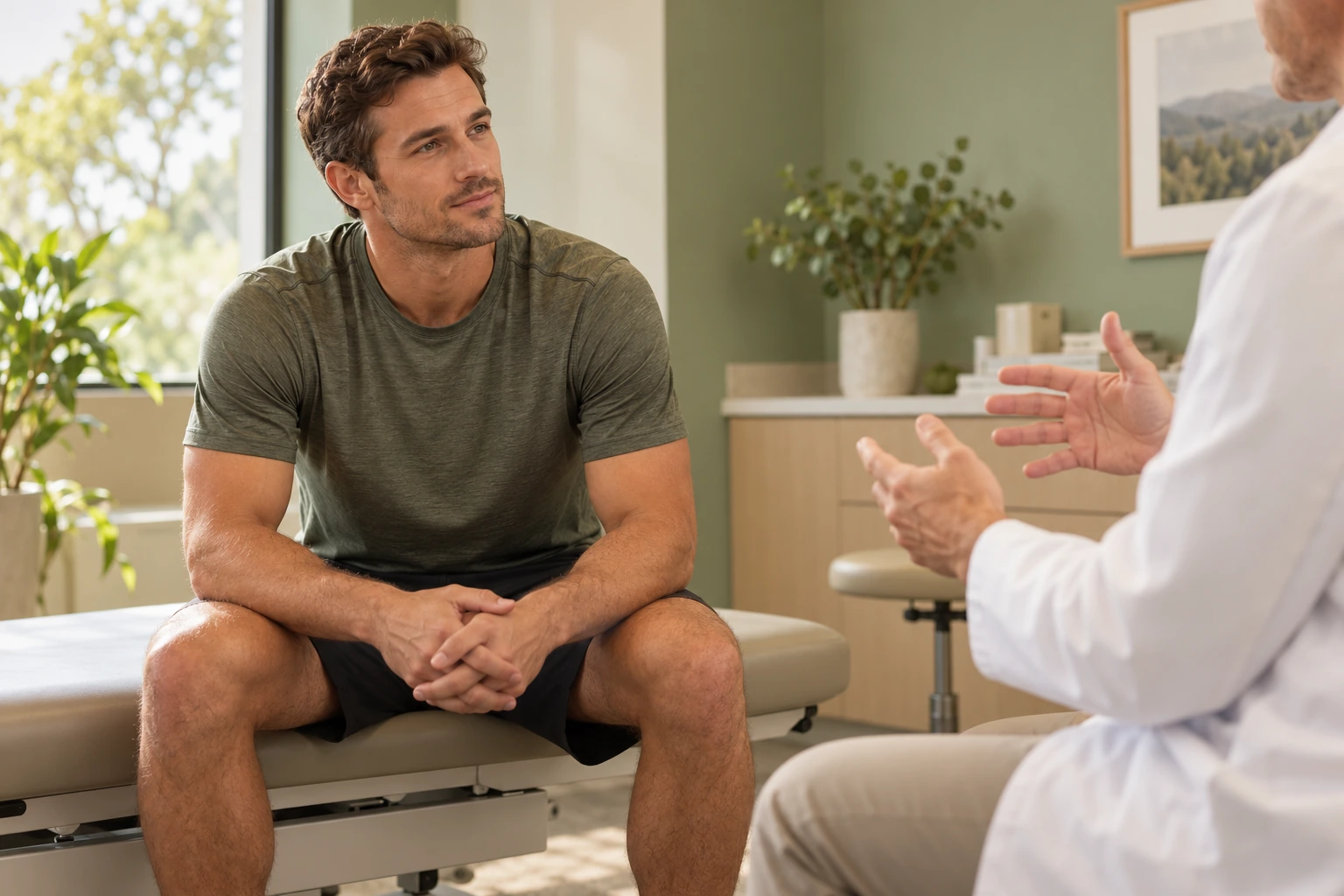
Reconstruction may be discussed when a posterior cruciate ligament rupture results in persistent instability that interferes with daily, professional, or sporting activities despite appropriate management.
- persistent instability
A persistent feeling of loss of control or lack of control may lead to consideration of surgery, after clinical evaluation. - Significant rupture and functional impact
The degree of laxity is assessed through symptoms and examination of the knee. Imaging alone is insufficient to determine the need for intervention. - Associated ligament injuries
Combined injury to other ligaments may require a specific surgical strategy, sometimes in several stages. - Failure of conservative treatment
Structured physiotherapy and, depending on the case, a splint may be tried before proposing reconstruction.
Surgery is not always necessary after a PCL rupture. An isolated injury can sometimes be treated without surgery. The decision also takes into account expectations, activity level, anatomy, and any potential contraindications.
PREPARE FOR THE INTERVENTION
The preparation allows us to confirm the surgical plan, anticipate the needs after the procedure and give the patient instructions adapted to their situation.
PRE-OPERATIVE ASSESSMENT
The surgeon reassesses knee stability and any associated injuries. Imaging tests and analyses may be requested depending on the patient's case. An anesthesia consultation is scheduled before the procedure.
INTERVENTION PLANNING
The choice between reconstruction and repair of a bone avulsion depends on the nature of the injury. The surgeon plans the path and fixation of the graft, taking into account other injuries and any previous surgeries.
PHYSICAL PREPARATION AND PRACTICE
Pre-operative physiotherapy can help regain mobility and strengthen muscles before surgery. It's helpful to prepare your home environment, have crutches ready if prescribed, and arrange for assistance during the first few days.
INSTRUCTIONS BEFORE THE OPERATION
The team will provide instructions regarding fasting, hygiene, and skin preparation. Regular medications should not be stopped without medical advice. It is also recommended to inform the healthcare team if you smoke.
HOW DOES THE PROCEDURE WORK?
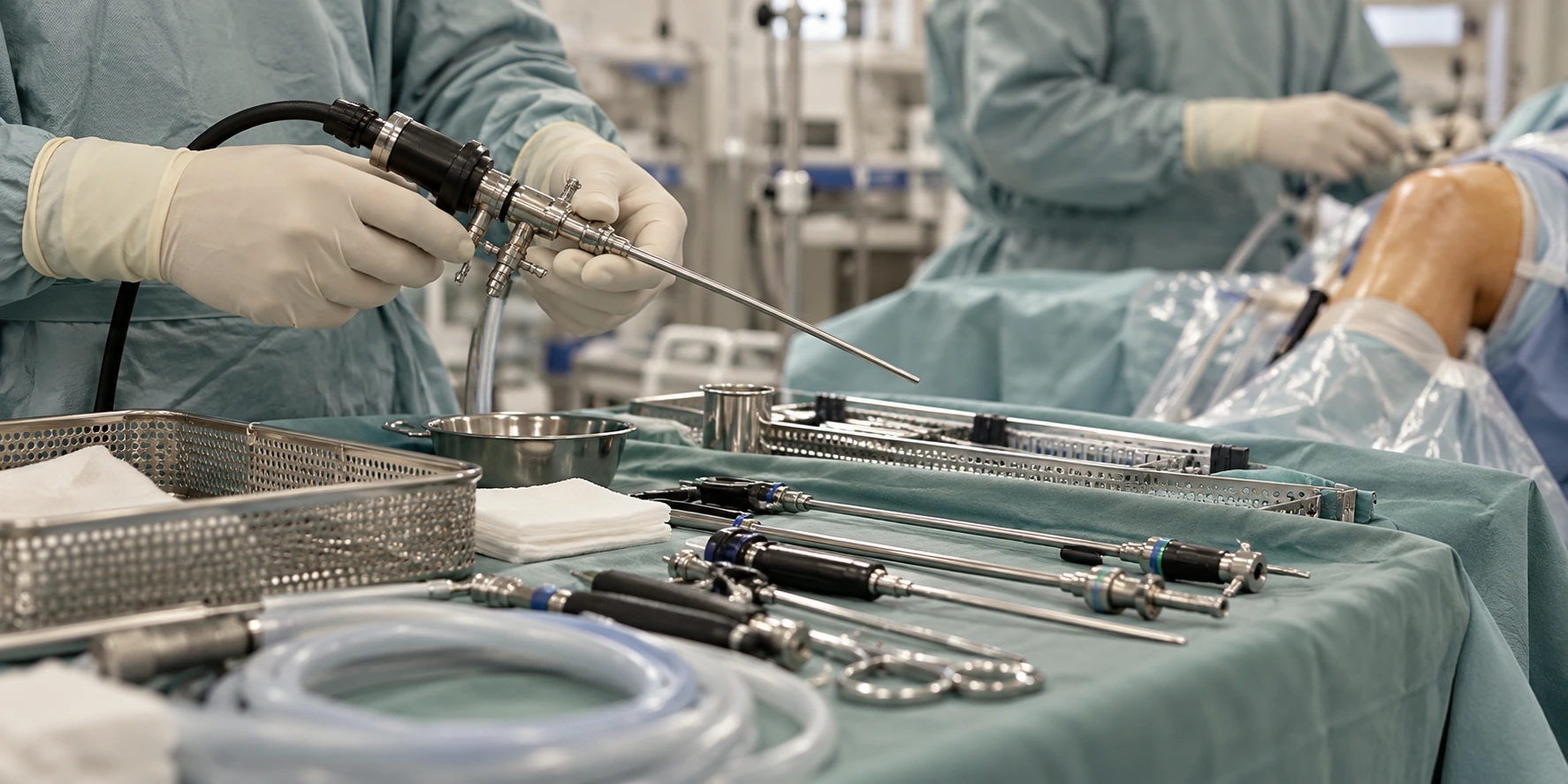
Posterior cruciate ligament surgery is most often performed arthroscopically, sometimes with an additional incision depending on the fixation technique. The procedures vary according to the anatomy, the extent of the injury, and any associated conditions.
INSTALLATION AND ANESTHESIA
The patient is positioned on their back. The procedure is usually performed under general or regional anesthesia, depending on the anesthesiologist's assessment and the patient's medical condition. The knee is prepared under sterile conditions, and the team checks the side being operated on and the surgical plan.
ACCESS TO THE JOINT
Small incisions are made to insert the camera and arthroscopic instruments. The surgeon examines the inside of the knee and locates the ligaments, menisci, cartilage, and other ligaments. Additional incisions may be necessary to prepare or secure the graft.
Treatment of the lesion
If the ligament is torn in the middle, it is usually replaced with a tendon graft. The surgeon creates bone tunnels in the femur and tibia, then passes the graft along the anatomical path of the PCL. Its tension is adjusted, and it is fixed using appropriate devices. In cases of bone avulsion at the ligament's insertion, fixation of the fragment may sometimes be considered. Associated injuries may require additional procedures.
RESULT CONTROL
The surgeon checks the graft's path and tension, the knee's stability, and the resulting mobility. They also verify that the surrounding structures are not affected by the reconstruction. Intraoperative X-rays are not always performed; they depend on the procedure and the materials used.
CLOSURE AND END OF THE PROCEDURE
The instruments are removed, the small incisions are closed and covered with a dressing. A splint may be applied according to the established protocol. The patient is then transferred to the recovery room for postoperative monitoring.
The technical objective is to reconstruct the functional path of the PCL and to fix the graft stably, without interfering with other structures of the knee.
The duration of the procedure and the length of stay vary depending on the procedures performed, any associated injuries, and the clinic's organization. The medical team determines whether the procedure is performed on an outpatient basis or requires hospitalization.
WHICH GRAFT AND WHICH TECHNIQUE TO CHOOSE?
Several methods exist for fixing a graft to the tibia and femur. The choice depends on the shape of the lesion, the anatomy, the surgical history, and the team's experience.
The graft may come from a tendon of the patient or, in certain situations, from a donor. The fixation technique and the use of any associated procedures are decided on a case-by-case basis.
Single-beam reconstruction
This technique primarily reconstructs the anterolateral bundle of the PCL, which significantly contributes to knee stability. It can be chosen depending on the injury and surgical objectives. It does not always reconstruct the two anatomical bundles separately.
Dual-beam reconstruction
Two bundles are reconstructed to more closely approximate the anatomical organization of the ligament. This approach can be considered in certain situations, but it involves more complex planning and procedures.
Fixing the graft to the tibia
In a transtibial reconstruction, the graft passes through a tibial bone tunnel. Another possibility is the so-called "inlay" technique, which fixes the graft to the back of the tibia. This latter technique can be considered depending on the anatomy and the risk of significant curvature of the graft at the edge of the tunnel.
Graft selection and fixation
A tendon harvested from the patient or a donor graft can be used. The choice depends in particular on the quality of the tissues, previous surgeries, and associated procedures. Screws or other fixation systems can hold the graft in place during the healing process.
No single technique is suitable for all patients: the choice is based on the examination, imaging and functional objectives.
AFTER THE PROCEDURE: THE FIRST STEPS
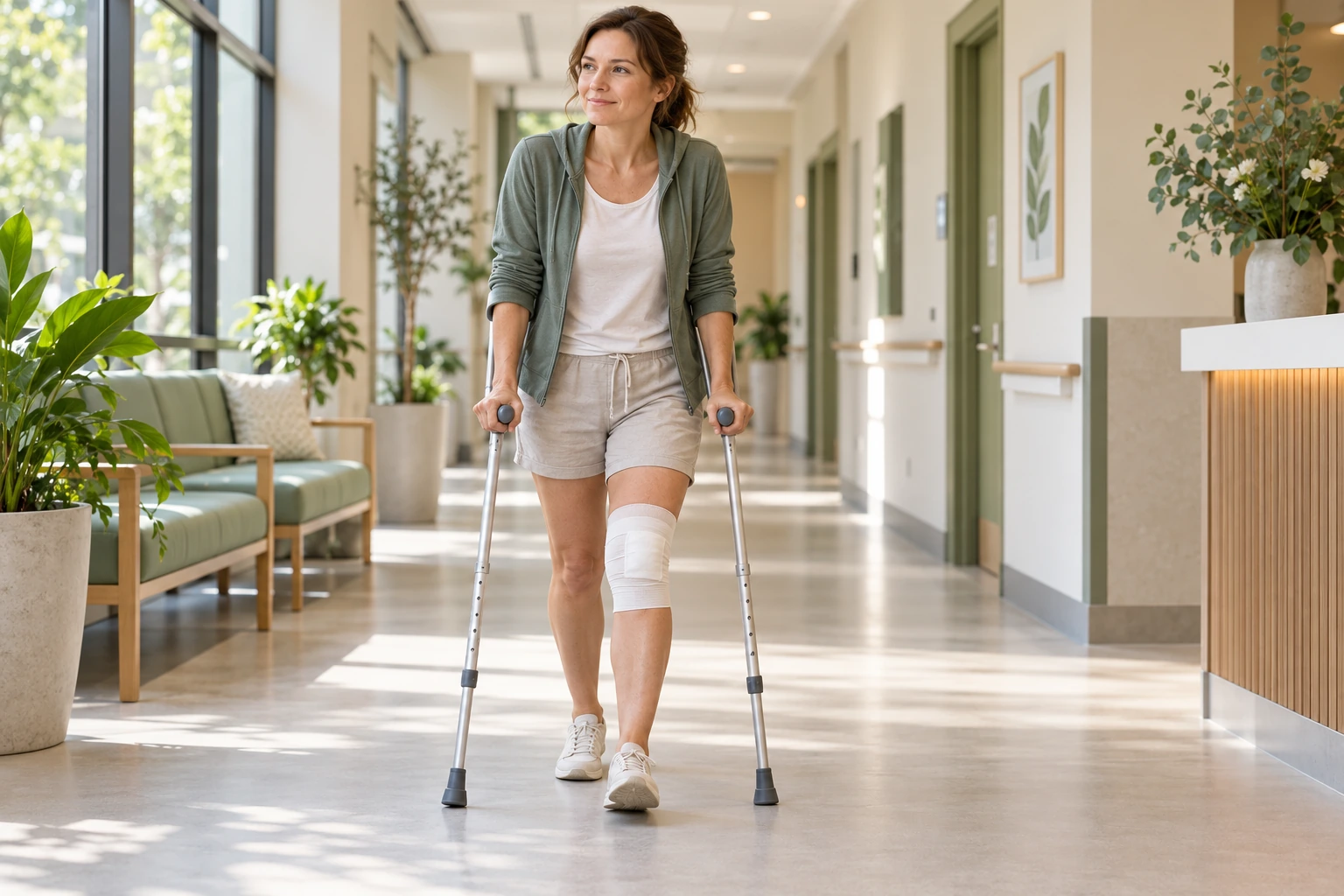
After surgery, the team monitors the patient's overall condition, the knee, and pain levels. The resumption of movement and weight-bearing is supervised according to the type of reconstruction and any associated injuries.
Instructions are individualized. Protecting the graft, controlling swelling, and gradually regaining mobility are important elements in the first few days.
WAKE-UP AND PAIN ROOM
Monitoring focuses on pain, dressing changes, and circulation in the limb. Medication is offered to relieve pain and reduce nausea if necessary.
Knee mobilization and protection
Physiotherapy begins according to the team's instructions. A splint and crutches may be prescribed. Weight-bearing and range of motion are gradual, as it is important to prevent the tibia from shifting backward during the initial healing phase.
RETURN HOME AND MONITORING
Discharge is arranged when the patient's condition and pain management allow. The team explains dressing changes, follow-up appointments, and signs requiring medical attention. The length of stay depends on the procedure and the individual situation.
REHABILITATION AND RESUMPTION OF ACTIVITIES
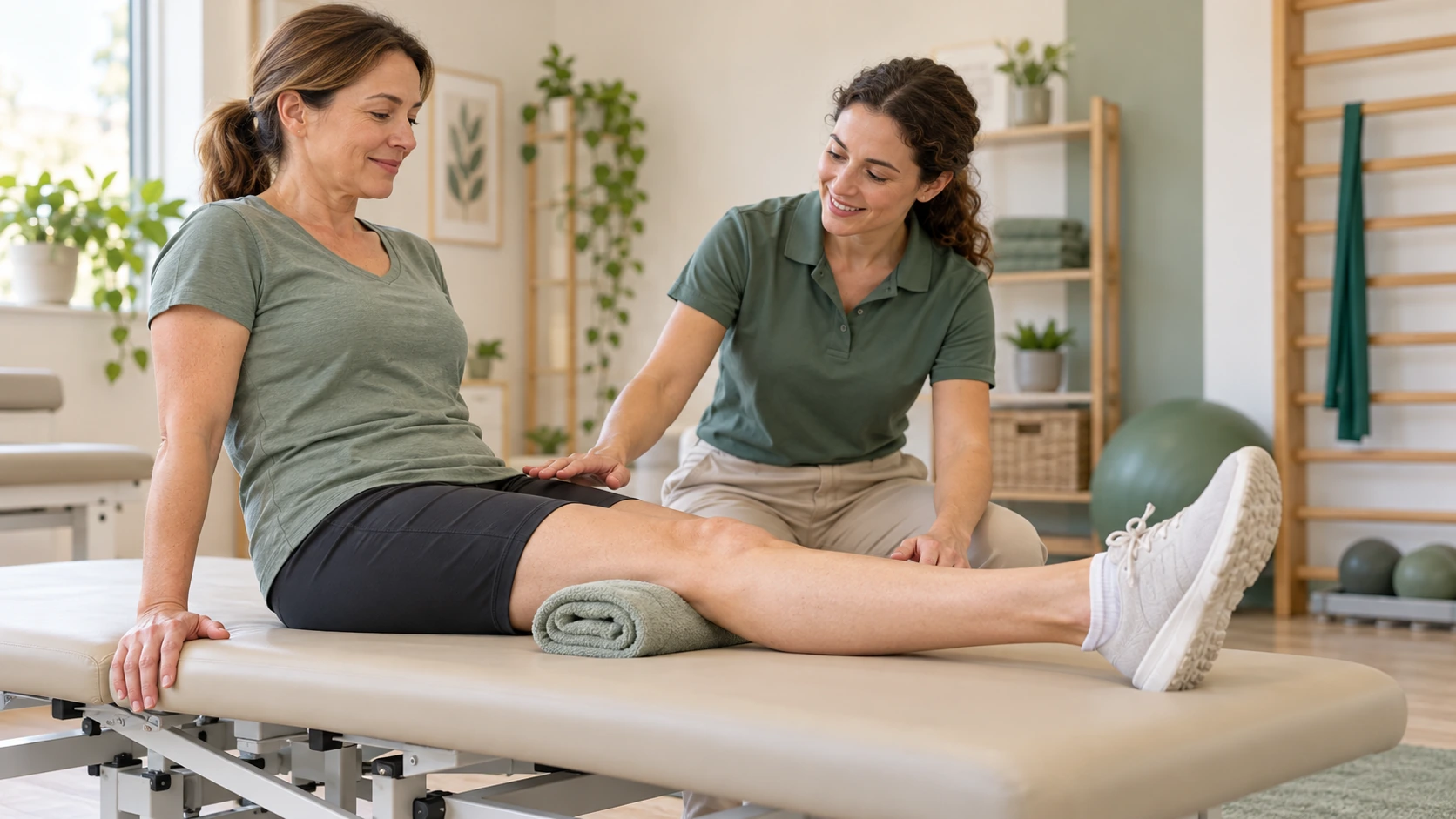
Physiotherapy supports the recovery of knee mobility, strength, and control. The treatment steps are adjusted according to graft fixation, associated procedures, and clinical progress.
- Mobility and walking
The initial exercises respect the prescribed flexion limits and protect the tibia from backward displacement. Crutches are used until walking is sufficiently safe and controlled. Progression of weight-bearing and discontinuation of the brace will follow the instructions of the surgeon and physiotherapist. - Muscle strengthening
Quadriceps function and neuromuscular control are developed progressively. Exercises heavily involving the hamstrings may be delayed or modified initially, as their contraction can pull the tibia backwards. - Driving, work and sport
Driving, returning to work, and resuming sports depend on mobility, strength, pain levels, the demands of the activity, and medical clearance. Sports involving changes of direction or contact are resumed later, after functional assessments and supervised progression; no single timeline is suitable for everyone.
EXPECTED RESULTS, LIMITATIONS AND RISKS
The decision is based on an individualized comparison between the expected functional benefit, the constraints of rehabilitation and the operative risks.
OBJECTIVES AND EXPECTED RESULTS
Reconstruction aims to improve knee stability and facilitate a return to activities tailored to the patient. The outcome develops through graft healing and ongoing rehabilitation; surgery does not guarantee an exact return to the previous condition.
Boundaries
Recovery varies. Residual discomfort, stiffness, or instability may persist, particularly in cases of associated or previous injuries. The graft takes time to integrate, and rehabilitation plays a significant role in the functional outcome.
Risks and complications
Like any surgery, reconstruction carries risks, including infection, hematoma, phlebitis, stiffness, persistent pain, or complications related to anesthesia. Nerve or vascular damage is rare but possible. The graft may not heal as expected, remain insufficiently taut, or rupture again; further surgery may then be considered. The team implements preventative measures and provides appropriate follow-up care.
AN INTERVENTION TAILORED TO EACH PATIENT
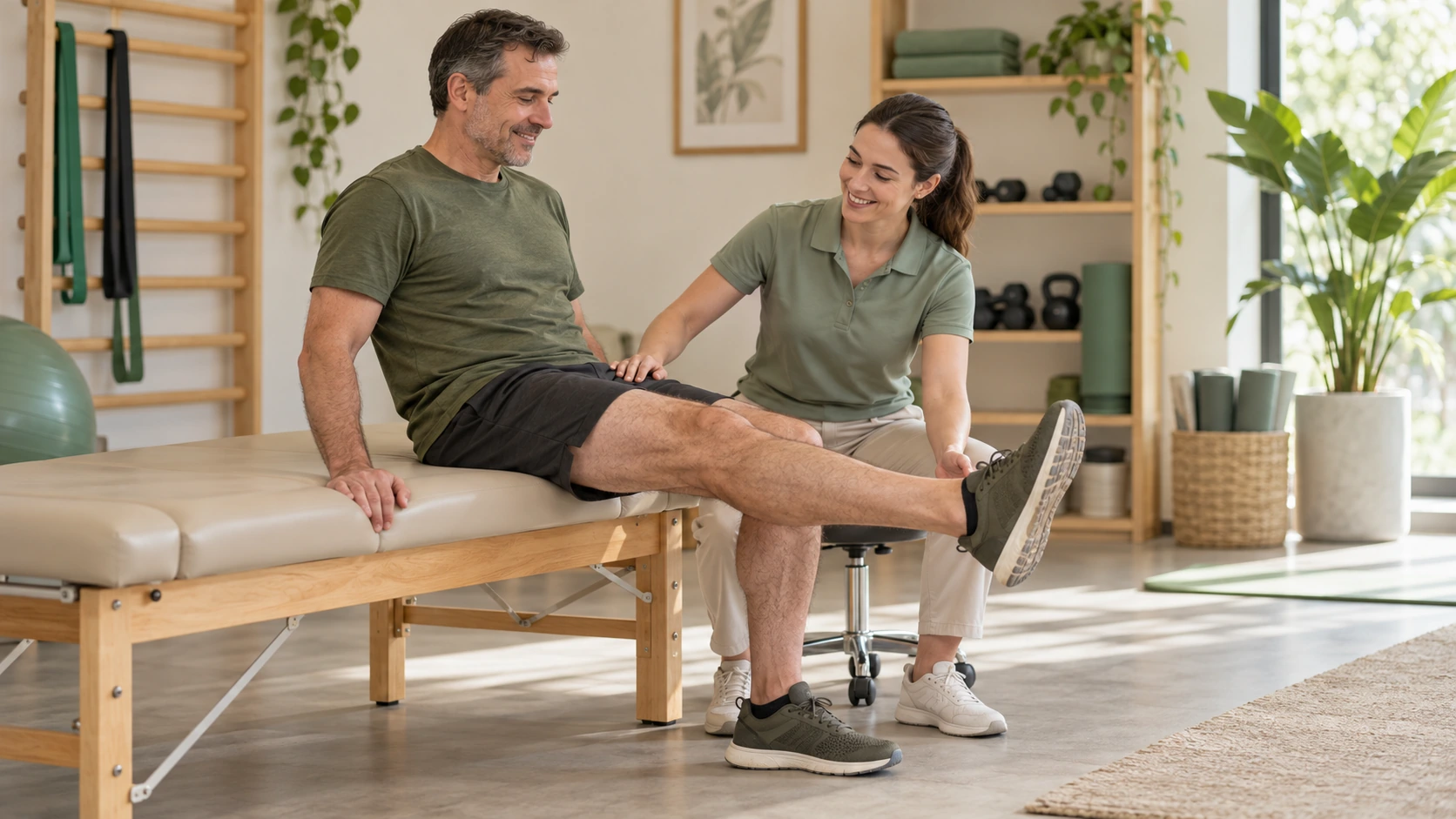
Two people with a posterior cruciate ligament rupture can have very different symptoms and needs. Therefore, surgery is not chosen based solely on imaging findings.
Dr. Benoît Coulin takes into account the patient's age, anatomy, tissue quality, degree of instability, associated injuries, previous treatments, occupation, sports activities, and objectives.
The technique, timing of the intervention, and recovery program are defined based on these elements. The plan can also be adapted according to the response to rehabilitation and the findings during the operation.
«"The right strategy is the one that addresses the patient's actual discomfort and objectives, while protecting their knee as much as possible."»
FREQUENTLY ASKED QUESTIONS
WERE YOU OFFERED LCP SURGERY?
A consultation allows us to examine knee stability, analyze tests performed, and discuss treatment options, including physiotherapy and surgery, depending on your situation.
