

ANTERIOR CRUCIATE LIGAMENT (ACL) SURGERY
Anterior cruciate ligament (ACL) surgery most often involves reconstructing the torn ligament using a tendon graft. Usually performed arthroscopically, it aims to restore functional stability to the knee, particularly during pivoting movements and changes of direction.
The indication for surgery depends on the perceived instability, the results of the clinical examination, any associated injuries, the activities you wish to resume, and the progress following non-surgical management. A rupture visible on imaging is not, on its own, sufficient to decide on surgery.
UNDERSTANDING ANTERIOR CRUCIATE LIGAMENT SURGERY
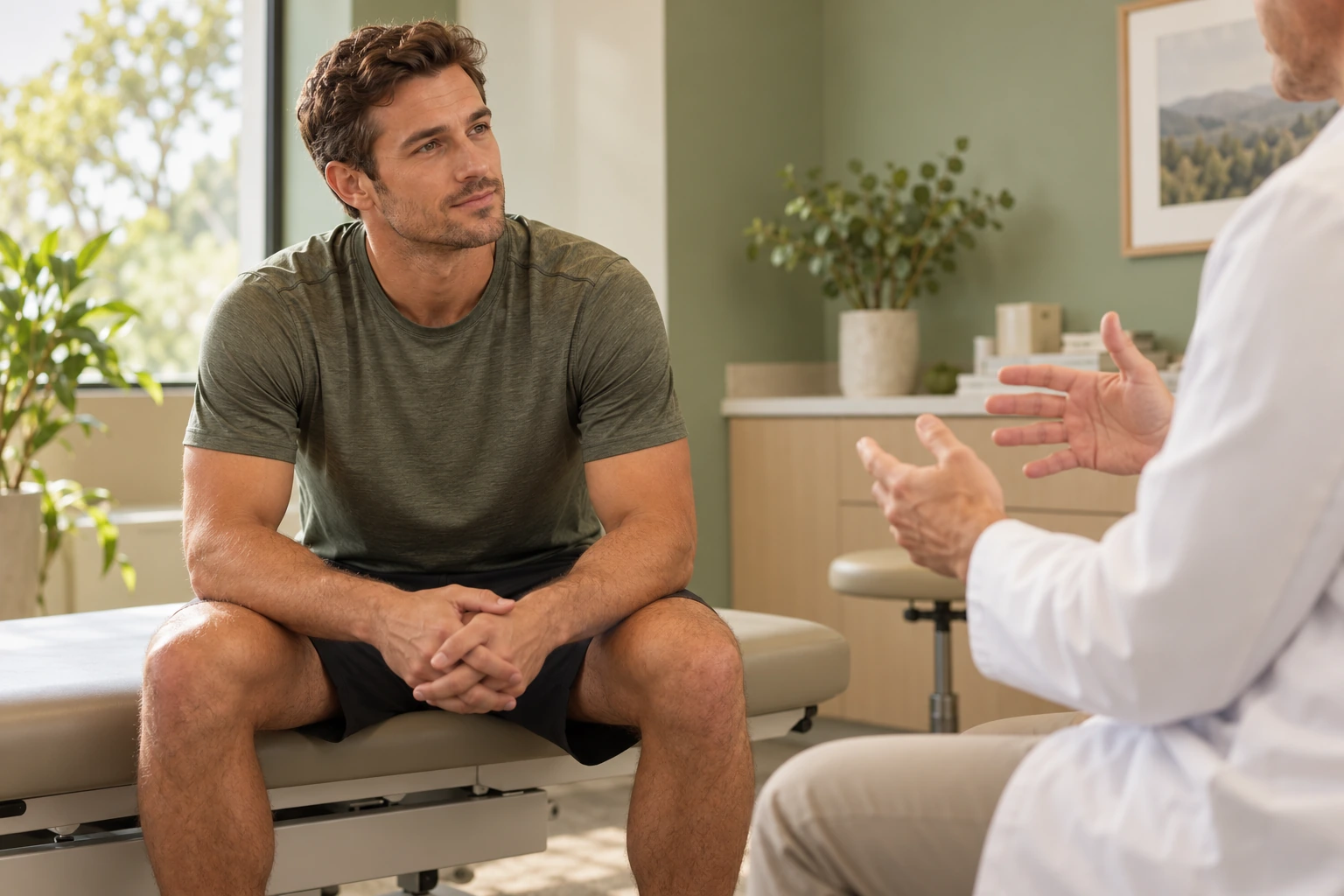
WHEN TO CONSIDER ANTERIOR CRUCIATE LIGAMENT SURGERY?
Anterior cruciate ligament surgery may be discussed when The breakdown leads to instability that disrupts activities daily activities or activities involving pivoting are prevented. The decision also takes into account associated injuries, the patient's activity level, and their goals. Surgery is not always required after an ACL rupture.
- Persistent knee instability
Repeated episodes of loss of balance despite appropriate physiotherapy may lead to discussion of reconstruction. - Resumption of activities with pivots
Surgery may be considered if the person wishes to resume sports or a professional activity requiring changes of direction and good knee stability. - Associated lesions
Meniscal or cartilage damage may alter the treatment strategy and timeline. Imaging findings must be interpreted in conjunction with symptoms and clinical examination. - Functional impairment despite rehabilitation
If the knee remains unstable or if functional goals are not achieved after non-surgical management, surgery may be discussed.
Surgery is not always necessary after an ACL rupture. It may not be indicated if the knee is functionally stable and if the desired activities are compatible with conservative management. The choice depends on an individual assessment.
→ Discover the anterior cruciate ligament and its treatment options
PREPARE FOR THE INTERVENTION
The preparation phase allows for confirmation of the surgical plan, organization of the anesthesia, and anticipation of the initial steps for returning home. Pre-operative physiotherapy may be recommended to work on mobility and muscle activation.
PRE-OPERATIVE ASSESSMENT
The surgeon will reassess knee mobility and stability, review available imaging studies, and look for any associated injuries. Additional tests or examinations may be requested depending on your health. The anesthesia consultation will allow you to discuss the available options and your medical history.
INTERVENTION PLANNING
The choice of graft and its fixation takes into account your anatomy, your activities, the quality of your tissues, and any associated procedures, particularly those involving the meniscus. The surgeon will explain the options and their limitations.
PHYSICAL PREPARATION AND PRACTICE
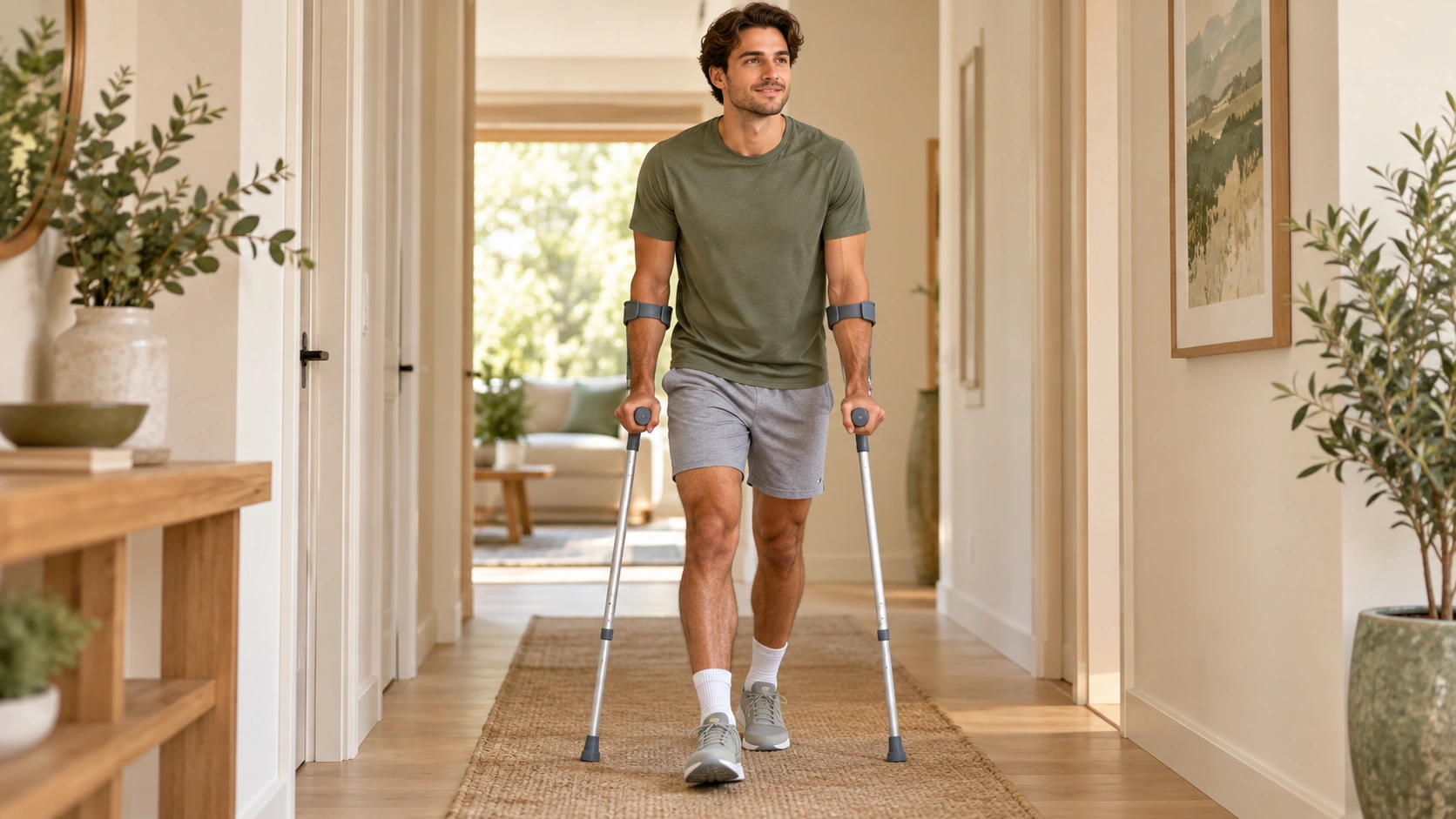
When indicated, preoperative physiotherapy aims in particular to restore good knee extension and activate the thigh muscles. It is helpful to plan for the return home and to provide crutches if recommended by the team. Specialist guidelines advise preparation tailored to the patient's mobility and muscle activation.
INSTRUCTIONS BEFORE THE OPERATION
The team will provide you with instructions regarding fasting, hygiene, and skin preparation. Inform them of any medications or supplements you are taking; do not stop them without medical advice. If you smoke, discuss this with the healthcare team, as tobacco can impair healing.
HOW DOES THE PROCEDURE WORK?
Anterior cruciate ligament surgery is usually performed arthroscopically. The procedure varies depending on the graft chosen, the anatomy of the knee, and any associated injuries.
INSTALLATION AND ANESTHESIA
The patient is positioned on their back. General or regional anesthesia may be offered, sometimes in combination, depending on the anesthesiologist's assessment and the medical context. The team prepares and disinfects the surgical area, then verifies the patient's identity, the side to be operated on, and the surgical plan.
ACCESS TO THE JOINT
The surgeon inserts a camera into the knee through a small incision and instruments through other small incisions. This arthroscopy allows the joint to be examined and the condition of the ligaments, menisci, and cartilage to be checked.
SAMPLING AND RECONSTRUCTION
If an autograft is chosen, the surgeon harvests the desired tendon, for example from the hamstrings, patellar tendon, or quadriceps tendon, and then prepares it to form the graft. Small bone tunnels are then created in the tibia and femur. The graft is passed through these tunnels along a path designed to replicate the function of the ACL and then fixed using appropriate devices. If a meniscal tear or other injury requires an additional procedure, this can be performed during the same operation.
RESULT CONTROL
Using arthroscopy, the surgeon checks the position and tension of the graft, its fixation, as well as the stability and mobility of the knee. They also inspect the surrounding structures and treat any associated injuries as outlined in the surgical plan.
CLOSURE AND END OF THE PROCEDURE
The instruments are removed, the small incisions are closed, and then covered with a dressing. A splint may be prescribed depending on the procedures performed and the postoperative instructions. The patient is then transferred to the recovery room for monitoring.
Anterior cruciate ligament surgery aims to replace the torn ligament with a properly positioned and fixed graft in order to improve the functional stability of the knee.
The duration of the procedure depends on the graft and any associated procedures. Isolated surgery can often be performed on an outpatient basis or with a short hospital stay, depending on the clinic's organization and the patient's situation.
WHICH GRAFT AND WHICH TECHNIQUE TO CHOOSE?
Several tendons can be used to reconstruct the ACL. The choice of graft depends on the patient's profile, activities, anatomy, and any associated injuries. Hamstring tendons, the patellar tendon, or the quadriceps tendon may be considered.
Reconstruction is usually carried out under arthroscopy. The graft is held in bone tunnels by a suitable fixation system. The surgeon chooses the technique according to the clinical situation and explains the advantages and limitations of the options selected.
HAMSTRING GRAFTING
This graft is taken from tendons located at the back of the thigh. It may be suitable depending on the patient's profile and the surgical strategy. The procedure may cause temporary discomfort or weakness in the affected muscles; recovery is supported by physiotherapy.
PATELLAR TENDON GRAFT
A portion of the patellar tendon, with small bone blocks at its ends, can be used. This option allows for bone fixation of the graft within the tunnels. However, it may be accompanied by pain at the front of the knee or tenderness when kneeling in some individuals.
QUADRICEPITUAL TENDON GRAFT
A portion of the quadriceps tendon is another option. The harvesting and fixation are adapted to the chosen technique. Progressive quadriceps strength training is part of postoperative physiotherapy.
FIXATION AND ASSOCIATED GESTURES
Fixation devices hold the graft in the bone tunnels during healing. If the examination reveals a meniscal tear or specific rotational instability, further intervention may be considered. This is not always necessary and depends on the knee assessment.
No single graft or fixation system is suitable for everyone: the choice depends on anatomy, objectives, and associated lesions.

AFTER THE PROCEDURE: THE FIRST STEPS
After surgery, the team monitors the patient's awakening, pain levels, and overall condition. Physiotherapy is often scheduled within the first few days to begin restoring mobility and muscle activation.
The instructions vary depending on the graft, the stability obtained, the associated procedures and the general condition of the patient.
WAKE-UP AND PAIN ROOM
Monitoring focuses on pain, dressing changes, and limb sensitivity. Appropriate treatment may be offered to manage pain and nausea. Food and drink are resumed when the team approves.
SUPPORT, WALKING AND SPLINTING
Weight-bearing and the use of crutches depend on the surgeon's instructions and any associated procedures, particularly if a meniscal repair is necessary. A splint may be prescribed in certain situations. The physiotherapist will guide the initial mobilization efforts and explain how to walk safely.
RETURN HOME AND MONITORING
Outpatient care or a short hospital stay may be arranged depending on the clinic's organization and the patient's situation. The team will specify the dressing care instructions, scar monitoring, and the date of the first follow-up appointment. Contact them if you experience an unusual increase in pain or swelling, fever, wound drainage, or any other concerning symptoms.
→ Read about the steps of rehabilitation after ligament reconstruction
REHABILITATION AND RETURN TO ACTIVITIES
Rehabilitation is a essential step after anterior cruciate ligament surgery. It progresses according to recovery and the team's instructions. Specialist recommendations advise a individualized progression, based on the patient's functional abilities and goals.
Initially, the goals are to control pain and swelling, protect the incisions, gradually regain full extension and flexion, and reactivate the thigh muscles. The exercises are tailored to the instructions related to the graft and any associated procedures.
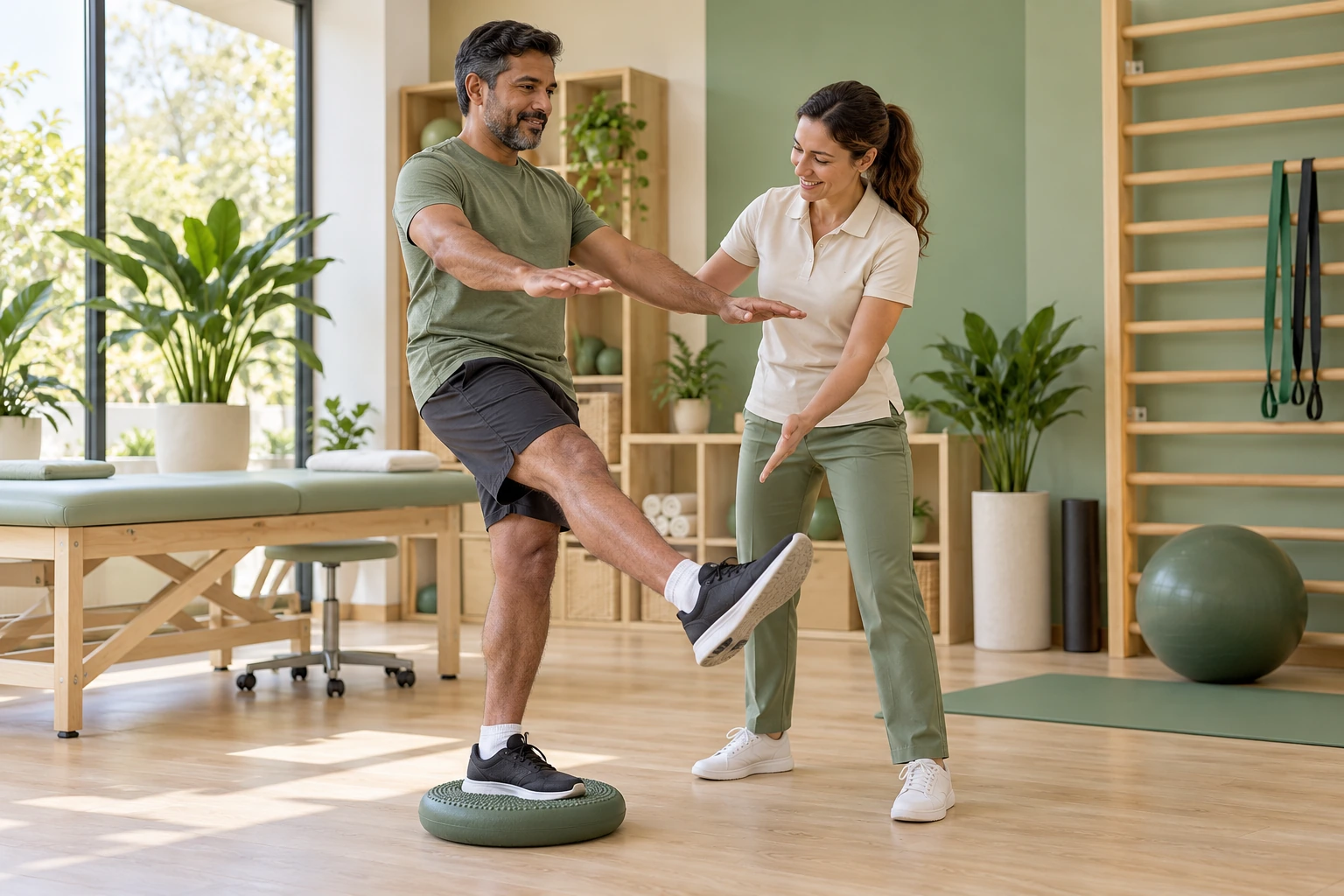
The continuation of physiotherapy may include muscle strengthening, balance, coordination and movement control. Walking, stairs, driving and work are resumed according to mobility, strength, ability to control the leg and the requirements of each activity.
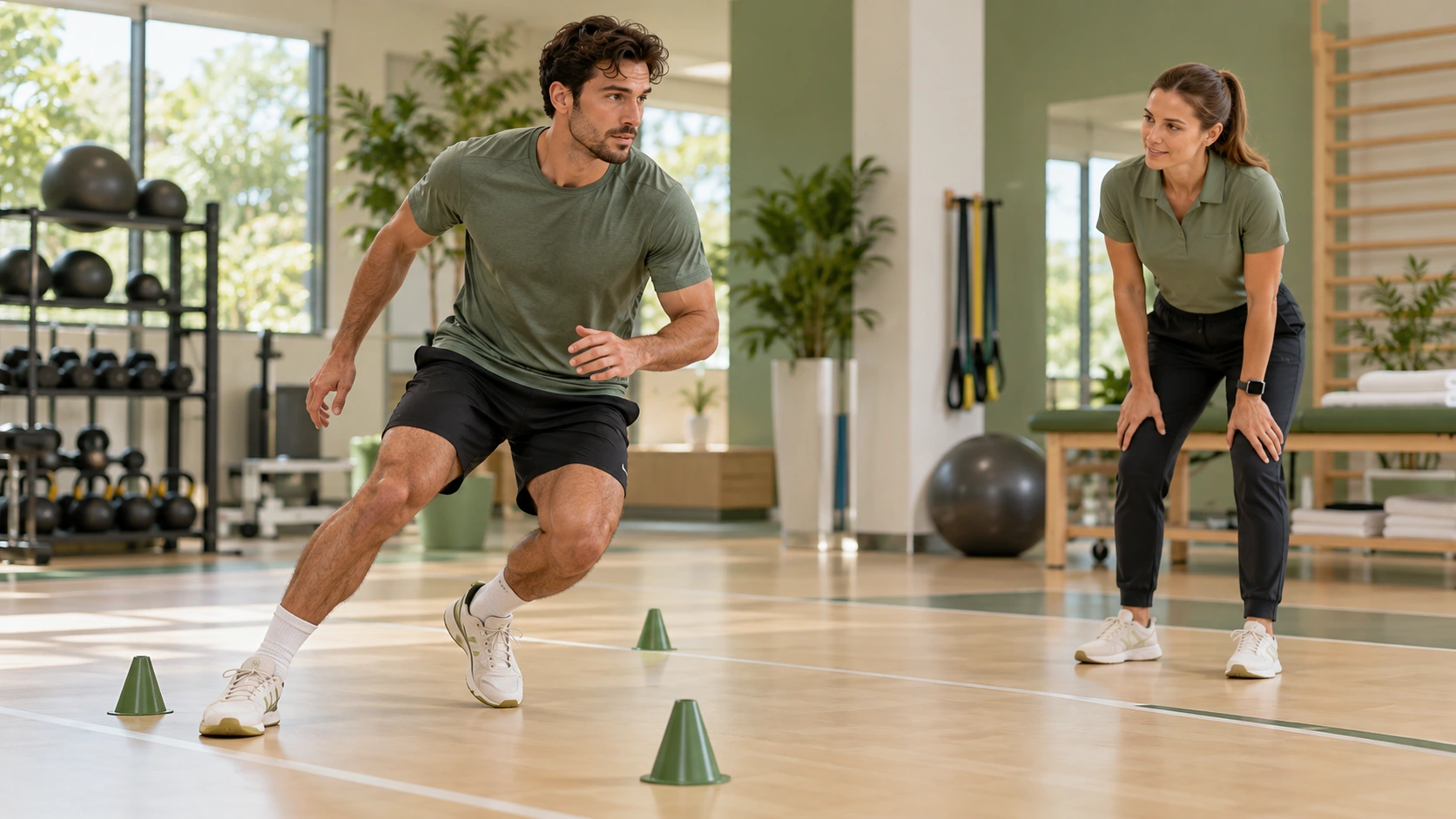
Returning to sport is a gradual process: exercises without pivoting are not equivalent to changes of direction, jumps, or contact sports. The return to activity takes into account strength, mobility, stability, functional tests, the patient's confidence, and medical advice. It often takes several months and can be situated between 6 and 12 months for pivot sports, but this benchmark does not constitute a universal timeframe.
Resuming sport depends on functional criteria and medical validation, not solely on the time elapsed.
→ Understanding the stages of rehabilitation after ligament reconstruction
EXPECTED RESULTS, LIMITATIONS AND RISKS
The decision weighs the expected functional benefit, the limitations of reconstruction, and the risks specific to each situation.
OBJECTIVES AND EXPECTED RESULTS
Reconstruction aims to improve knee stability and allow a gradual return to activities compatible with the knee's condition. Regaining mobility, strength, and confidence also depends on physiotherapy and adherence to the recovery phases.
BOUNDARIES
The outcome varies depending on the patient and any associated injuries. Reconstruction does not guarantee a return to previous athletic performance and does not prevent all new injuries. Pain, swelling, or stiffness may persist. Recovery depends in particular on graft integration, rehabilitation, and the demands of the resumed activities.
RISKS AND COMPLICATIONS
Like any surgical procedure, reconstruction carries risks, including infection, hematoma, phlebitis, stiffness, persistent pain, or complications related to graft harvesting. A new rupture or residual instability is also possible; further surgery may sometimes be necessary. The team implements preventative measures and organizes follow-up care to quickly identify any complications.
AN INTERVENTION TAILORED TO EACH PATIENT
Two patients with an ACL rupture do not necessarily require the same strategy. Some people regain satisfactory function with non-surgical management, while others retain instability that leads to consideration of reconstruction.
Dr. Benoît Coulin takes into account age, anatomy, tissue quality, the extent of the tear, meniscal or cartilage damage, activity level, profession, previous treatments, and personal goals. These factors guide the choice of graft, the timing of the procedure, and any associated interventions.
The technique and recovery program are tailored to the patient. Progress in physiotherapy and the resumption of activities are adjusted according to knee stability, surgical instructions, and the results of follow-up appointments.
«"The goal is to choose an anterior cruciate ligament surgery that suits your knee, your activities, and your objectives."»
FREQUENTLY ASKED QUESTIONS
IS YOUR KNEE STILL UNSTABLE AFTER AN ACL RUPTURE?
A clinical examination and analysis of imaging allow us to discuss the indication, compare the possibilities and choose a strategy adapted to your profile and objectives.
