
What is early-onset osteoarthritis?
When we talk about’osteoarthritis, Many people imagine that this disease only appears after the age of 60 or 70. However, early-onset osteoarthritis can affect much younger patients. In some cases, the first signs appear as early as 40, or even before.
Early-onset osteoarthritis corresponds to a more rapid degradation of cartilage than that usually observed with aging. This wear and tear gradually causes pain, a loss of mobility and sometimes a significant decrease in quality of life.
Although age remains a risk factor, it does not alone explain why some people develop early osteoarthritis while others maintain healthy joints for many years.
Why do some people develop it?
The onset of early osteoarthritis is generally multifactorial. Several factors can accelerate cartilage degradation over the years.
THE factors The most frequent ones are:
- joint injuries; ;
- sports injuries; ;
- certain anatomical anomalies; ;
- overweight; ;
- genetics; ;
- certain very physical professional activities.
When several of these factors are combined, the risk increases considerably.
Trauma: a major cause
Joint trauma is one of the main causes of early-onset osteoarthritis.
An old injury can permanently alter the function of a joint, even after an apparently complete recovery.
The highest risk situations are:
- a rupture of the anterior cruciate ligament; ;
- a meniscal lesion; ;
- a joint fracture; ;
- repeated sprains.
At the level of the knee, a ACL rupture or partial removal of a meniscus significantly increases the risk of developing osteoarthritis several years after the trauma.
And what about athletes?
Contrary to popular belief, sport is beneficial for the joints when practiced appropriately. However, some intensive activities can contribute to osteoarthritis, especially when combined with repeated injuries.
Sports involving:
- frequent impacts; ;
- rapid changes of direction; ;
- repeated pivots; ;
- Regular joint trauma can increase the stresses exerted on the cartilage.
Football, rugby, skiing, and certain competitive sports are often affected when injuries accumulate over the years.
Do anatomical abnormalities promote early osteoarthritis?
Yes. Some people naturally have anatomical features that increase the stress on their joints.
For example :
- bowed legs; ;
- valgus legs; ;
- a femoroacetabular conflict; ;
- knee alignment problems.
These abnormalities can lead to an uneven distribution of loads and promote osteoarthritis of the knee or hip.
In some cases, these problems exist from adolescence but only become symptomatic in adulthood.
The role of weight in early osteoarthritis
THE overweight constitutes one of the most important factors in the development of osteoarthritis.
Each additional kilogram increases the mechanical stress on weight-bearing joints such as the knee and hip.
Over time, this overload accelerates cartilage wear and promotes the onset of pain.
Even moderate weight loss can often reduce symptoms and slow the progression of osteoarthritis.
What are the first symptoms of early osteoarthritis?
The first signs are often subtle. This is one of the reasons why diagnosis is sometimes delayed.
The most common symptoms are:
- pain after exertion; ;
- discomfort when walking; ;
- stiffness upon waking; ;
- a gradual decrease in mobility; ;
- a feeling of less flexible joints.
Initially, the pain usually disappears with rest. Over time, it can become more frequent and more debilitating.
Which joints are most affected?
Early-onset osteoarthritis can affect multiple joints.
The knee
The knee is one of the most commonly affected joints. Patients often describe:
- pain when walking; ;
- an inconvenience on the stairs; ;
- sometimes swelling of the knee.
A history of ligament or meniscal injuries greatly increases the risk.
The hip
Hip osteoarthritis often manifests as groin pain, stiffness, or a progressive decrease in mobility.
Certain anatomical abnormalities, such as femoroacetabular impingement, explain many cases of early hip osteoarthritis.
The role of diagnosis
In the event of suspected early osteoarthritis, a rapid diagnosis is essential.
The doctor performs a complete clinical examination and may ask:
- an X-ray; ;
- an MRI in certain situations; ;
- Further examinations if necessary.
Identifying early signs of osteoarthritis allows action to be taken before the wear and tear becomes too significant.
What treatments are available for early-onset osteoarthritis?
Even though cartilage cannot be completely regenerated, several solutions can slow the progression of early osteoarthritis.
Treatment is generally based on:
- adapted physical activity; ;
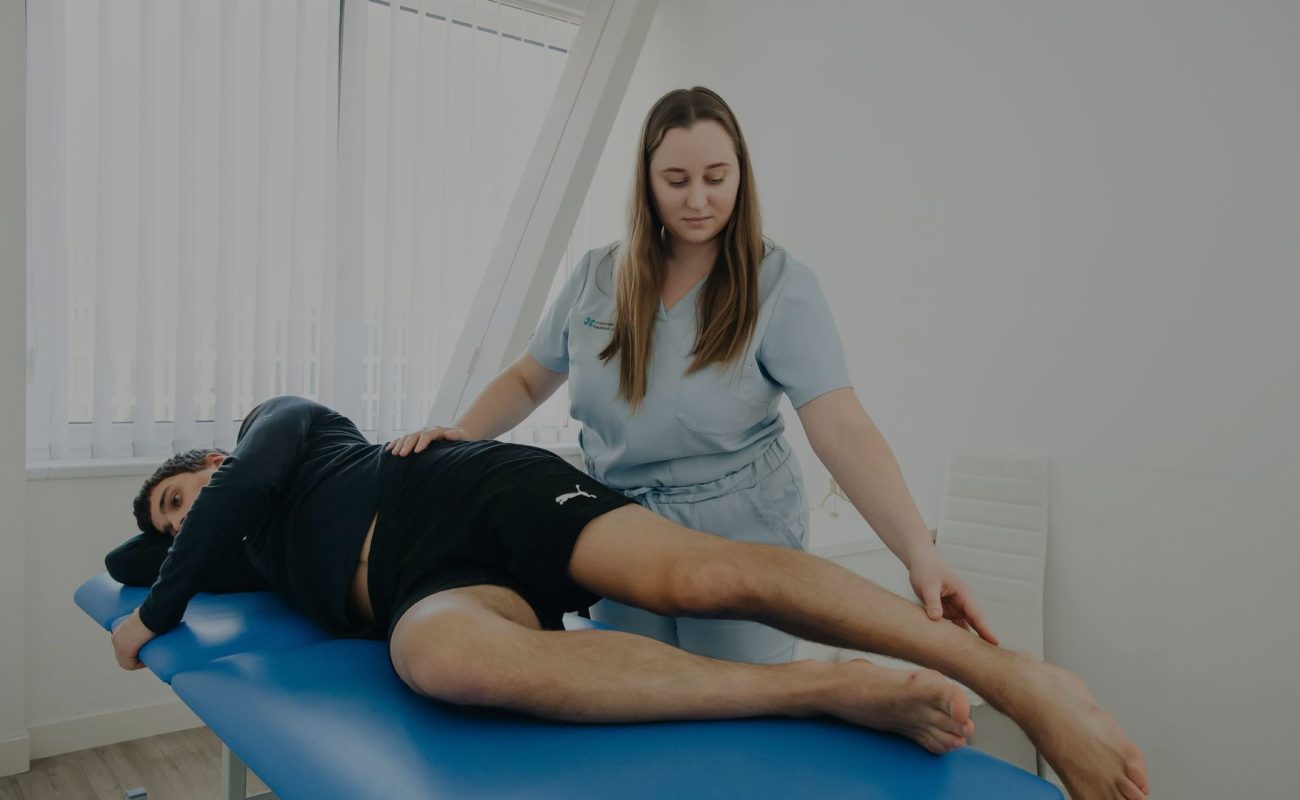
- physiotherapy; ;
- muscle strengthening; ;
- weight loss if necessary; ;
- hyaluronic acid injections; ;
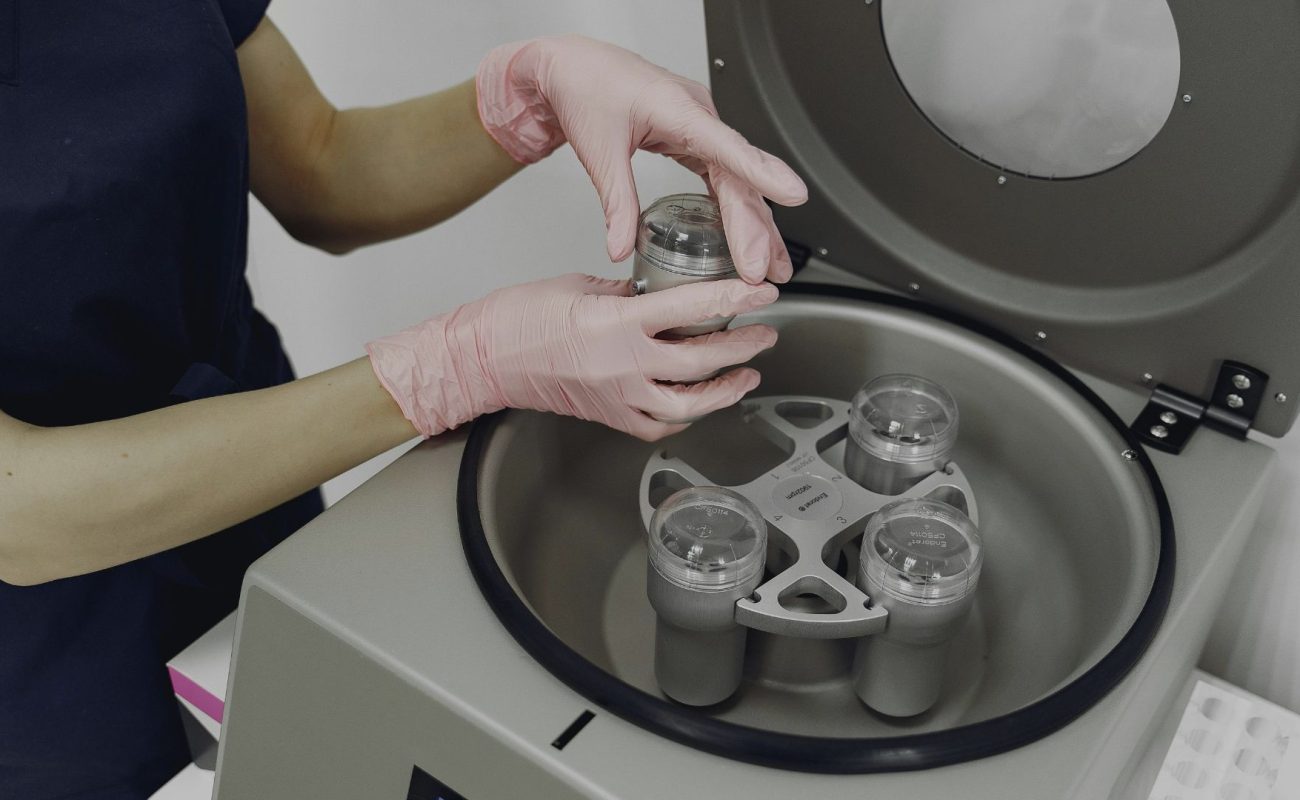
- PRP or certain biological treatments.
When wear and tear becomes significant, surgical solutions can be considered to preserve the joint or replace it with a prosthesis.
Can early-onset osteoarthritis be prevented?
It is not always possible to completely avoid early-onset osteoarthritis, especially when there is a genetic predisposition.
However, several measures can reduce the risk:
- maintain a healthy weight; ;
- properly treat joint injuries; ;
- strengthen the muscles around the joints; ;
- maintain regular physical activity; ;
- Consult a doctor promptly if the pain persists.
These measures play an important role in preventing early osteoarthritis and maintaining good joint function.
Conclusion
Early-onset osteoarthritis is affecting more and more people from the age of 40. Contrary to popular belief, it is not solely linked to age. Trauma, sports injuries, anatomical abnormalities, excess weight, and even genetics can contribute to the development of osteoarthritis well before retirement.
Recognizing the early symptoms and obtaining an early diagnosis allows for swift action. With appropriate management, it is often possible to slow the progression of osteoarthritis, preserve mobility, and avoid more invasive long-term treatments.