
Why try to avoid a prosthesis?
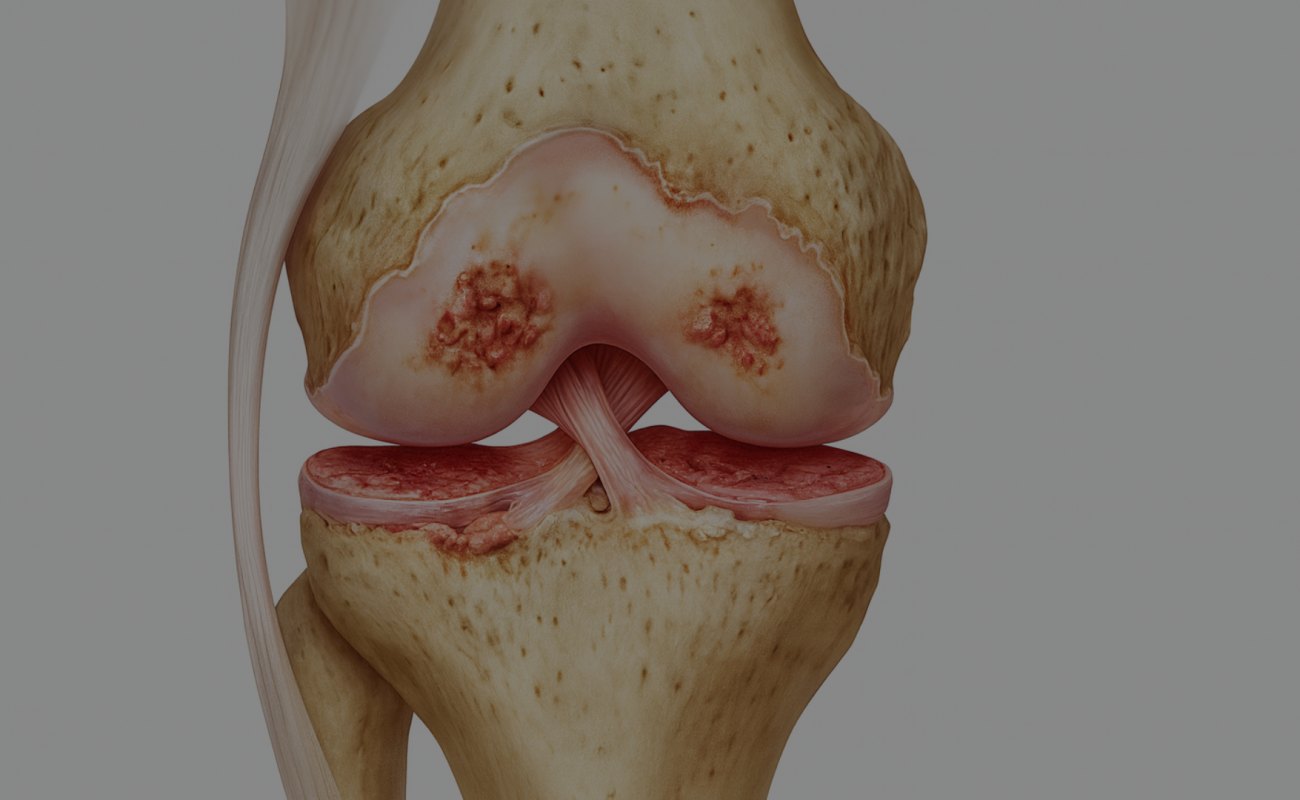
When a osteoarthritis When knee or hip problems progress, many patients quickly consider surgery. However, prosthesis implantation is generally only considered after the failure of other treatments. conservative treatments.
Today, there are many strategies that allow us to avoid a prosthesis or at least postpone this procedure for several years.
The goal is not simply to reduce pain, but also to preserve mobility, maintain physical activity and preserve a good quality of life.
For patients who are still active, athletic or relatively young, avoiding a prosthesis is often a priority in order to preserve their natural joint for as long as possible.
Regular follow-up with Dr. Coulin allows this strategy to be adjusted over time, depending on the evolution of the osteoarthritis and the patient's needs.
In what cases can a prosthesis be avoided?
The possibility of avoiding a prosthesis depends mainly on the stage of osteoarthritis and the general condition of the joint.
The best results are observed when:
- the osteoarthritis is early or moderate; ;
- part of the cartilage is still preserved; ;
- the joint remains mobile; ;
- The pain is present but not totally debilitating.
The earlier the intervention, the greater the chances of avoiding a prosthesis.
The importance of physical activity
Contrary to popular belief, movement is often beneficial for an arthritic joint.
Appropriate physical activity allows you to:
- to strengthen the muscles; ;
- to improve joint stability; ;
- to reduce certain pains; ;
- to preserve mobility.
Walking, cycling, swimming, and certain muscle-strengthening exercises are particularly recommended.
Physical activity is often the first step to avoid a prosthesis and slow the progression of osteoarthritis.
Weight loss: an often underestimated lever
In overweight patients, losing even a few pounds can have a significant impact on joint pain.
In particular, at the knee level, each kilogram lost reduces the stress exerted on the cartilage with each step.
This reduction in mechanical overload often allows:
- a reduction in pain; ;
- an improvement in mobility; ;
- a slowing of joint wear and tear.
In some cases, this simple measure significantly helps to avoid the need for a prosthesis for several years.
Rehabilitation and physiotherapy
Physiotherapy plays a central role in the management of osteoarthritis.
A tailored program allows you to:
- strengthen the muscles around the joint; ;
- improve range of motion; ;
- correct certain mechanical imbalances; ;
- reduce stress on cartilage.
Rehabilitation is often combined with other treatments to optimize results and help avoid the need for a prosthesis for as long as possible.
Infiltrations: an effective alternative
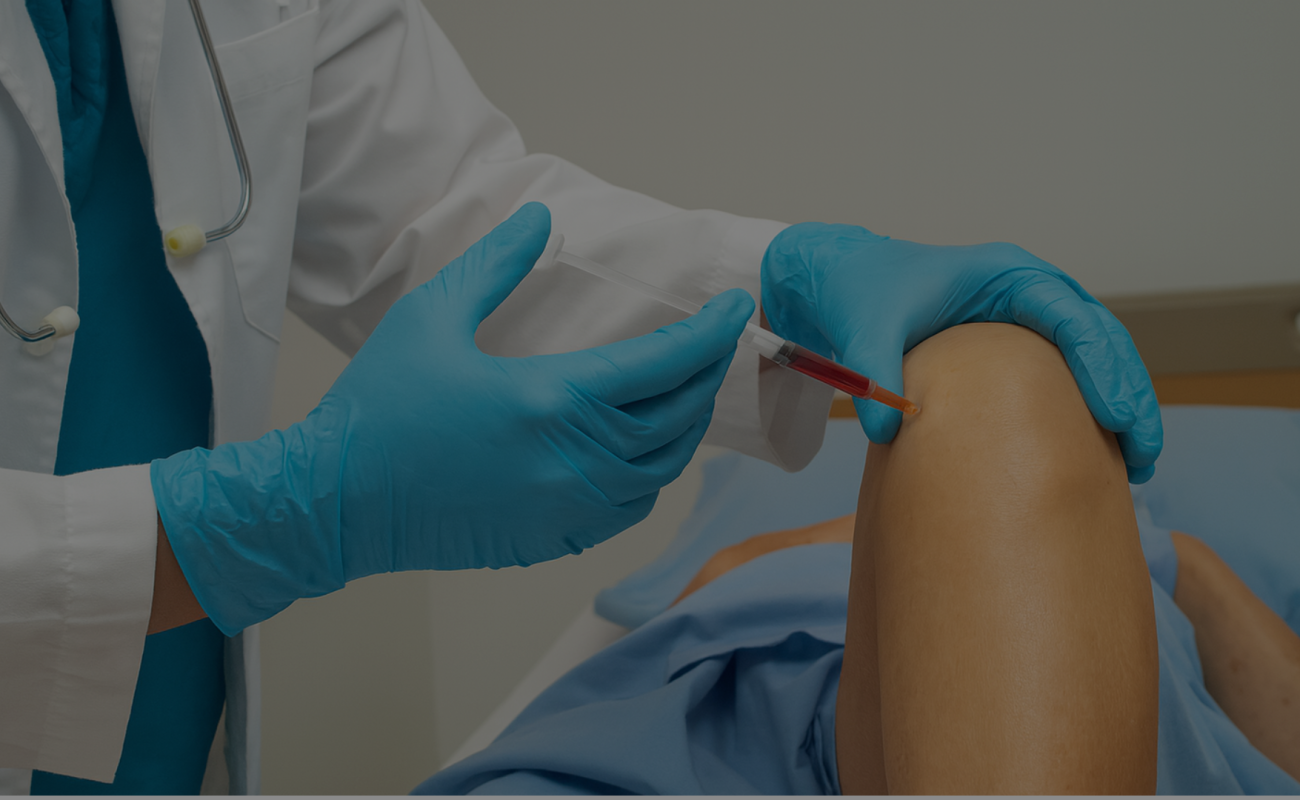
When the pain becomes more severe, injections may be offered.
Hyaluronic acid
L'’hyaluronic acid It acts as a joint lubricant. It improves the gliding of joint surfaces and can reduce pain for several months.
In some patients with moderate osteoarthritis, this solution makes it possible to significantly delay surgery.
The PRP
THE PRP (Platelet Rich Plasma) uses the growth factors present in the patient's blood.
The goal is to reduce inflammation and improve the joint environment. While it doesn't regrow cartilage, it can help improve symptoms and avoid the need for a joint replacement in some selected patients.
Orthobiological treatments
THE orthobiological treatments are playing an increasingly important role in the management of osteoarthritis.
According to the indications, they can be used to try to preserve the joint and slow the progression of symptoms.
Conservative surgeries
When osteoarthritis is localized to a part of the joint, certain interventions can sometimes make it possible to avoid a prosthesis.
Osteotomy
L'’osteotomy consists of modifying the axis of the limb in order to better distribute the loads on the joint.
This technique is particularly used in relatively young patients with localized osteoarthritis of the knee.
It can provide lasting pain relief and postpone the need for a prosthesis for several years.
Cartilage treatments
In certain very specific situations, cartilage repair techniques may be considered.
The goal is to treat a localized lesion before it progresses to more widespread osteoarthritis.
When does a prosthesis become necessary?
Despite all available treatments, sometimes a joint is too damaged to be saved.
Prosthesis implantation is generally considered when:
- the pain becomes a daily occurrence; ;
- Conservative treatments are no longer effective; ;
- Mobility is severely reduced; ;
- The quality of life is impaired.
In these situations, surgery often remains the best solution to regain satisfactory function.
Is it really possible to delay surgery?
Yes, in many cases.
The progress made in recent years allows many patients to retain their natural joint for longer than before.
The combination of several measures:
- physical activity; ;
- weight loss; ;
- rehabilitation; ;
- infiltrations; ;
- Orthobiological treatments often allow us to gain several years before considering more invasive surgery.
This is precisely the goal sought when one wishes to avoid a prosthesis.
Conclusion
Wanting to avoid a joint replacement is a legitimate desire, especially when osteoarthritis is still in its early or moderate stages. Today, there are many solutions that can preserve the joint, reduce pain, and maintain a good quality of life without immediately resorting to surgery.
Adapted physical activity, weight loss, physiotherapy, injections, and certain conservative surgeries offer effective alternatives for slowing the progression of osteoarthritis. The earlier these treatments are implemented, the greater the chances of avoiding a prosthesis or delaying its implantation.
Faced with persistent joint pain, a specialist assessment helps to identify the most suitable solutions for each situation and to build a personalized strategy to preserve the joint for as long as possible.