
Joint pain, injuries or loss of mobility: signs not to ignore
Joint and muscle pain are common and often dismissed as minor. However, when they persist or worsen, they can indicate a more complex condition requiring specialist consultation. An orthopedic surgeon is the leading physician for the diagnosis and treatment of musculoskeletal disorders, particularly those affecting the joints, ligaments, tendons, and bones.
Contrary to popular belief, consulting an orthopedic surgeon does not necessarily mean undergoing surgery. Their role is primarily to’assess the overall situation, to make an accurate diagnosis and to propose appropriate care, whether medical, functional or surgical.
Persistent pain: the first warning sign
Pain that lasts over time is never insignificant. If it persists for more than a few weeks despite rest, conventional treatments, or physiotherapy, it is recommended to consult a doctor. Chronic joint pain can be related to a early osteoarthritis, a cartilage damage, ligament damage or persistent inflammation.
Certain pains are typical and should raise concern: knee pain when going up or down stairs, hip pain radiating into the groin, shoulder pain when raising the arm, or ankle instability after a poorly healed sprain. These symptoms often indicate a mechanical problem that requires a thorough evaluation.
Loss of mobility or functional impairment
Beyond pain, loss of mobility is an important sign. When a patient begins to alter their movements, avoid certain actions, or limit their daily activities, it means the joint is no longer functioning properly.
This discomfort can manifest in various ways: difficulty bending the knee, hip stiffness, loss of strength in the shoulder, or instability while walking. Gradually, this can impact quality of life, work, and leisure activities.
Certain symptoms should prompt a prompt consultation:
- difficulty walking normally or climbing stairs
- locking or sensation of "knee giving way"«
- loss of strength or coordination
- limitations in everyday activities (dressing, bending, carrying)
Early intervention often prevents the situation from worsening.
Sports trauma or injury
Trauma is a common reason for consulting an orthopedist. A fall, a blow, a sudden movement, or a sports injury can lead to ligament, meniscal, or bone damage.
Even if the pain subsides after a few days, some injuries can go unnoticed and develop silently. This is the case, for example, with a ruptured anterior cruciate ligament, a meniscal tear, or a non-displaced fracture.
After a traumatic event, certain signs should raise concern:
- rapid swelling of the joint
- an inability to regain support
- a feeling of instability
- persistent pain despite rest
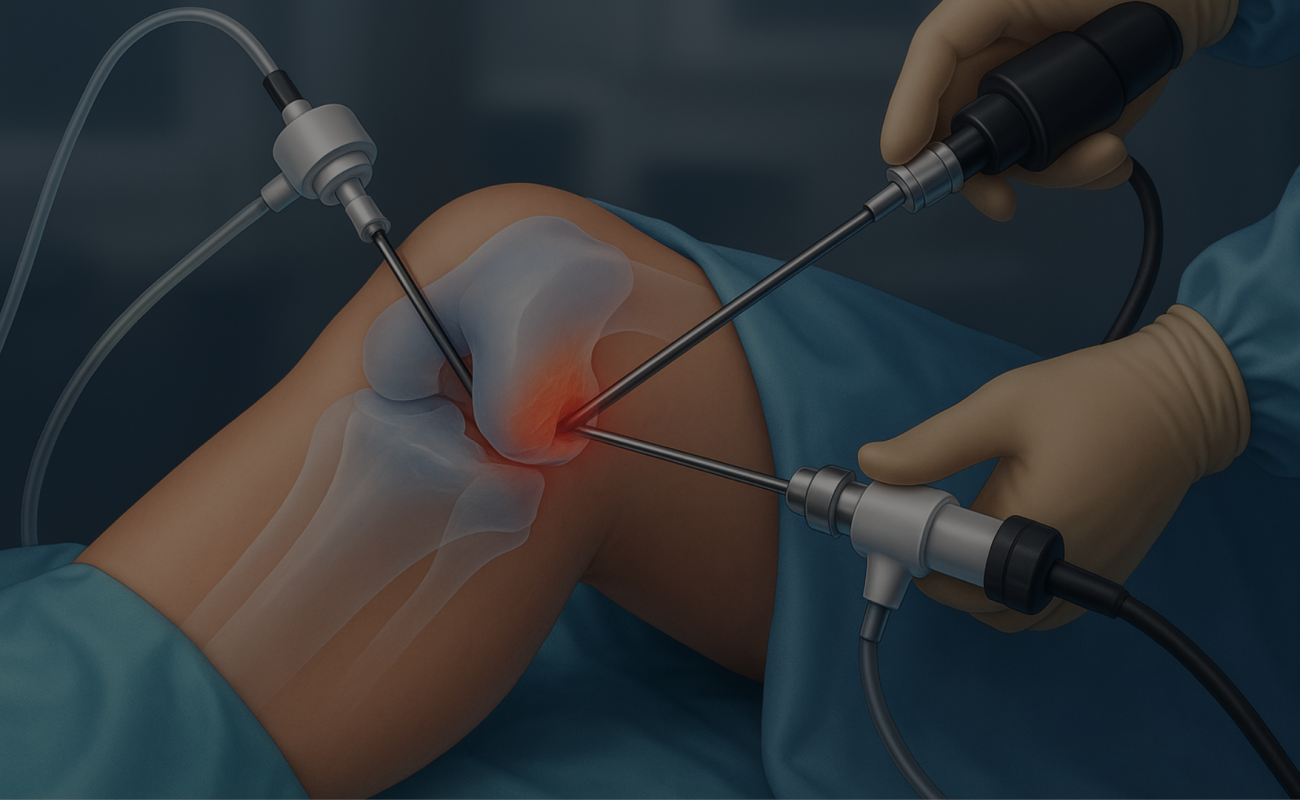
A clinical assessment and imaging (MRI, X-ray) allow for an accurate diagnosis and help avoid long-term complications.
Osteoarthritis and joint wear and tear: don't wait until the advanced stage
L'osteoarthritis It is a progressive disease that can be effectively managed if diagnosed early. Too often, patients seek medical help late, when the pain becomes daily and mobility is already severely reduced.
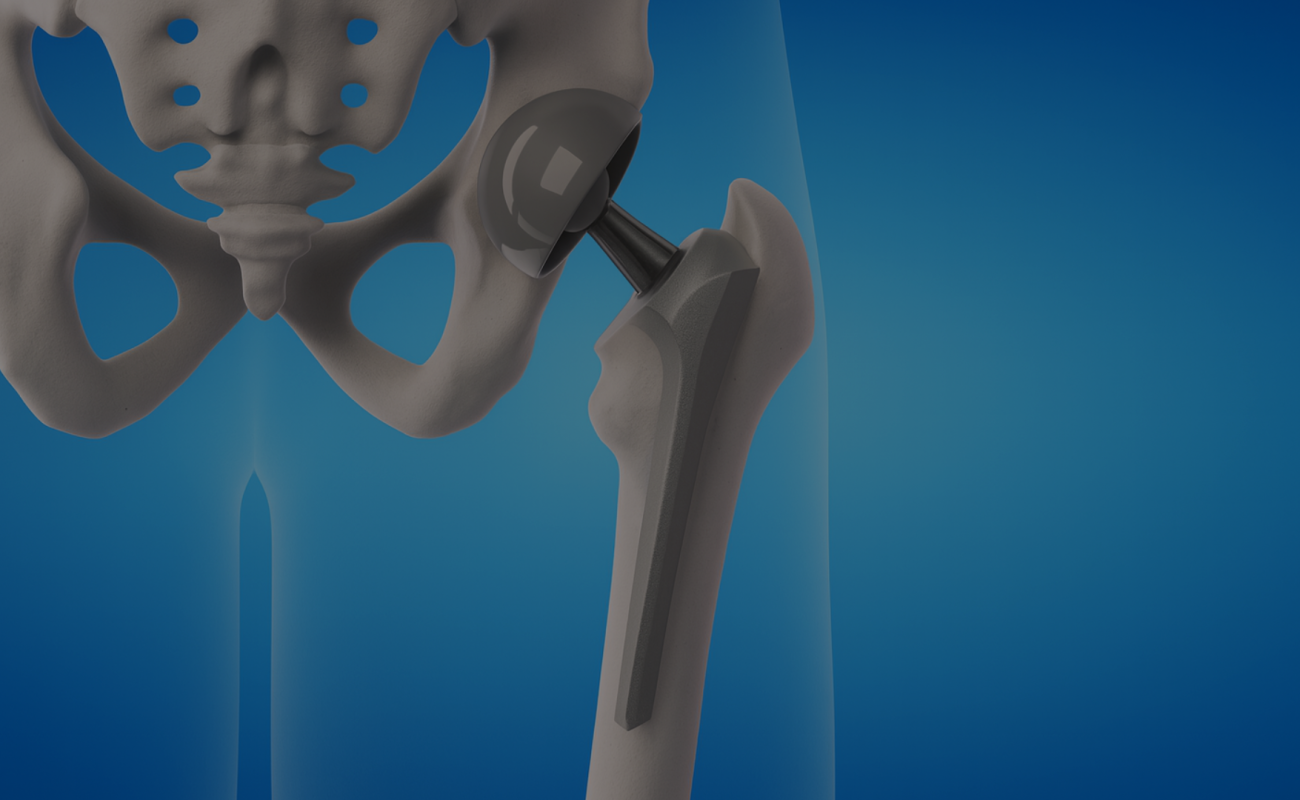
However, there are many solutions available today for slowing the progression of osteoarthritis and improve joint comfort without immediately resorting to a prosthesis. Injectable treatments, targeted rehabilitation, or certain conservative surgeries can preserve the joint for longer.
Consulting early allows the therapeutic strategy to be adapted and irreversible deterioration to be avoided.
When conventional treatments are no longer sufficient
In many cases, patients have already tried several approaches before seeking medical advice: rest, anti-inflammatories, physiotherapy, injections. If these treatments no longer provide lasting pain relief or restore function, a specialist opinion becomes necessary.
The role of the orthopedic surgeon is then to reassess the situation as a whole, to identify the root cause of the problem and propose a suitable solution. This does not necessarily mean surgery, but sometimes a different or more targeted strategy.
A key role in diagnosis and treatment guidance
The orthopedic surgeon intervenes at several levels. He performs a precise clinical examination, analyzes the imaging and takes into account the patient's lifestyle, activity and objectives.
Its role is to determine:
- if the pathology is mechanical, inflammatory or traumatic,
- if conservative treatment is sufficient,
- or if surgical intervention is appropriate.
In many cases, a gradual approach is preferred, starting with the least invasive treatments before considering surgery.
A consultation is not necessarily an operation
It is important to remember that a consultation in orthopedic surgery does not always lead to an operation. On the contrary, the majority of patients are treated without surgery.
The goal is to’adjust the treatment at the right time. An operation is considered only when the expected benefits outweigh the constraints, and when other options have been exhausted or are no longer suitable.
Consult at the right time to protect your joints
Waiting too long can complicate treatment. A painful or unstable joint, left without appropriate treatment, can gradually deteriorate and eventually require more extensive intervention.
Conversely, early consultation often allows for the implementation of effective solutions, slow down the progression of the disease and to maintain a good level of activity.
In summary, it is recommended to consult an orthopedic surgeon as soon as pain persists, function is impaired, or an injury has had a lasting impact. Appropriate treatment not only relieves symptoms but also helps to preserve joint health in the long term.