
REPAIR
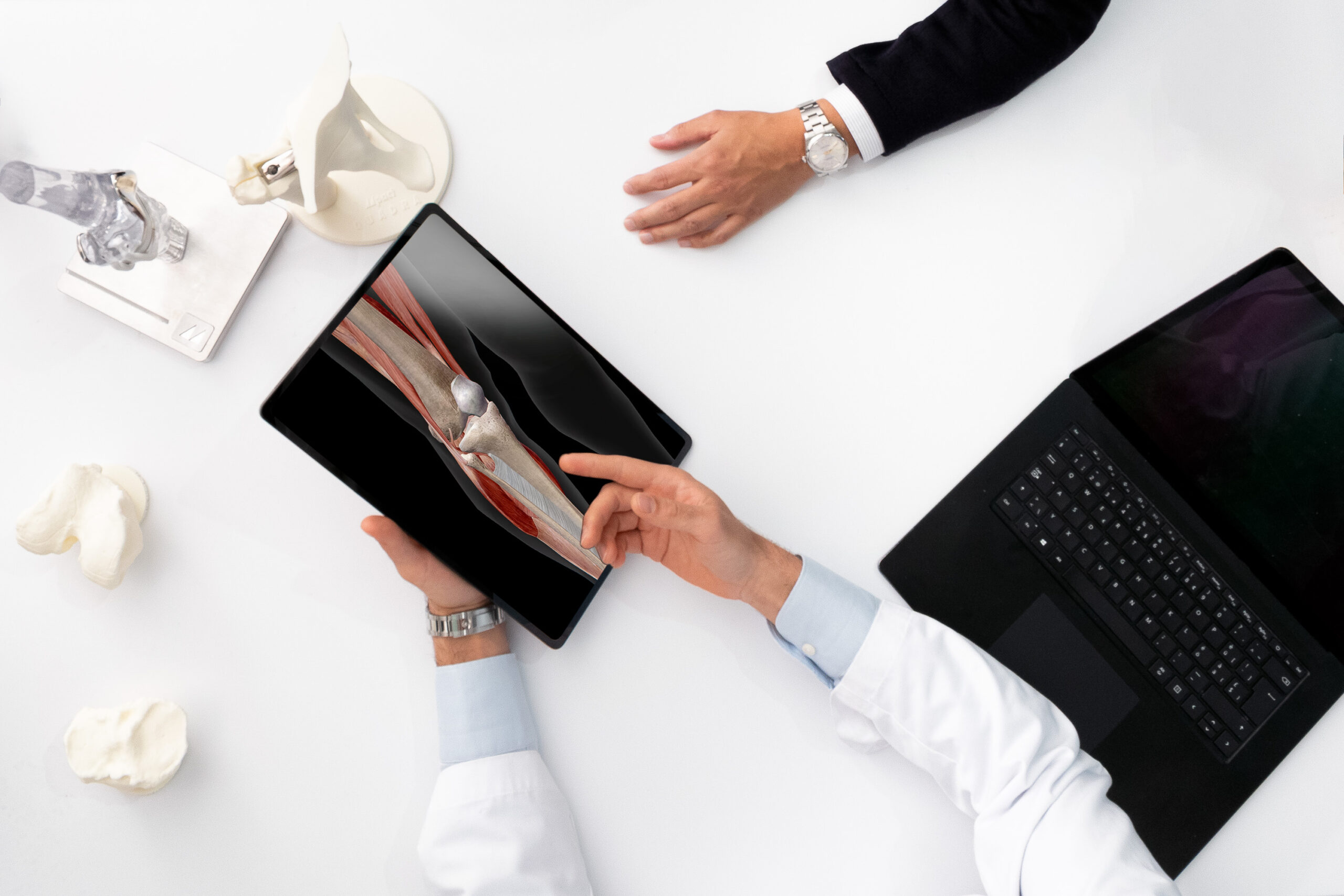
In the event of an accident or sports injury, ligaments, menisci, cartilage, bones, tendons, or muscles can be affected and may require specialized care. Certain injuries, particularly to the anterior cruciate ligament or menisci, require precise surgical intervention to restore joint stability and function.
Specializing in the care of athletes, Dr. Coulin aims to repair damaged structures and allow you to resume your activity in the best possible safety conditions.
Knee surgery and fractures
Anterior cruciate ligament (ACL)
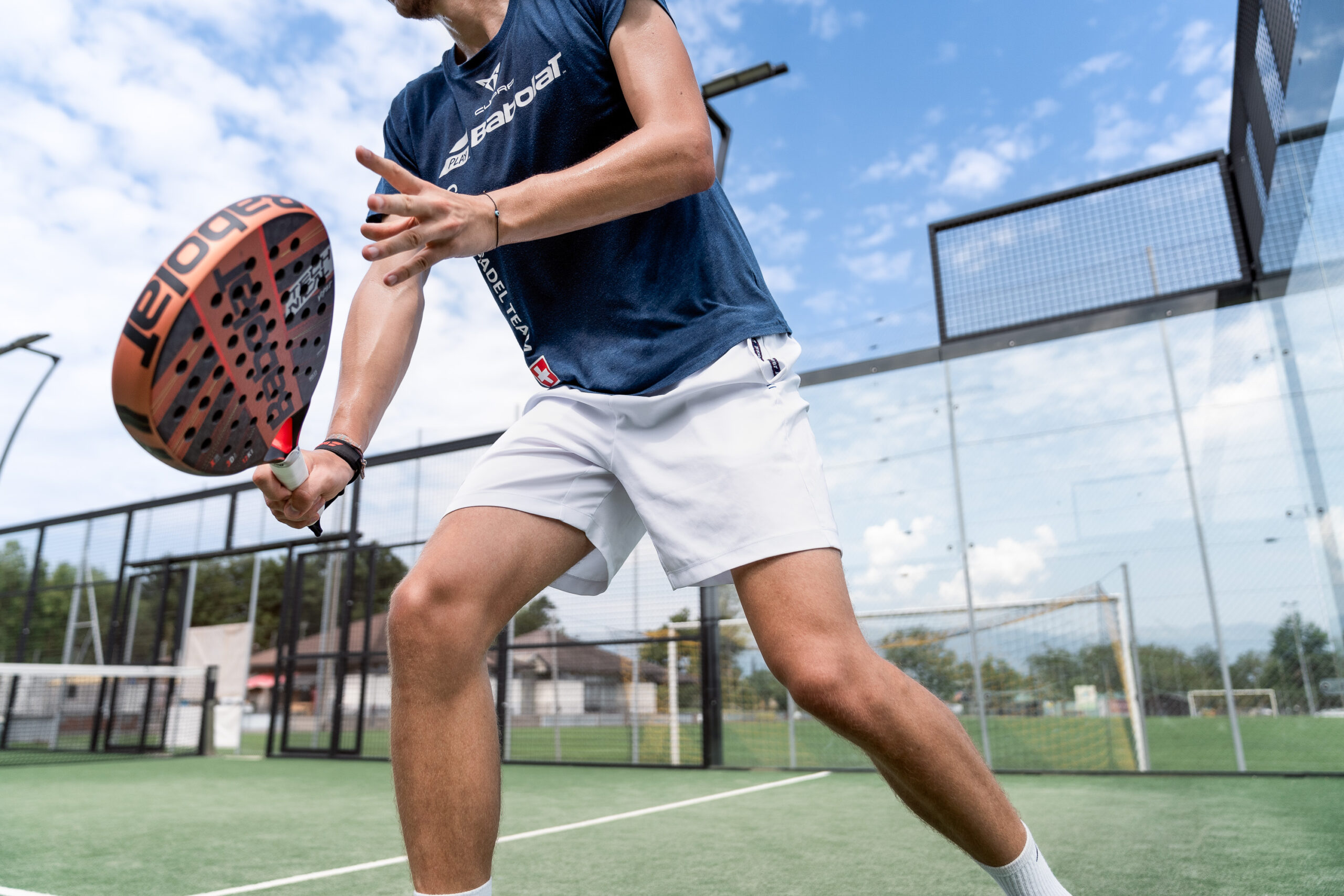
Sports involving support, pivoting, and contact, such as skiing, football, rugby, or basketball, are associated with an increased risk of injuries to the anterior cruciate ligament (ACL)The ACL is crucial for the stability of the knee joint, and this injury can lead to frequent dislocations and an inability to practice sports optimally.
ACL repair is often recommended to enable a safe return to sports. Advances in surgical techniques have significantly improved outcomes, with post-operative rehabilitation playing a major role in complete recovery.
It is essential that the rehabilitation process is closely monitored, with targeted exercises aimed at strengthening the muscles around the knee and restoring mobility.
All other stabilizing ligaments of the knee can also be affected by trauma. Dr. Coulin will provide a detailed consultation to determine the most appropriate treatment plan for your specific situation.
Meniscus
The meniscus plays a crucial role in the knee joint, acting as an interface between the femur and tibia. They actively contribute to load distribution and protect the cartilage surfaces.
Magnetic resonance imaging (MRI) is fundamental in detecting meniscal injuries, providing a detailed evaluation of the location, type of injury, and any associated complications. This information is essential for determining the most appropriate treatment for each case.
In many situations, repair via arthroscopy—a minimally invasive technique involving two small anterior incisions—is often sufficient to achieve optimal restoration of meniscal injuries. Arthroscopy offers the advantage of a typically faster recovery compared to more invasive surgical procedures.
Operative care should be tailored to the specific nature of the surgery performed. Post-operative rehabilitation, often supervised by physiotherapists, is crucial for ensuring complete recovery and optimizing knee function. Close collaboration between the surgeon and the rehabilitation team helps maximize outcomes and minimize post-operative complications.
Muscle and Tendon tears
Tendons and muscles play an essential role in the proper functioning of the limbs. When they are affected — particularly at the level of the patellar tendon or quadricipital—the consequences can be major. The management is based on a precise repair, by suture or reinsertion according to the type of lesion. Each gesture is designed to promote a quick and secure recovery, with a return to the activity in the best conditions.
Bone and fractures
Fracture surgery is a highly specialized and technical field, as each fracture is unique. Treatment must be meticulously tailored to allow for optimal restoration of bone’s pre-injury anatomy. These cases are often complex, requiring specialized care to restore optimal limb function and minimize the risk of long-term complications.
As a physician in the Emergency and Trauma Center at the Clinique des Grangettes, Dr. Coulin treats patients with fractures every week, many of whom require complex surgical interventions.
The time between injury and repair is a priority. Managing fractures is an urgent matter, often necessitating immediate surgical intervention. This time-sensitive factor is crucial for optimal recovery and helps prevent long-term functional loss or painful complications.
The post-operative period, which requires limiting activities until complete bone healing, is also essential before resuming normal activities. This recovery period is adjusted based on the type and location of the fracture.
When to seek medical help after a trauma?
A specialist consultation is recommended in the following cases:
Persistent pain after a shock or twist
Sensation of knee instability
Significant swelling
Joint blockage
Difficulty regaining weight-bearing or walking
Early diagnosis helps prevent the worsening of injuries and optimizes recovery.
Specialized care for athletes
Sports traumatology requires a thorough understanding of the biomechanical demands specific to each sport. The goal is not just recovery, but a safe return to the previous level of activity.
Surgical planning and rehabilitation are adapted:
To your sport
At your training frequency
To your goals

Recovery and return to sport
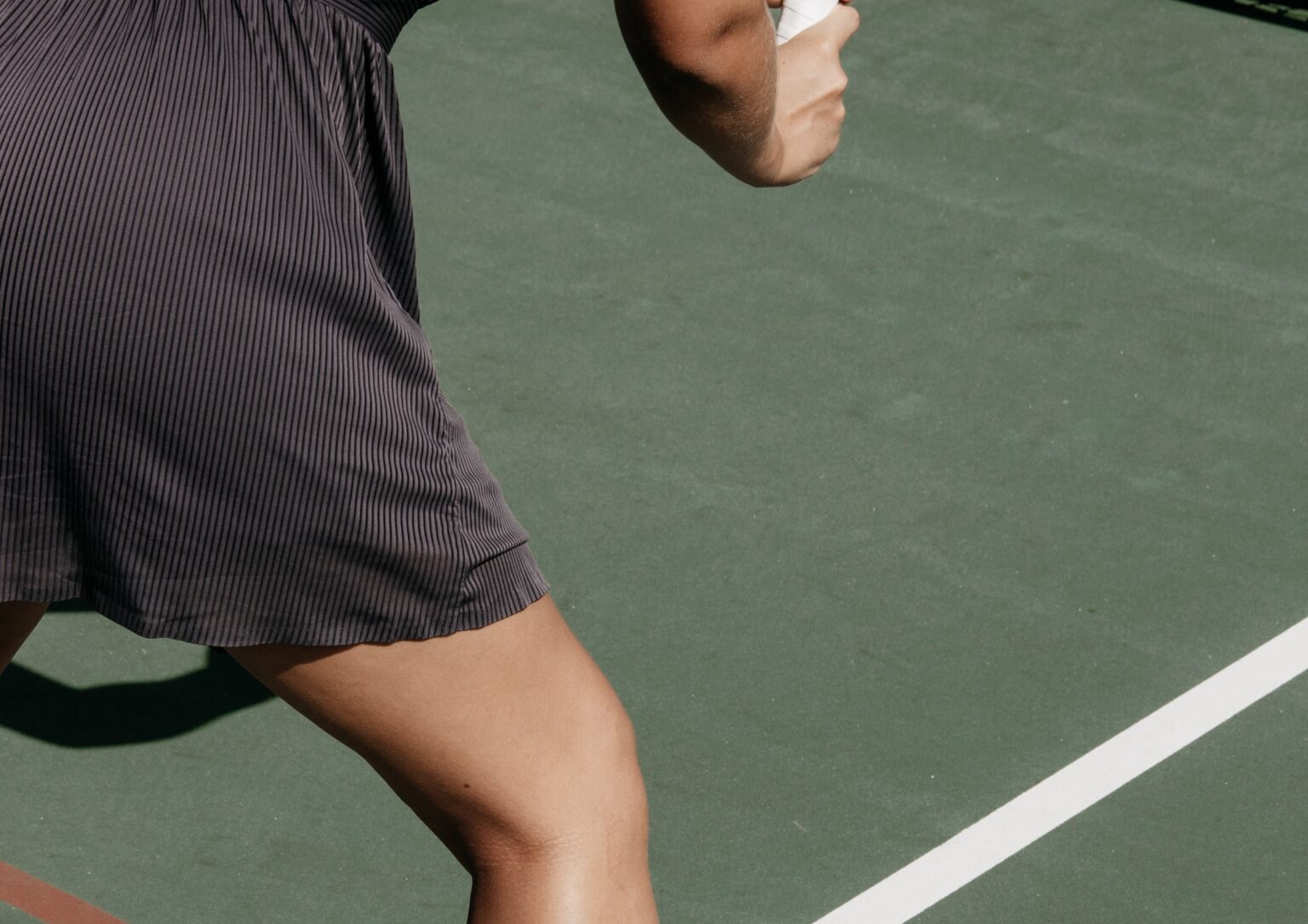
Recovery depends on the type of injury and the procedure performed, as well as your initial activity level. It is organized in a progressive and structured manner to optimize healing and fully restore joint function.
It includes:
A gradual rehabilitation aimed at restoring joint mobility and range of motion
Targeted muscle strengthening to restore stability and control
A structured resumption of daily activities and then sports.
THE back to sport is planned in an individualized and secure manner, with clinically validated steps, in order to limit the risk of recurrence and ensure a lasting recovery.
