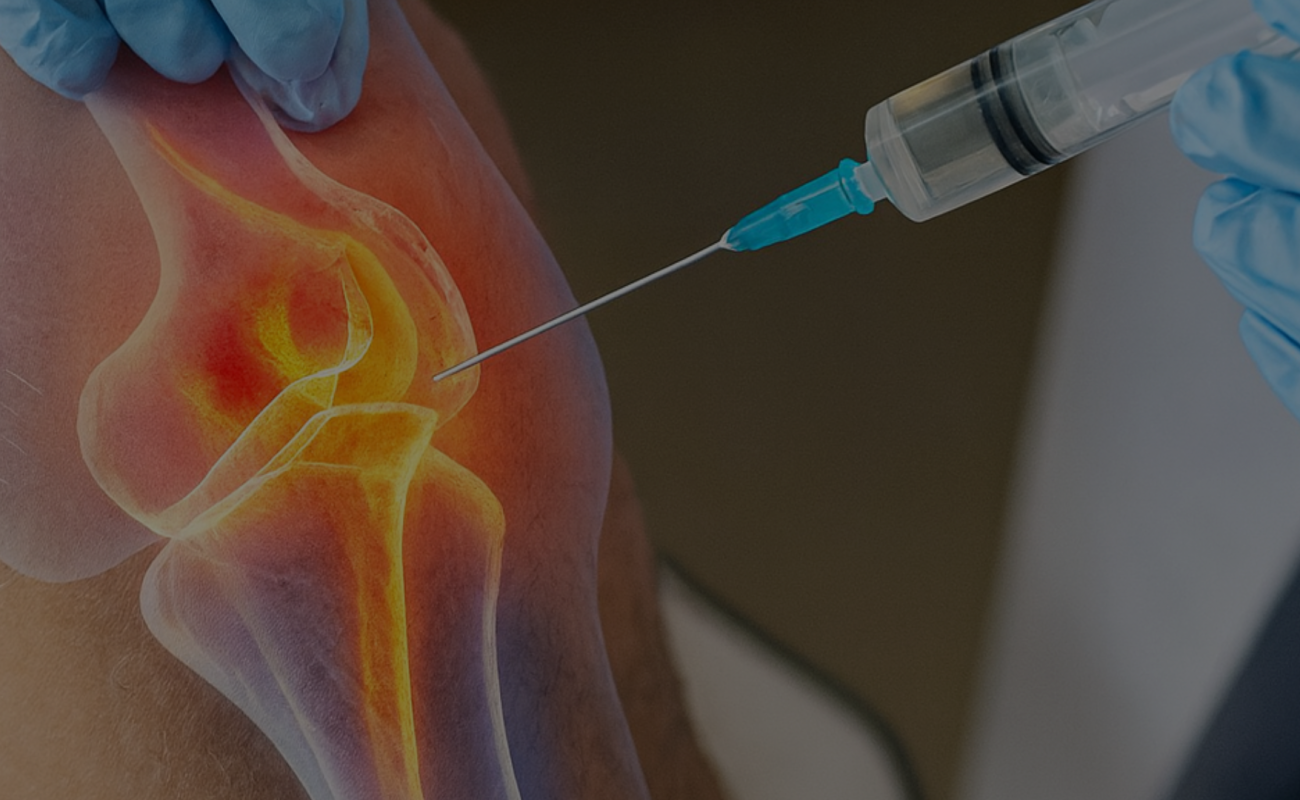

What is anterior cruciate ligament (ACL) surgery ?
The anterior cruciate ligament is essential for the stability of the knee, particularly during pivoting movements, changes of direction or sudden stops.
When this ligament is torn, the knee can become unstable, painful, and severely limit the practice of sports or certain professional activities.
Anterior cruciate ligament surgery aims to replace the damaged ligament with a tendon graft.
The goal is to restore joint stability and prevent the development of associated injuries such as meniscal or cartilage damage. When performed correctly and combined with appropriate rehabilitation, this surgery allows for a safe and lasting return to mobility.
When should you consider ACL surgery?
Surgery is not systematic after a rupture of the anterior cruciate ligamentThe choice depends on several criteria:
- The patient's activity level (athletic or not).
- Functional discomfort felt on a daily basis.
- The presence of associated lesions (menisci, cartilage), visible on MRI.
- The effectiveness or ineffectiveness of conservative treatment (physiotherapy).
It is generally recommended:
- For young or athletic patients wishing to resume pivoting activities (football, skiing, handball, basketball, etc.).
- In case of knee instability in daily life.
- If the MRI reveals associated lesions.
- When rehabilitation alone does not allow normal function to be restored.
Dr. Coulin takes the time to assess each situation through a complete clinical examination, imaging tests and an in-depth discussion with the patient about their mobility goals.
How does the procedure take place?
Reconstructive surgery of the anterior cruciate ligament most often relies on an autograft (tissue taken from the patient). The tendons used can be:
- The hamstrings,
- The patellar tendon,
- Or the quadriceps tendon.
The intervention is carried out under arthroscopy, which allows for precise procedures using small incisions. Suitable fixation implants hold the graft in the bone, respecting the biomechanics of the knee.
This minimally invasive technique reduces post-operative pain and promotes faster recovery. The goal is to replicate the function of the original ligament as closely as possible, restoring joint stability and the patient's confidence in their knee.
What are the post-operative consequences ?
After anterior cruciate ligament surgery, the post-operative period is carefully managed:
- Light immobilization may be prescribed initially.
- Partial and then full loading is generally permitted quickly.
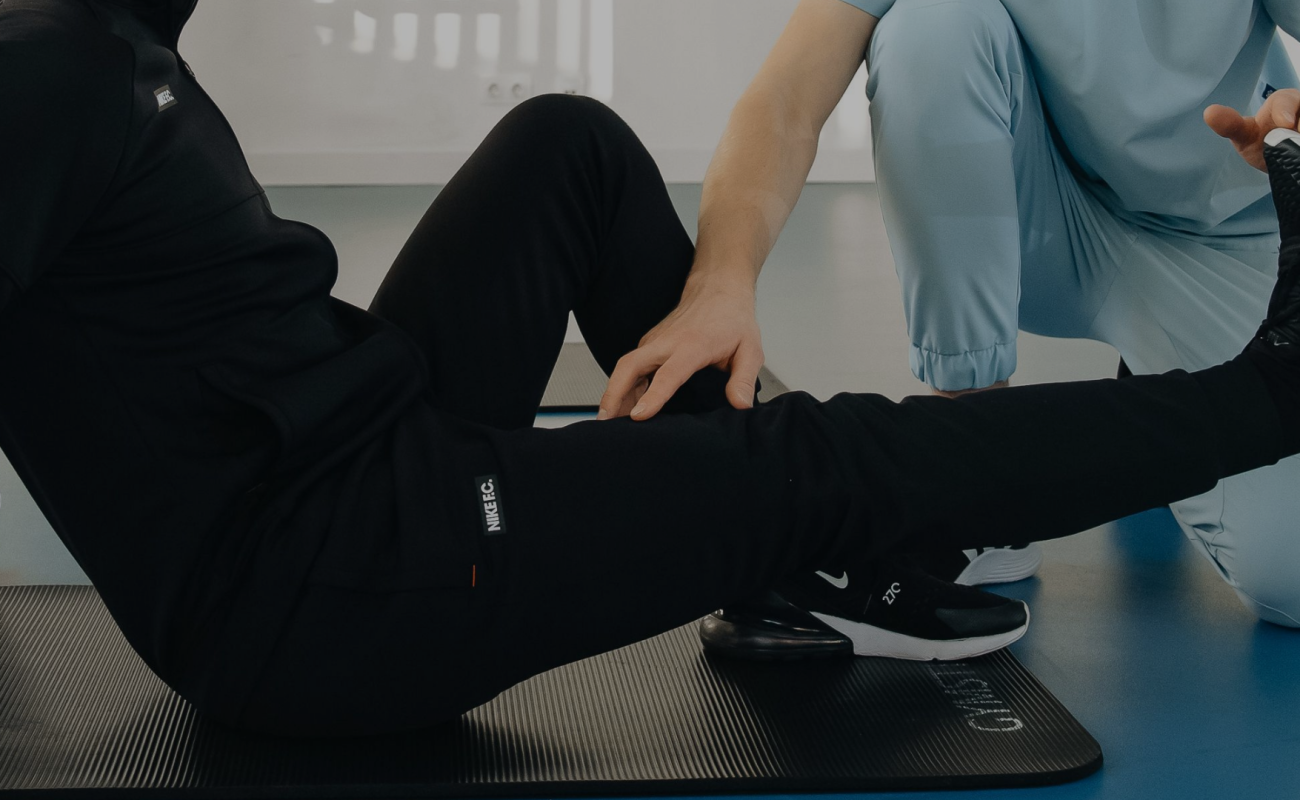
- Rehabilitation begins in the first few days, under the supervision of a specialized physiotherapist.
The objectives of rehabilitation are multiple:
- Gradually regain full knee mobility.
- Strengthen muscles, especially the quadriceps and hamstrings.
- Re-educate proprioception (perception of movements) and coordination.
Resuming sport is done in stages, generally between 6 and 12 months after the operation, depending on the discipline practiced and the patient's progress.
What results can we expect ?
When it is clearly indicated and followed by rehabilitation Rigorous anterior cruciate ligament surgery yields excellent results:
- A stability restored of the knee.
- A smooth walk, without apprehension.
- The possibility of returning to sport safely in the majority of cases.
However, success also depends on the patient's motivation to follow their rehabilitation program and respect the recovery steps.
Expert and personalized support
A rupture of the anterior cruciate ligament is not simply a torn ligament. It exposes the knee to other risks, such as meniscal tears or early osteoarthritis if instability persists.
Dr. Coulin adopts a comprehensive approach, which takes into account:
- The selection of the most suitable graft,
- Surgical precision thanks to arthroscopy,
- Post-operative monitoring and personalized rehabilitation.
Its objective is to ensure lasting stability of the knee and a safe return to activities, whether sporting or professional.
Have you torn your cruciate ligament or is your knee still unstable ?
A rupture of the anterior cruciate ligament (ACL) is one of the most common knee injuries, particularly among athletes.
It can cause a feeling of instability, episodes of giving way, and limit physical activity. Early intervention helps preserve joint stability and reduce the risk of secondary injuries.
Treatment depends on many factors: age, activity level, patient expectations, and associated injuries.
In some cases, well-conducted rehabilitation may be sufficient, while anterior cruciate ligament reconstruction is recommended when instability persists or when the patient wishes to resume sports activities involving pivots or changes of direction.