
After the operation, recovery begins
There ligament reconstruction is a surgical procedure often performed to reconstruct the anterior cruciate ligamentAfter the operation, the rehabilitation plays a central role: it not only helps restore mobility and muscle strength, but also secures healing and ensures knee stability.
Dr. Coulin reminds every patient: it's the effort put in after the operation that makes all the difference. rigorous rehabilitation after ligament reconstruction is the key to regaining a stable, mobile and efficient knee, both in everyday life and in sport.
A multi-phase recovery protocol
Rehabilitation after ACL reconstruction takes place in progressive stages, with clear objectives at each phase. It can last from 6 to 12 months, depending on age, activity level, type of graft, and any associated injuries.
- Step 1 : Protect, relieve, initiate (day 1 to week 4)
The objective is twofold : to protect the graft and prevent post-operative complications.
- Management of pain and edema (ice, elevation, anti-inflammatories if needed).
- Work on the complete extension of the knee, essential to avoid stiffness.
- Partial support then progressive with crutches (according to the surgeon’s instructions).
- Gentle muscle awakening (quadriceps, hamstrings).
- No sport or exercise in torsion.
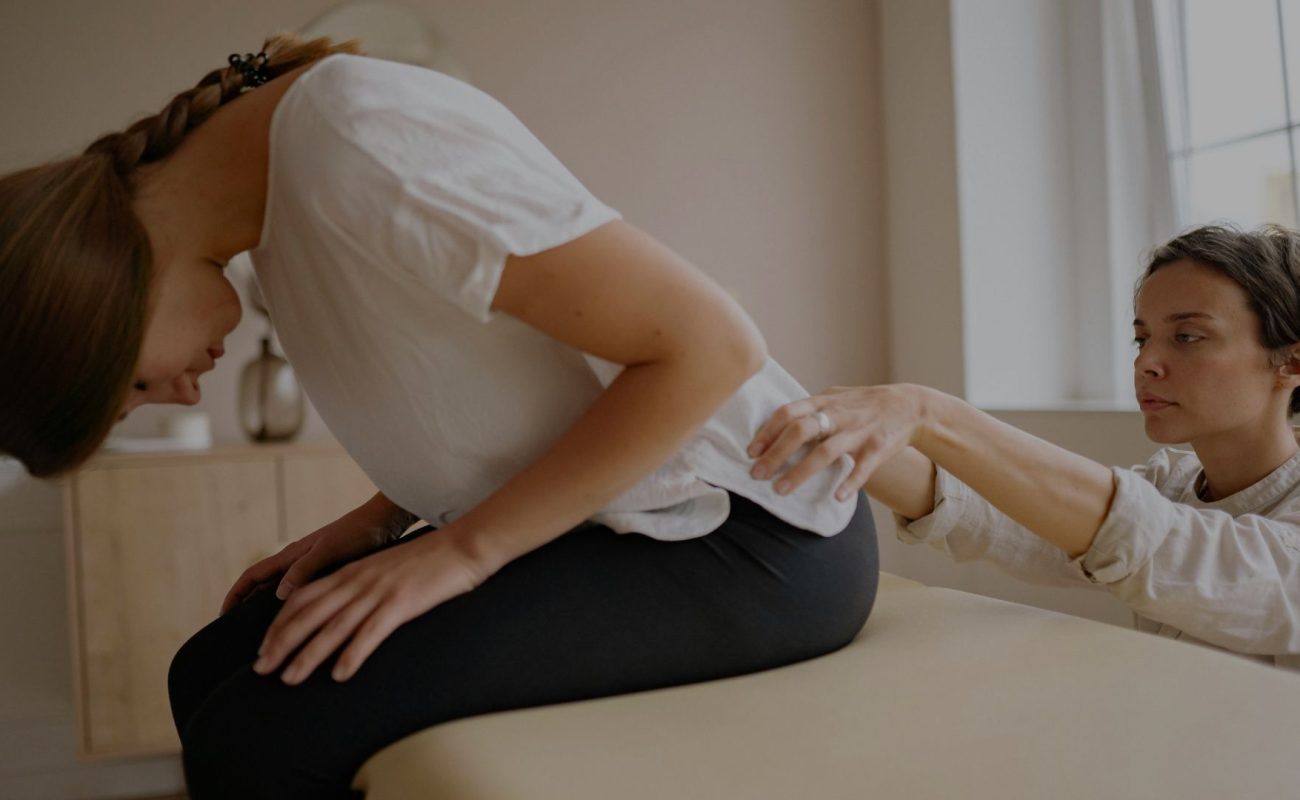
The patient is closely monitored in physiotherapy and surgical consultation for optimal rehabilitation after ligamentoplasty.
- Step 2 : Walk, strengthen, stabilize (week 4 to week 12)
When healing is well underway, the goal is to return to normal walking, strengthen muscles, and work on joint stability.
- Free support and walk without crutches.
- Progressive muscle strengthening (closed chain).
- Proprioceptive work (balance, coordination).
- Stationary bike, swimming, elliptical without impact.
Monitoring the gain in range of motion is fundamental to avoid blockages in flexion or extension during rehabilitation after ligamentoplasty.
- Step 3 : Reathleticization (3 to 6 months)
The knee is stronger, but not yet ready to resume pivoting and contact sports. Sports rehabilitation after ligament reconstruction is essential in this case.
- Straight-line races (without changing the support).
- More intensive strengthening (gluteus, trunk, legs).
- Functional work (jumps, stairs, mini-accelerations).
- Control tests to evaluate symmetry and stability.
Dr. Coulin collaborates with physiotherapists specializing in sports and orthopedics to guide this strategic phase of rehabilitation.
- Step 4 : Return to sport in safety (6 to 12 months)
Resuming pivot sports (skiing, football, rugby, handball, tennis) should not be done too early. The graft needs time to integrate firmly into the bone, and neuromuscular reflexes must be retrained through a tailored program.
- Isokinetic and proprioceptive tests.
- Simulations of sports gestures.
- Gradual resumption, supervised, with medical follow-up.
Full return to sport is generally permitted between 9 and 12 months after ligament reconstruction, sometimes earlier for online sports.
Why follow a rigorous rehabilitation ?
A well-conducted rehabilitation after ligament reconstruction allow :
- To protect the graft in the critical early months.
- To avoid stiffness or residual pain.
- To restore muscle and joint symmetry.
- To reduce the risk of recurrence, particularly among athletes.
- To regain confidence in one’s knee before the recovery.
A motivated, well-accompanied and well-informed patient puts all the odds on their side.
Did you just have a cruciate ligament surgery ?
Dr. Coulin provides personalized post-operative monitoring in Geneva, in close collaboration with professionals in the rehabilitation after ligament reconstructionThe goal is simple: to help you recover fully, without rushing or losing performance.