Whatever the objective, return to sport, pain relief, reduction of a disability, a non-surgical solution is always explored first.

Targeted injections (corticosteroids, hyaluronic acid, PRP) and biological approaches using the patient's own resources can reduce inflammation, relieve pain and promote tissue repair.
Suitable for: osteoarthritis, chronic pain, cartilage damage and resistant tendinopathies.
A personalized rehabilitation program designed to restore mobility, muscle strength, and joint stability. Supervised by specialized physiotherapists.
Indicated for: sprains, partial tears, Post-surgery, early-stage osteoarthritis
A holistic approach combining adapted physical activity and nutritional balance supports joint health and bone strength. It promotes lasting recovery while preventing fragility and degenerative changes.
Objective: to support treatments, prevent bone fragility and preserve long-term autonomy.
THE non-surgical treatment This always constitutes the first step in the therapeutic strategy. Before considering any intervention, each clinical situation is thoroughly evaluated to determine whether a conservative solution can achieve a lasting and satisfactory result.
The goal is clear: to relieve pain, restore function and preserve the joint when possible.
Whether it's osteoarthritis, ligament injuries, meniscal pain, or inflammatory conditions, well-conducted non-surgical treatment can, in many cases, prevent or delay a complication. surgery.
This approach is based on precision medicine that is individualized and progressive.
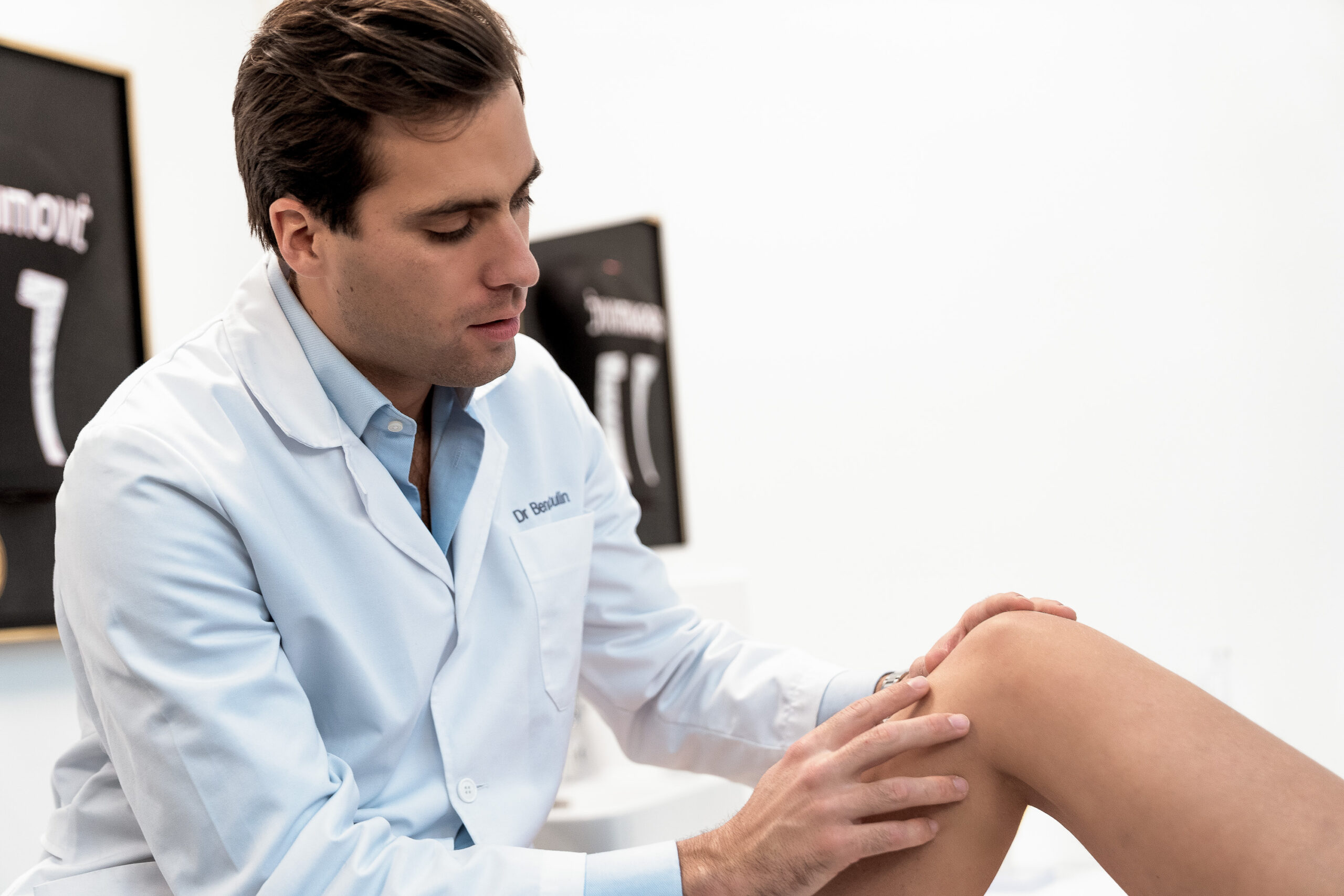
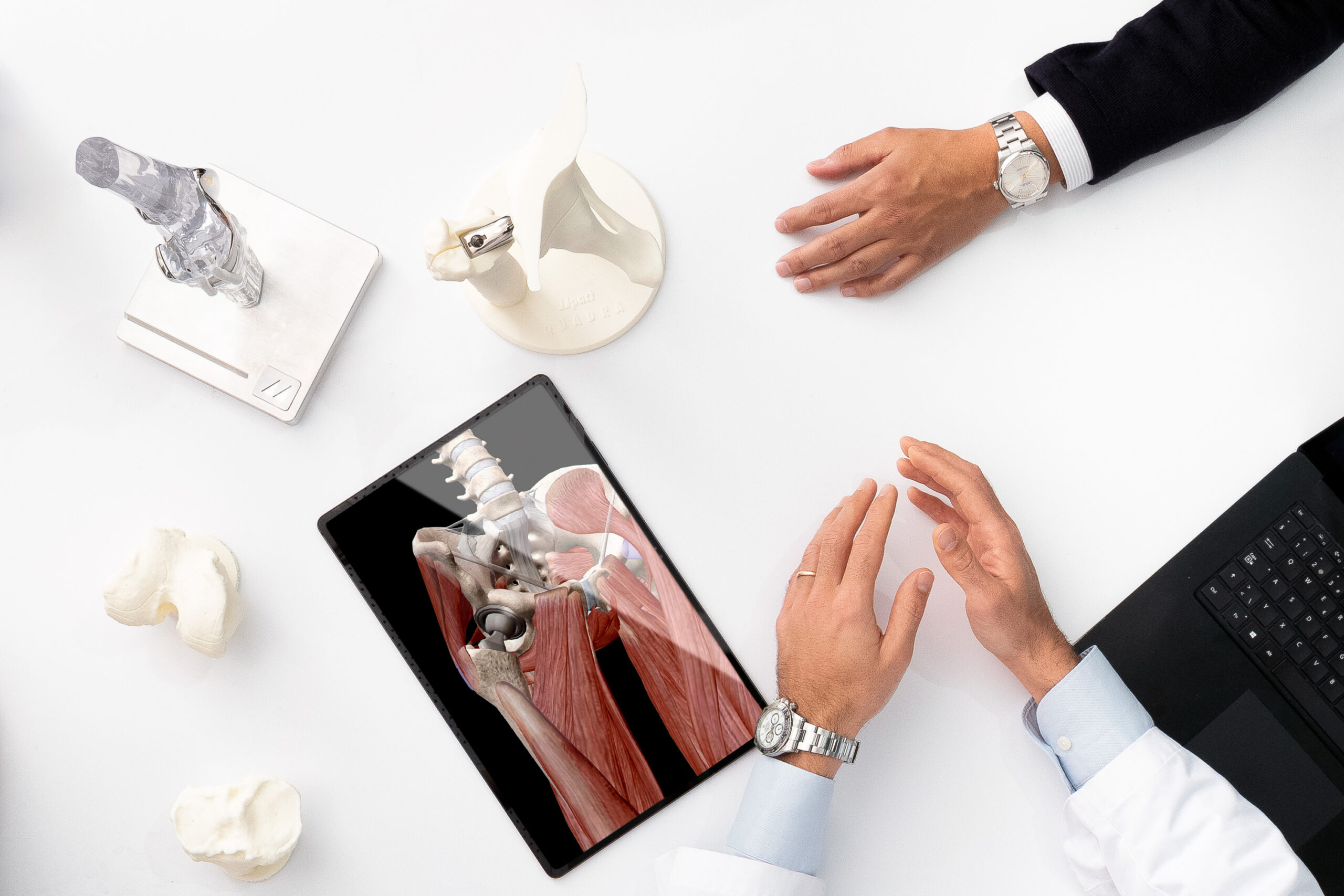
Biological therapies and injections are key solutions for the non-surgical treatment of joint pain. They allow for direct action at the joint level, particularly in cases of osteoarthritis or persistent inflammation.
After a thorough clinical evaluation, several options may be offered:
• Corticosteroid injections
Indicated during acute inflammatory flare-ups to rapidly reduce pain.
• Hyaluronic acid injections
Recommended for mild to moderate osteoarthritis, they improve lubrication and the quality of movement.
• PRP – Platelet-Rich Plasma
Regenerative treatment using your own platelets to stimulate natural repair mechanisms.
• Injection of cells derived from adipose tissue (Lipogems)
An innovative approach considered in cases of moderate osteoarthritis or lesions resistant to conventional treatments.
Physiotherapy is a central pillar of non-surgical treatment. A painful joint often stems from a muscular imbalance, weakness of the stabilizers, or a biomechanical defect that perpetuates stress and promotes pain.
A personalized rehabilitation program helps strengthen deep muscles, improve joint mobility, and correct compensatory patterns. The work also focuses on proprioception, coordination, and stability—essential elements for restoring harmonious and safe function.
In many cases, rigorous and progressive rehabilitation is sufficient to significantly improve symptoms and avoid surgery. Follow-up is carried out in close collaboration with specialized physiotherapists, according to protocols adapted to each condition and the patient's goals, whether it be a return to sport or maintaining daily independence.
This functional approach not only treats the pain, but more importantly addresses its cause by restoring a lasting mechanical balance.
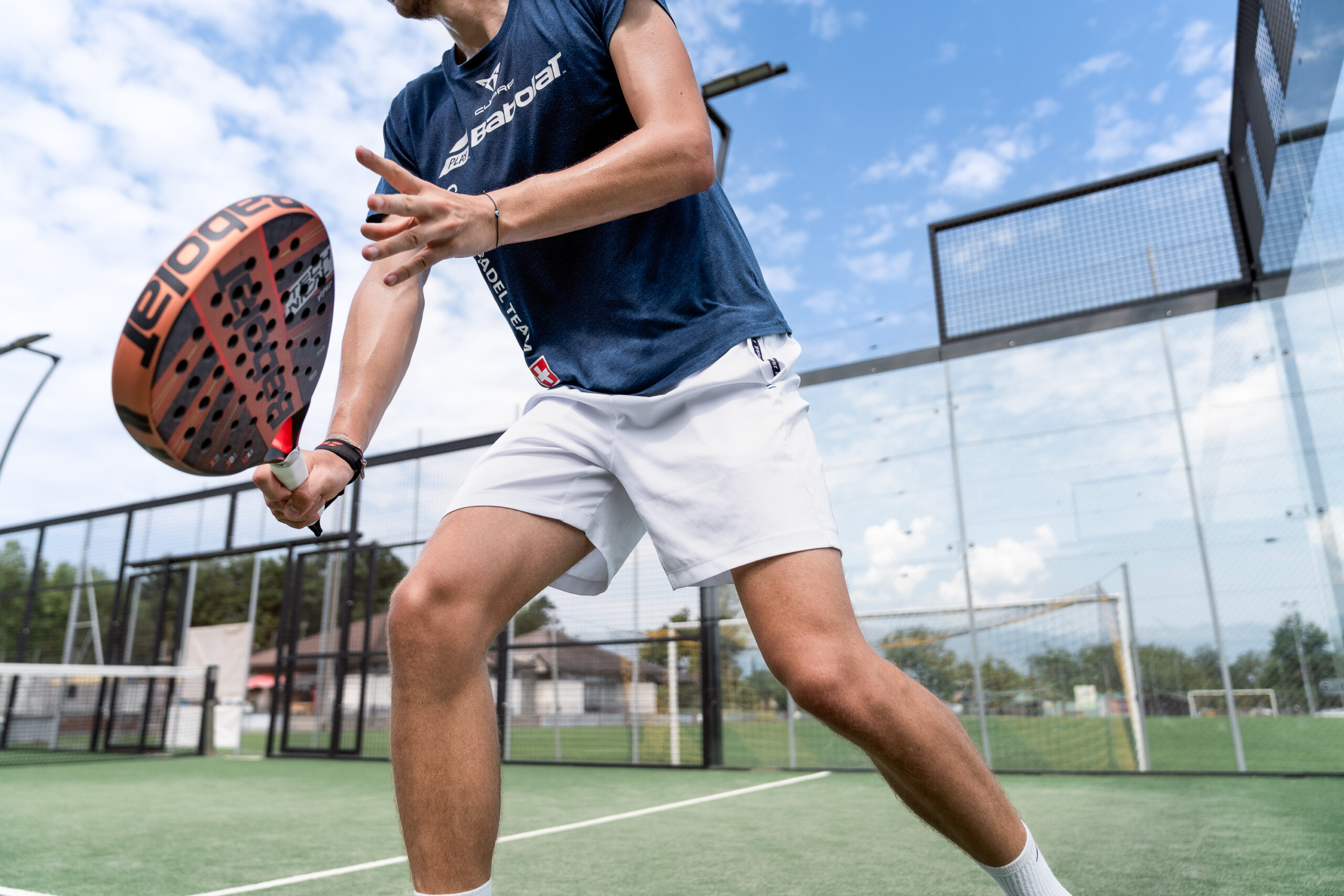
Effective non-surgical treatment is always part of a comprehensive approach to joint health. Lifestyle, body weight, level of physical activity, and nutritional quality directly influence the progression of musculoskeletal conditions and the response to treatments.
Adjusting training loads, optimizing nutritional intake, and preventing bone fragility are integral parts of the therapeutic strategy. A balanced diet, rich in essential nutrients, helps limit inflammation and support joint tissues. When appropriate, targeted supplementation (vitamin D, calcium, or other micronutrients) may be recommended to improve bone quality and strengthen the body's biological environment.
This comprehensive approach aims to create an environment conducive to recovery, slow degenerative progression, and maximize the benefits of other conservative treatments. It also allows for a sustainable approach to care, focused on prevention and long-term independence.
Each patient presents a unique situation. Age, activity level, functional expectations, and the stage of disease progression guide the therapeutic strategy.
Non-surgical treatment is always the preferred first-line option. It may combine several modalities to achieve optimal and lasting results. Surgery is only considered when conservative solutions have been optimized without providing the desired relief.
The objective remains constant: to preserve the joint when possible, restore mobility and sustainably improve quality of life.
We use cookies to improve your experience and analyze site traffic.
No medical data is collected via this site.
You can accept, decline, or customize your choice at any time.
