SURGICAL TREATMENT

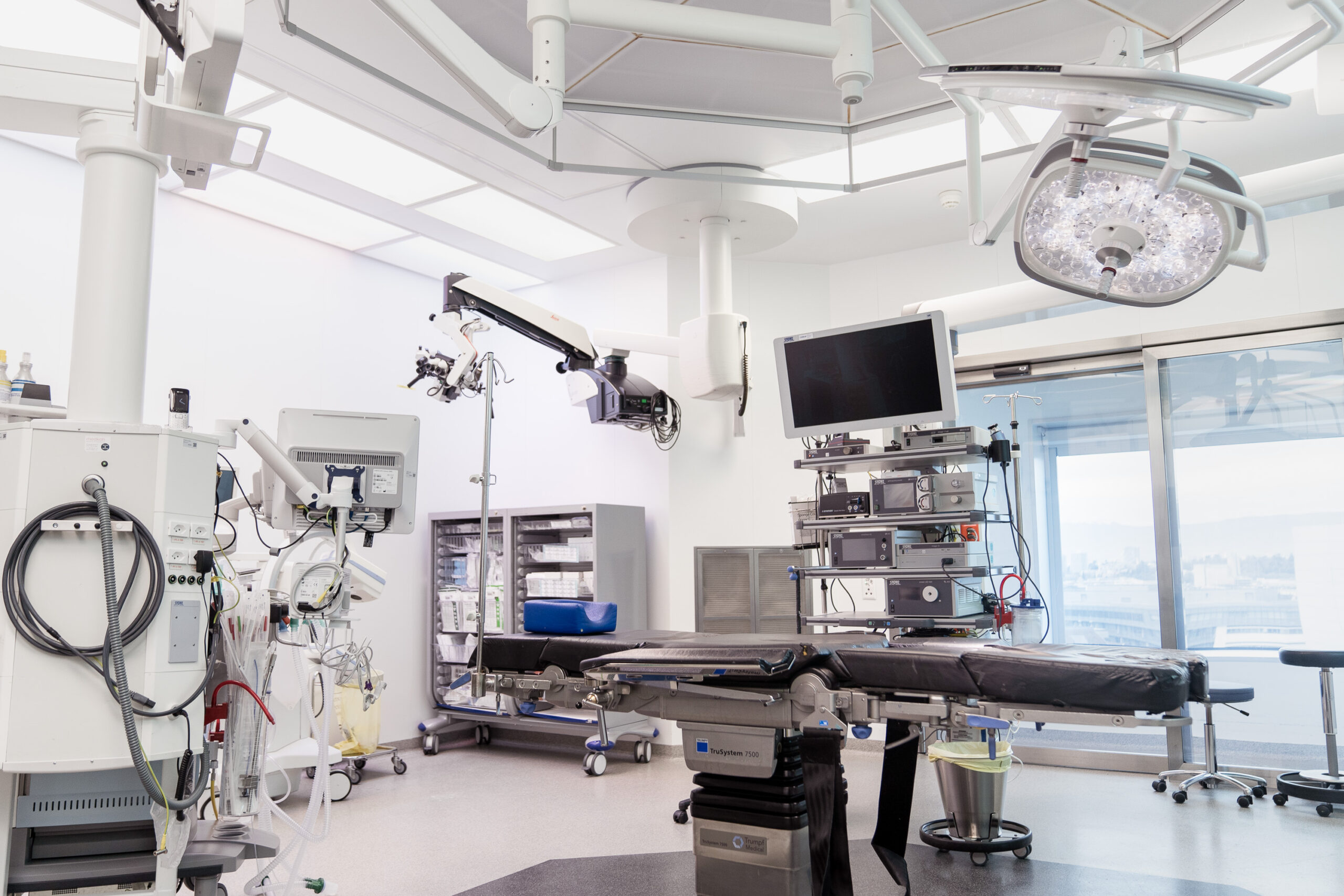
It is essential to move away from a standardized surgical approach, applied too systematically, to adopt a more individualized approach. Each surgical indication must be carefully formulated, each technique adapted to the patient’s profile, and the timing of the intervention chosen with precision. A clear understanding of the objectives, the course of the intervention and the requirements of the post-operative is essential to optimize results and ensure quality follow-up.
BESPOKE SURGERY

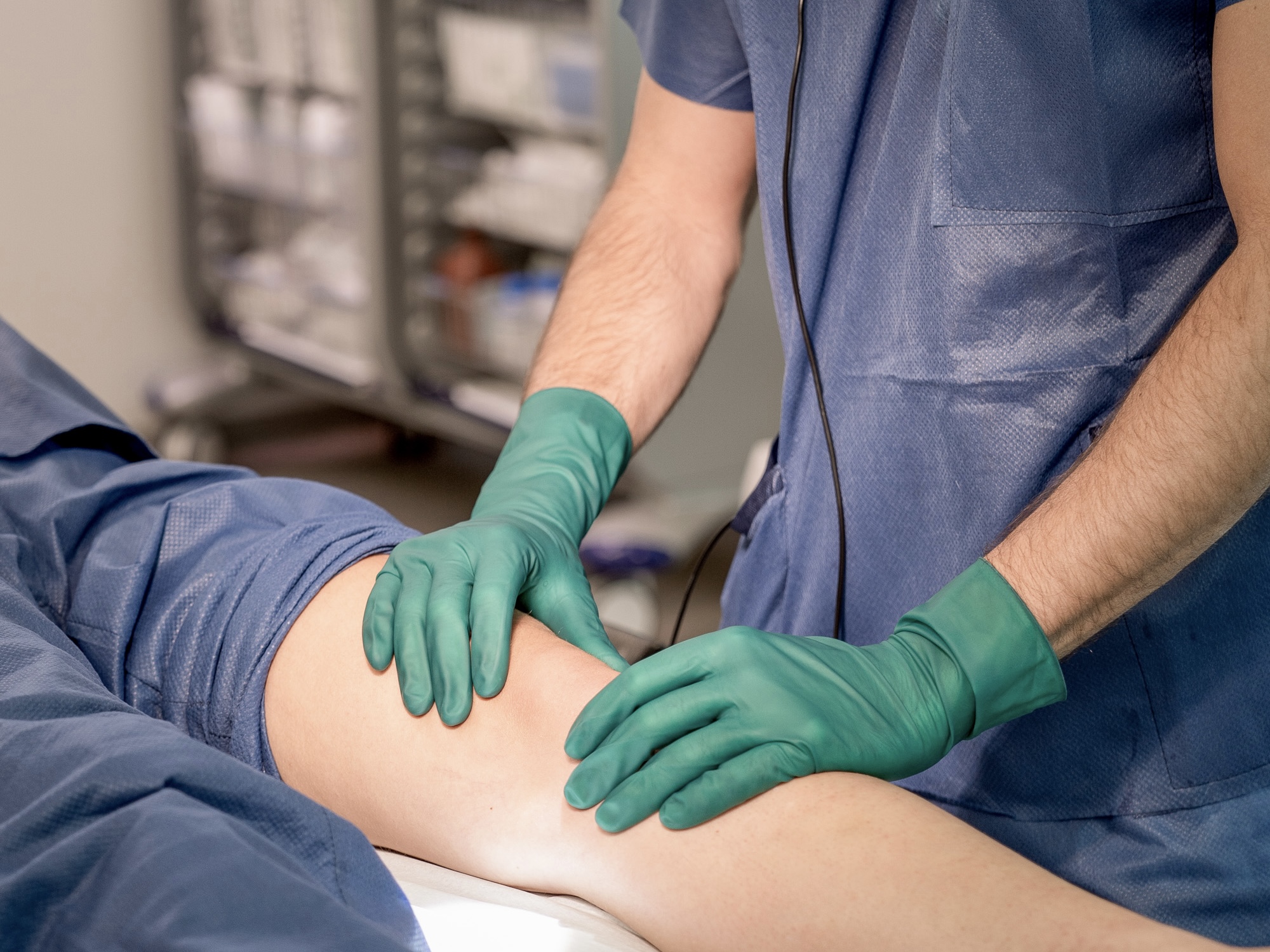
Each surgical indication is subject to a thorough analysis. The goal is never to apply a standardized solution, but to develop a strategy tailored to your anatomy, your pathology, and your functional expectations.

Surgical planning is based on a precise clinical evaluation and a detailed analysis of the imaging. The choice of technique, surgical timing, and postoperative protocol is carefully defined to optimize the results.

Surgery then becomes an act of precision, tailored to each individual, respecting the most demanding standards.

“My role is not only to operate, but to build with each patient the solution best suited to their case.” – Dr. Coulin

traitement chirurgical

COMPREHENSIVE SUPPORT

Whether the procedure is planned or an emergency, it always brings a level of anxiety. Each step will be thoroughly explained to provide you with maximum peace of mind at the time of surgery. We are committed to implementing the necessary measures to make this period as manageable as possible.

Post-operative care must be tailored to the nature of the surgery performed. rehabilitation Accompaniment by physiotherapists is crucial to ensure a full recovery. Close collaboration between the surgeon and the rehabilitation team helps maximize results and minimize post-operative complications.

Rapid rehabilitation protocols are used to minimize muscle loss, particularly when a prosthesis is involved, thus allowing a quick return to activities.

EARLY CARE

In certain situations, particularly in cases of trauma, fracture, or unstable joint injury, time is of the essence. Prompt surgical intervention helps preserve surrounding structures, optimizes healing conditions, and reduces the risk of secondary complications.

The care pathway is designed to minimize unnecessary delays while maintaining high standards of safety and pre-operative preparation. Each decision is made after a thorough clinical evaluation and precise analysis of imaging to ensure a suitable and appropriate surgical indication.

An intervention carried out within appropriate timeframes promotes a more harmonious functional recovery, limits long-term sequelae and improves the prospects of returning to daily or sporting activities.

Responsiveness never means haste: it is part of a rigorous, structured approach focused on the patient's best interests.

traitement chirurgical

Aesthetic and minimally invasive performance

The aesthetic dimension is an integral part of modern surgical thinking. A successful procedure is not measured solely by the disappearance of pain or the restoration of mobility, but also by the quality of the overall result.

When the indication allows, minimally invasive techniques These approaches are preferred. They aim to reduce tissue damage, limit blood loss, decrease post-operative pain, and accelerate functional recovery. These approaches often allow for shorter hospital stays and a faster return to activities.

Particular attention is paid to the precision of the incisions, respect for anatomical planes, and the quality of the skin closure. The aim is to preserve the harmony of the contours and minimize the visibility of scars.

This technical and aesthetic requirement is part of a global vision of surgery: restoring function while respecting bodily integrity, in order to obtain a result that is both effective, lasting and balanced.