

COLLATERAL LIGAMENT SURGERY
Collateral ligament surgery concerns the ligaments located on each side of the knee The medial collateral ligament (MCL) is located on the inside, and the lateral collateral ligament (LCL) on the outside. Depending on the injury, the surgeon may repair the ligament or reconstruct it using a graft.
The decision depends on the discomfort, the instability observed during the examination, the nature and location of the rupture, any associated injuries, treatments already tried, and the patient's activities. The presence of a rupture on imaging alone is not sufficient to justify surgery.
UNDERSTANDING ANTERIOR CRUCIATE LIGAMENT SURGERY
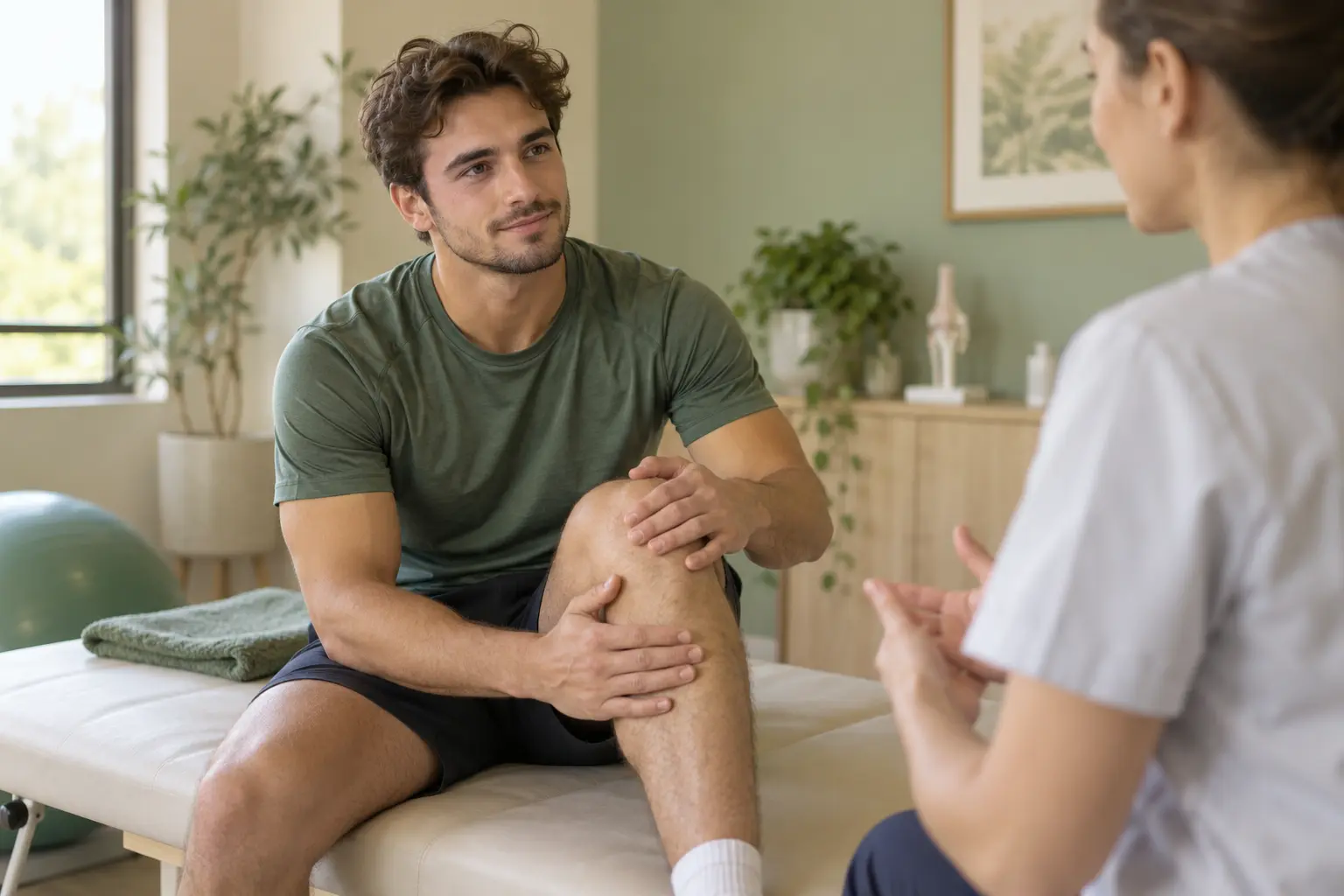
WHEN TO CONSIDER COLLATERAL LIGAMENT SURGERY?
Surgery may be discussed when the rupture results in significant or persistent instability, or when it is part of a complex knee injury.
- Complete rupture with persistent instability
If the knee remains unstable despite appropriate treatment, repair or reconstruction may be considered. - Repairable ligament tear
Some ruptures near the bone attachment can sometimes be repaired, depending on the quality of the tissues and the time elapsed since the trauma. - Injury to the lateral collateral ligament or the posterolateral corner
Severe damage to the external side can compromise stability and may require reconstruction, sometimes in combination with other procedures. - Damage to several ligaments
When collateral injury accompanies a cruciate ligament rupture or knee dislocation, a comprehensive strategy may be necessary.
A partial sprain of the MCL often heals without surgery. Initial treatment may include protection, a brace, and physical therapy. The decision to operate is based on the clinical examination and a complete assessment, and may be deferred if the knee is too painful or stiff to allow for a satisfactory recovery.
PREPARE FOR THE INTERVENTION
The preparation serves to refine the procedure, assess the general condition and organize the first weeks after the operation.
PRE-OPERATIVE ASSESSMENT
The surgeon reviews the circumstances of the injury, examines the stability and mobility of the knee, and analyzes any relevant imaging studies. Depending on the case, further tests or examinations, as well as an anesthesia consultation, are scheduled.
INTERVENTION PLANNING
The technique is chosen according to the ligament affected, the location of the rupture, the quality of the tissues, and any associated injuries. The surgeon determines whether a repair is possible or if a graft is necessary, as well as the method of fixation.
PHYSICAL PREPARATION AND PRACTICE
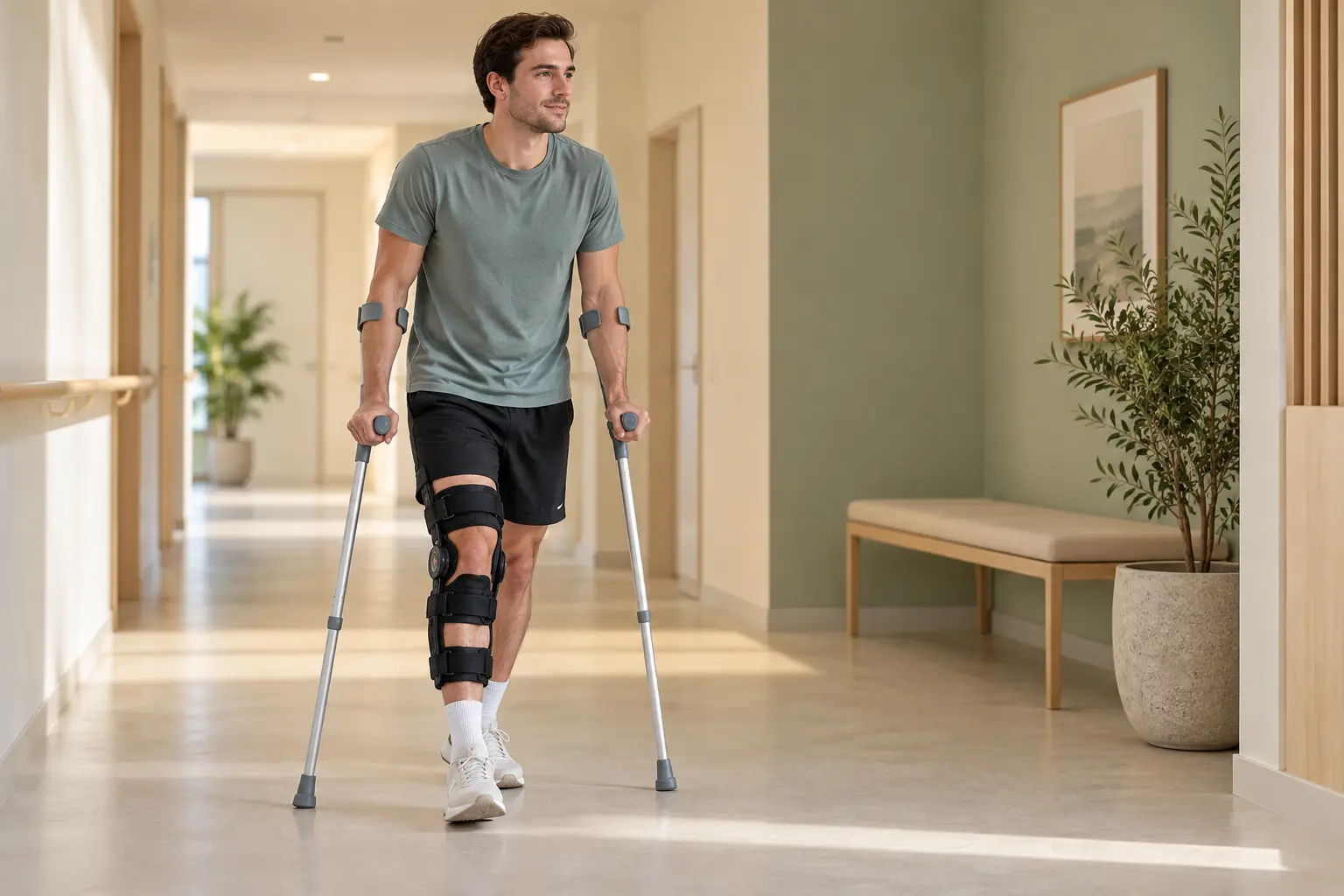
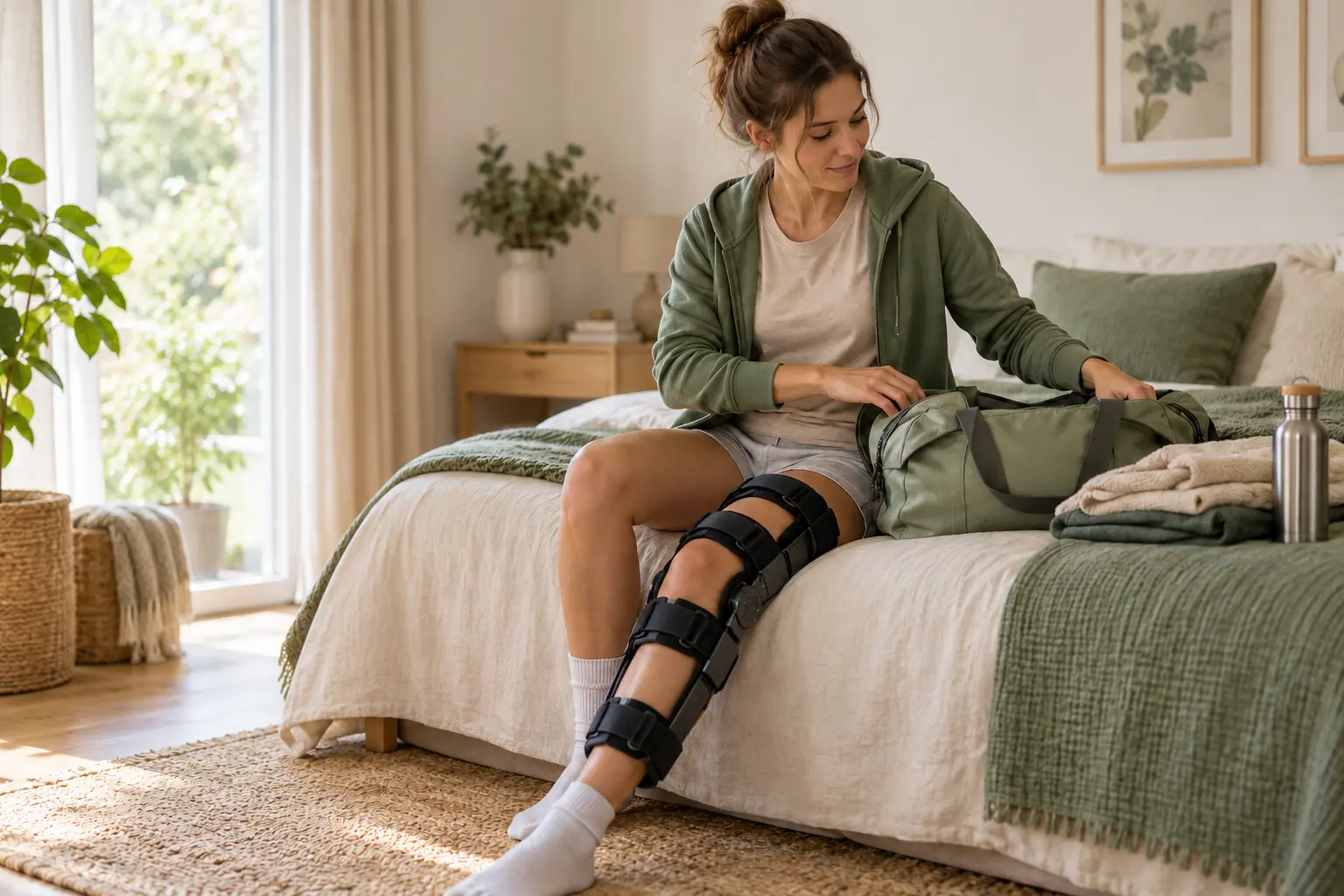
Pre-operative physiotherapy may be offered to improve mobility and muscle activation when the situation allows. It is helpful to plan ahead for returning home, getting around, and, if anticipated, the use of crutches or a splint.
INSTRUCTIONS BEFORE THE OPERATION
The team provides instructions regarding fasting, hygiene, and skin preparation. Regular medications should not be stopped without medical advice; smoking and current treatments are discussed with the team.
HOW DOES THE PROCEDURE WORK?
The procedure varies depending on whether it involves repair or reconstruction, the side of the knee affected, and any associated injuries. Collateral ligament surgery is generally performed via an open approach; arthroscopy may be used in conjunction to examine or treat the inside of the knee.
INSTALLATION AND ANESTHESIA
After identity checks, verification of the side to be operated on, and review of the medical file, the patient is positioned on the operating table. General or regional anesthesia may be offered depending on the anesthesiologist's assessment. The skin is disinfected, and the knee is prepared under sterile conditions.
ACCESS TO THE TREATED AREA
The surgeon makes an incision tailored to the ligament involved, the injury, and the chosen surgical technique. They carefully expose the area to be treated and identify surrounding structures, particularly the peroneal nerve on the lateral side. Arthroscopy may be performed to complement the procedure if the examination or treatment of an intra-articular lesion requires it.
Treatment of the lesion
If the ligament is in good condition and still mobile, the surgeon can reattach it to its bony attachment, sometimes using anchors or sutures. When the tissues are too damaged or the instability is long-standing, the ligament can be reconstructed with a tendon graft taken from the patient or from a donor. The graft is positioned according to the ligament's anatomical path and then fixed to the femur and tibia or fibula using a suitable system. The procedure may be combined with the repair of other structures if the assessment indicates it.
RESULT CONTROL
The surgeon checks the tension of the repaired or reconstructed ligament, the stability of the knee, and its mobility. He also checks the position of the fixations and ensures that the surrounding structures are preserved.
CLOSURE AND END OF THE PROCEDURE
After washing and controlling the bleeding, the tissues and skin are closed, and a dressing is applied. A splint may be put in place depending on the procedure performed. The patient is then transferred to the recovery room for observation.
The duration of the procedure and hospitalization vary depending on the complexity of the surgery, any associated procedures, and the organization of the center; these details are specified during the pre-operative consultation. Intraoperative radiographic monitoring is not routinely performed.
The technical objective is to restore appropriate lateral stability without hindering knee mobility.
WHICH SURGICAL TECHNIQUE SHOULD BE CHOOSED?
Direct repair and reconstruction address different situations. The choice depends on the ligament affected, the location of the tear, and the quality of the tissues.
The intervention can also be adapted in cases of combined injuries. The strategy then aims to treat the necessary structures and to organize a recovery compatible with protecting the repairs.
DIRECT REPAIR
The ligament is reattached at its insertion point when it is still in good condition and the injury is amenable to repair. This option preserves the ligament tissue, but is not suitable for all ruptures, particularly when the tissues are too damaged.
RECONSTRUCTION BY GRAFTING
A tendon graft replaces the function of the deficient ligament. It can come from a tendon of the patient or from a donor; the choice depends on the context, the available tissues and the associated procedures.
FIXATION OF THE GRAFT OR LIGAMENT
Sutures, anchors, or bone fixation devices hold the repaired ligament or graft in place. The type of fixation depends on the anatomy and the technique used.
ASSOCIATED GESTURES
Arthroscopy or repair of another ligament may be added if the assessment reveals an associated injury that alters knee stability. This does not mean that all visible lesions require surgery.
No single technique is suitable for all patients: the choice depends on the injury, the examination, and the recovery goals.
AFTER THE PROCEDURE: THE FIRST STEPS
In the recovery room, the team monitors the patient's general condition, pain level, and the operated limb. Initial mobilization exercises are organized according to the repair or reconstruction performed.
The guidelines for support and mobility depend on the ligament being treated, the strength of the fixation, and any associated injuries.
WAKE-UP AND PAIN ROOM
Pain is assessed and treated according to the established protocol. The team also monitors the dressing, circulation, and sensation in the limb. Drinking and eating are resumed when the patient's condition and anesthetic instructions allow.
SUPPORT, WALKING AND SPLINTING
A hinged splint and crutches may be necessary for a period determined by the surgeon. Weight-bearing may be permitted, limited, or temporarily avoided depending on the stability achieved and the associated movements. The physiotherapist will assist with the first mobilizations when planned.
RETURN HOME AND MONITORING
The length of hospital stay depends on the procedure and the patient's condition; a stay of a few days may be necessary, particularly for complex surgery. Dressing care, scar monitoring, and the follow-up appointment are explained before discharge. The team should be contacted if you experience fever, significantly worsening pain, significant redness, or any problems with sensation or circulation.
REHABILITATION AND RESUMPTION OF ACTIVITIES
There Rehabilitation protects the ligament repaired or rebuilt while helping the knee to recover gradually.
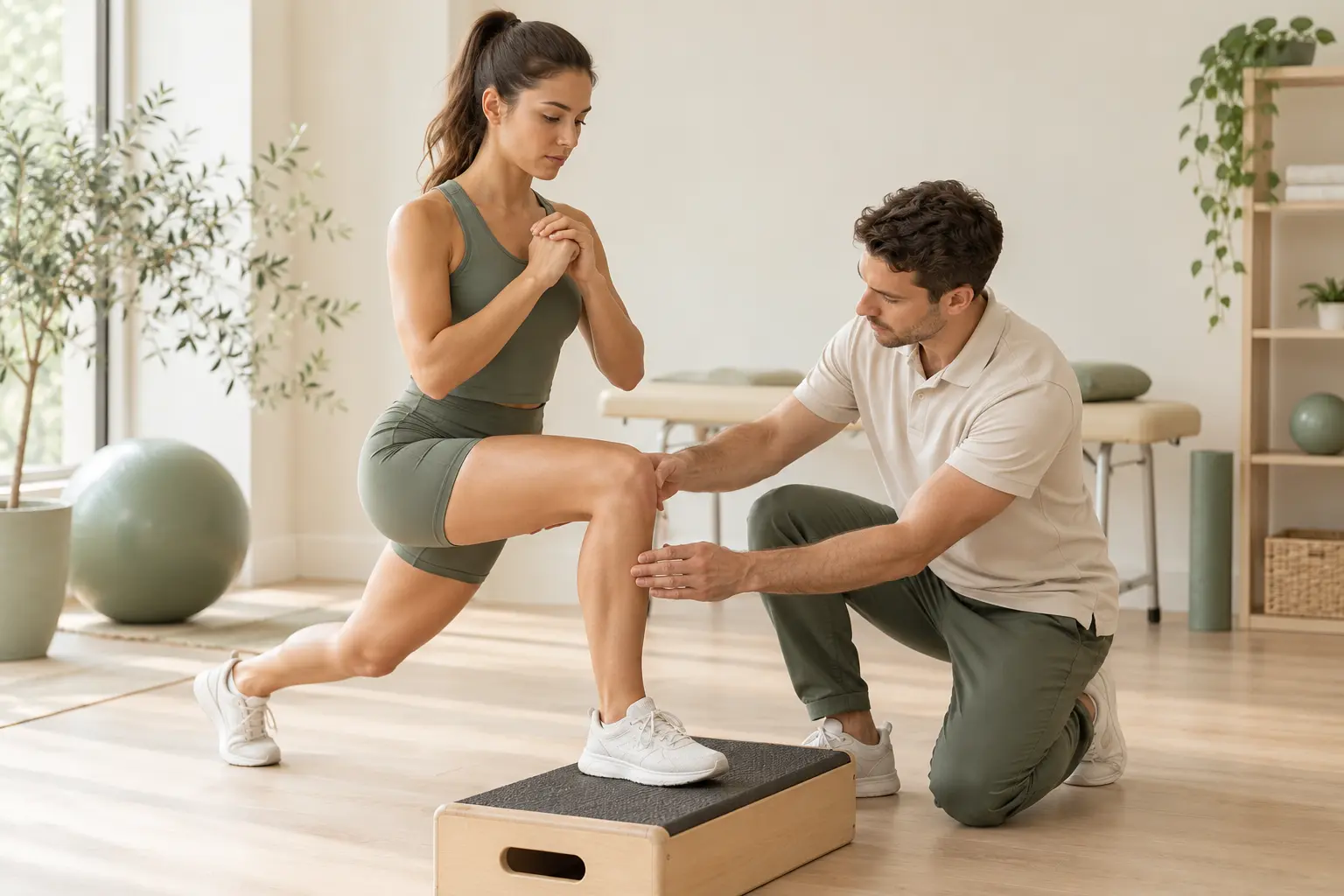
Initially, the goals are to control pain and swelling, protect the scar, regain permitted mobility, and reactivate the thigh muscles. The program respects the limits set by the surgeon, particularly regarding weight-bearing and range of motion.
The progression generally includes mobility work, muscle strengthening, balance, and movement control. The exercises evolve according to healing, stability, and the knee's response.
Walking, climbing stairs, driving, and work are resumed according to permitted weight-bearing capacity, muscle control, pain levels, and the ability to move safely. Sedentary work and physical work do not involve the same constraints; the schedule is individualized.
Sport is being resumed in stages, Activities involving pivoting, changes of direction, or contact require functional assessment and medical validation, after sufficient recovery of knee strength, mobility, and control.
Recovery depends on healing and regained abilities, not just on the time elapsed.
EXPECTED RESULTS, LIMITATIONS AND RISKS
The decision weighs the expected stability, the constraints of recovery, and the risks specific to the patient's situation.
OBJECTIVES AND EXPECTED RESULTS
The procedure aims to improve lateral knee stability and facilitate functional recovery. The outcome also depends on associated injuries, wound healing, and rehabilitation.
Boundaries
Recovery varies from person to person. Pain, stiffness, or a feeling of instability may persist; surgery does not guarantee a return to previous athletic performance. Associated injuries may also prolong or limit recovery.
Risks and complications
Like any surgery, it carries risks of infection, hematoma, phlebitis, stiffness, or persistent pain. Nerve or vascular damage is rare but possible; the risk of nerve damage is particularly considered for surgery on the outer side of the knee. The repaired or reconstructed ligament may not heal as expected, and further surgery may sometimes be considered. The team implements preventative measures and provides appropriate follow-up care.

AN INTERVENTION TAILORED TO EACH PATIENT
Two people with a collateral rupture do not necessarily require the same treatment. Some injuries heal with protection and physiotherapy; others cause instability that warrants surgery.
Dr. Benoît Coulin takes into account age, anatomy, tissue quality, the extent of the tear, associated injuries, previous treatments, activity level, and professional requirements. Personal goals and rehabilitation constraints also play a role in the decision.
The technique, the timing of the intervention, and the postoperative program are tailored to these factors. The priority is to offer a procedure consistent with the injury and the anticipated recovery path.
«"Knee stability is treated by taking into account not only the injury, but also the individual and their goals." — Dr. Benoît Coulin
FREQUENTLY ASKED QUESTIONS
HAVE YOU BEEN OFFERED COLLATERAL LIGAMENT SURGERY?
Clinical examination and imaging analysis help to define the lesion, compare treatment options and choose a strategy tailored to your knee and your goals.
