
BONE CONTUSIONS AND EDEMA
A bone contusion is an injury to the bone following a blow or twist. It may be accompanied by bone edema, that is, a reaction within the bone, without necessarily involving a fracture.
Pain and discomfort vary depending on the affected area and any associated injuries. Treatment aims to protect the joint, relieve symptoms, and support a gradual return to activities.
UNDERSTANDING BONE CONTUSIONS AND EDEMA

-
This area is located just below the cartilage and can be affected during a joint impact.
-
Bone edema corresponds to a change in the signal of the bone, which may be associated with pain.
-
Trauma can also affect the cartilage, depending on the mechanism and intensity of the impact.
-
Ligaments, menisci or tendons can be injured at the same time and contribute to the symptoms.
RECOGNIZING THE SYMPTOMS
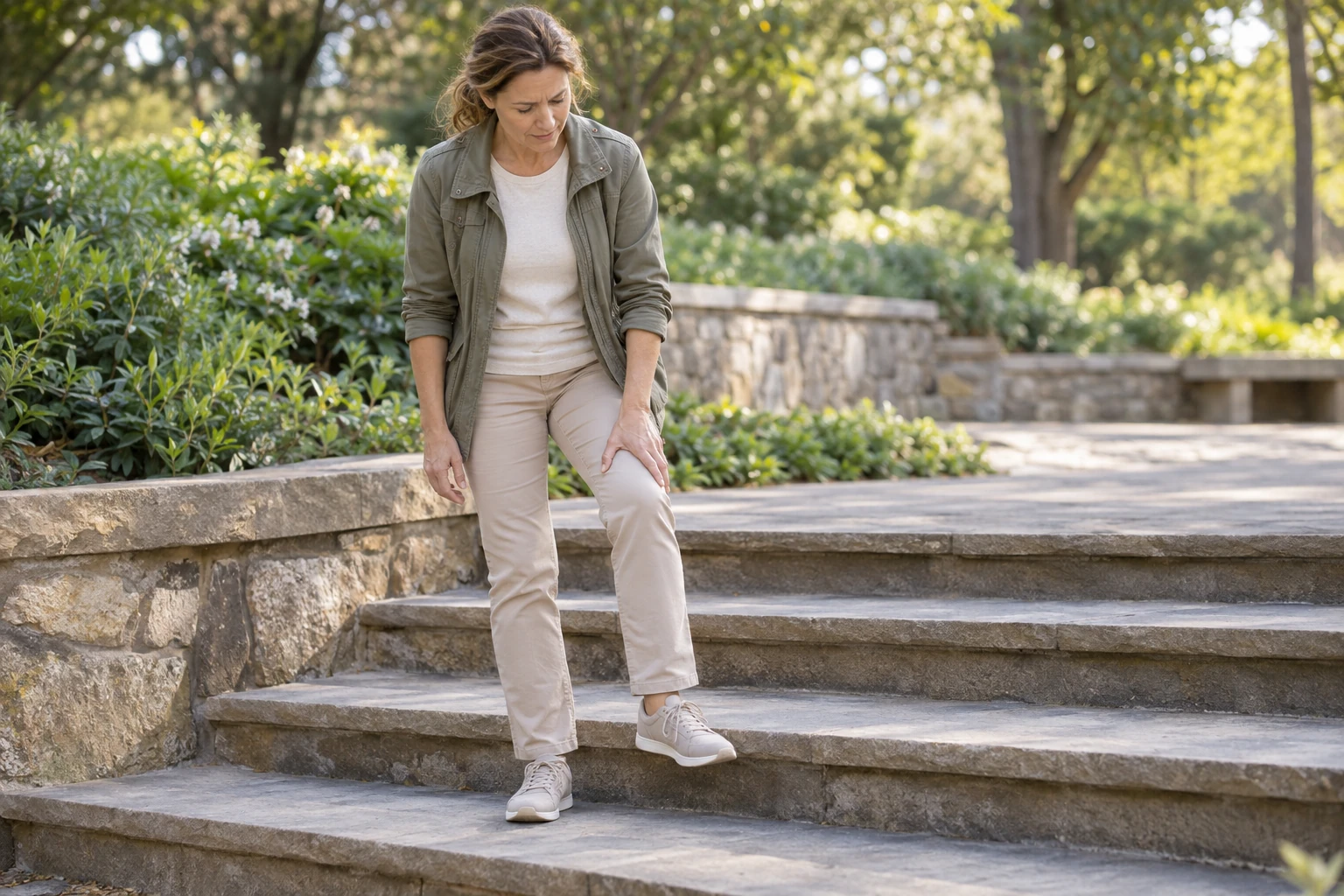
Bruises often appear after a direct impact, a fall, or a twisting motion. The pain may be immediate or intensify over the following hours, especially when the joint is used.
Localized pain
It is located in the affected area and may increase with weight-bearing or movement. Its intensity alone is not sufficient to determine if a fracture is present.Swelling
Swelling may appear around the joint. This may be related to the tissue reaction or to an associated injury.Discomfort when supporting or moving
Walking, bending, or certain activities may become difficult. The degree of discomfort depends on the affected area and the nature of the injury.Rigidity and sensitivity
The joint may be stiff or tender to the touch. These symptoms may change over time.
These signs can also be caused by a fracture or ligament or meniscal injury. A clinical evaluation helps to determine the origin of the pain.
HOW DOES A BONE CONTUSION OCCUR?
Bone contusions are usually related to trauma. The mechanism helps guide the examination, but is not sufficient to precisely determine the structures involved.
Direct collision
A fall or impact can compress the bone and tissues around the joint.
Joint torsion
A sudden movement of the knee or hip can transmit stress to the bone, even without a direct impact.
Collision between bones
In some traumas, bone surfaces can come into forceful contact and cause a contusion.
Associated lesions
A contusion may accompany a sprain or damage to the cartilage, meniscus or ligament.

MAKE THE RIGHT DIAGNOSIS
The diagnosis is based on the circumstances of the trauma, the symptoms, and the clinical examination. Imaging is chosen according to the observed signs and the suspicion of associated injuries.
01 — Understanding Trauma
The doctor specifies the mechanism, the painful area, the evolution of the swelling and the difficulties in putting weight on or moving the joint.
02 — Examine the joint
The clinical examination assesses pain, mobility, stability, and tender areas. It helps to look for other injuries.
03 — Choosing the right imaging
An X-ray may be ordered to look for a fracture. An MRI may be considered if the symptoms or examination suggest bone edema or an associated injury.
Imaging should always be interpreted in light of the clinical examination and symptoms.
PROMOTING NON-SURGICAL RECOVERY
Most bone contusions are treated without surgery. Treatment depends on the pain, location, and any associated injuries.
The goal is to temporarily protect the affected area, while avoiding immobilization or a longer-than-necessary cessation of activity. The progression should be adapted to the evolution of symptoms.
Adapting support and activities
Walking and activities that significantly increase pain can be temporarily reduced. Crutches may be helpful if weight-bearing is painful, depending on medical assessment.
Relieve pain
Relative rest and pain relief measures can help manage symptoms. The choice of medication should take into account the individual situation and any potential contraindications.
Protect the joint
A splint or temporary protection may sometimes be recommended, particularly if an associated injury warrants it. Its duration depends on the examination and the patient's progress.
Gradually resume the movement
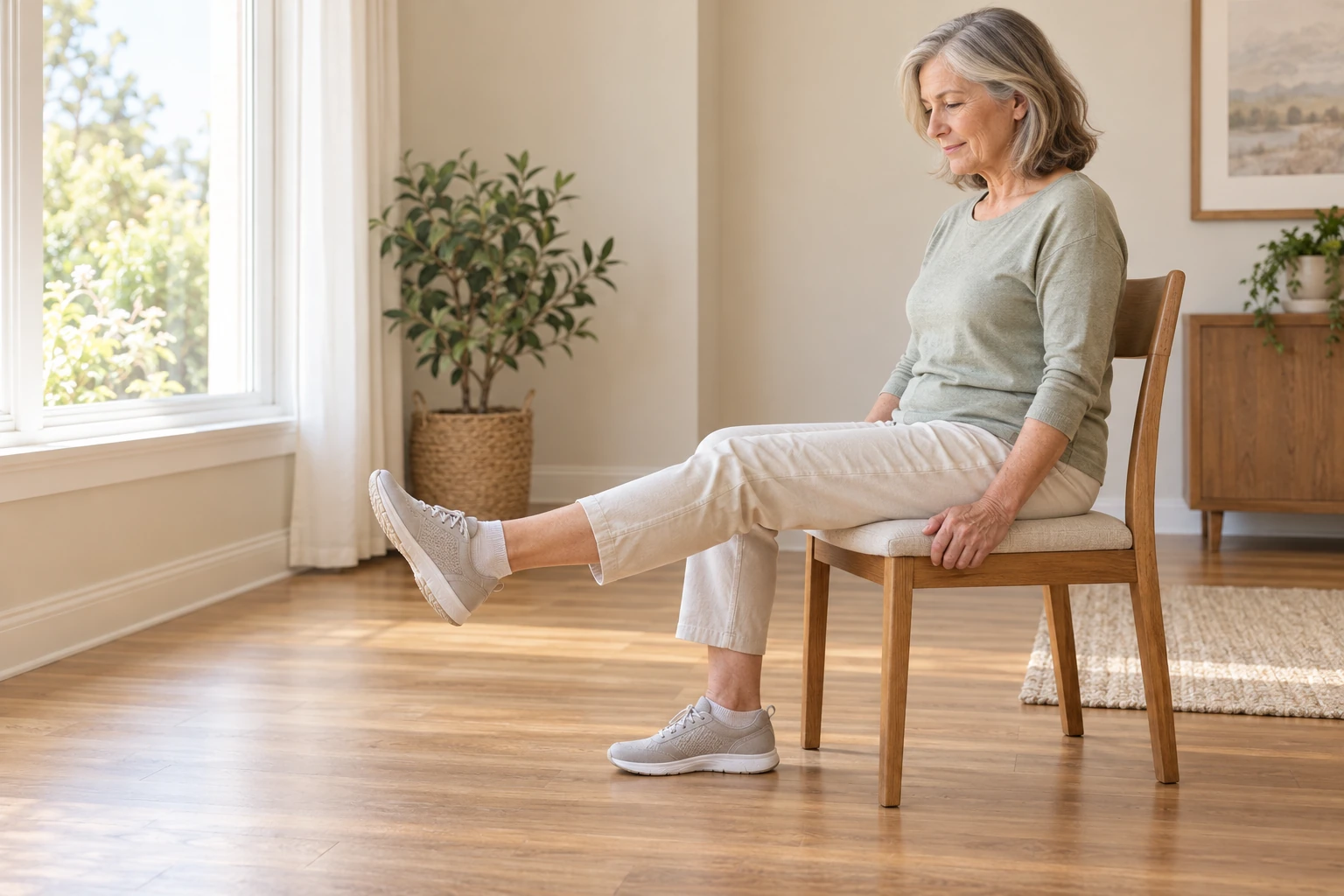
Physiotherapy can support the recovery of mobility and strength when indicated. Exercises and progression are tailored to the pain level and the joint's tolerance.
The resumption of activities is gradual, depending on the progress and medical recommendations.
WHY IS SURGERY RARE?
An isolated bone contusion generally does not require intervention. Surgery may be considered if the evaluation reveals another injury that warrants it.
The decision takes into account symptoms, clinical examination, imaging results, and functional impairment.
Continue conservative treatment
When the contusion is isolated and the outcome is favorable, protecting the joint and a gradual return to activity may be sufficient.
Reassess persistent symptoms
If the pain or discomfort remains significant, further examination may be necessary to look for an associated injury or to reassess the management.
Treating an associated lesion
Intervention may be considered in certain situations if an unstable fracture or other injury warrants it. The choice depends on the complete diagnosis.
GRADUALLY RESUME ACTIVITIES
Initially, it may be necessary to reduce activities that cause significant pain. Protecting the joint depends on the location of the bruise and any associated injuries.
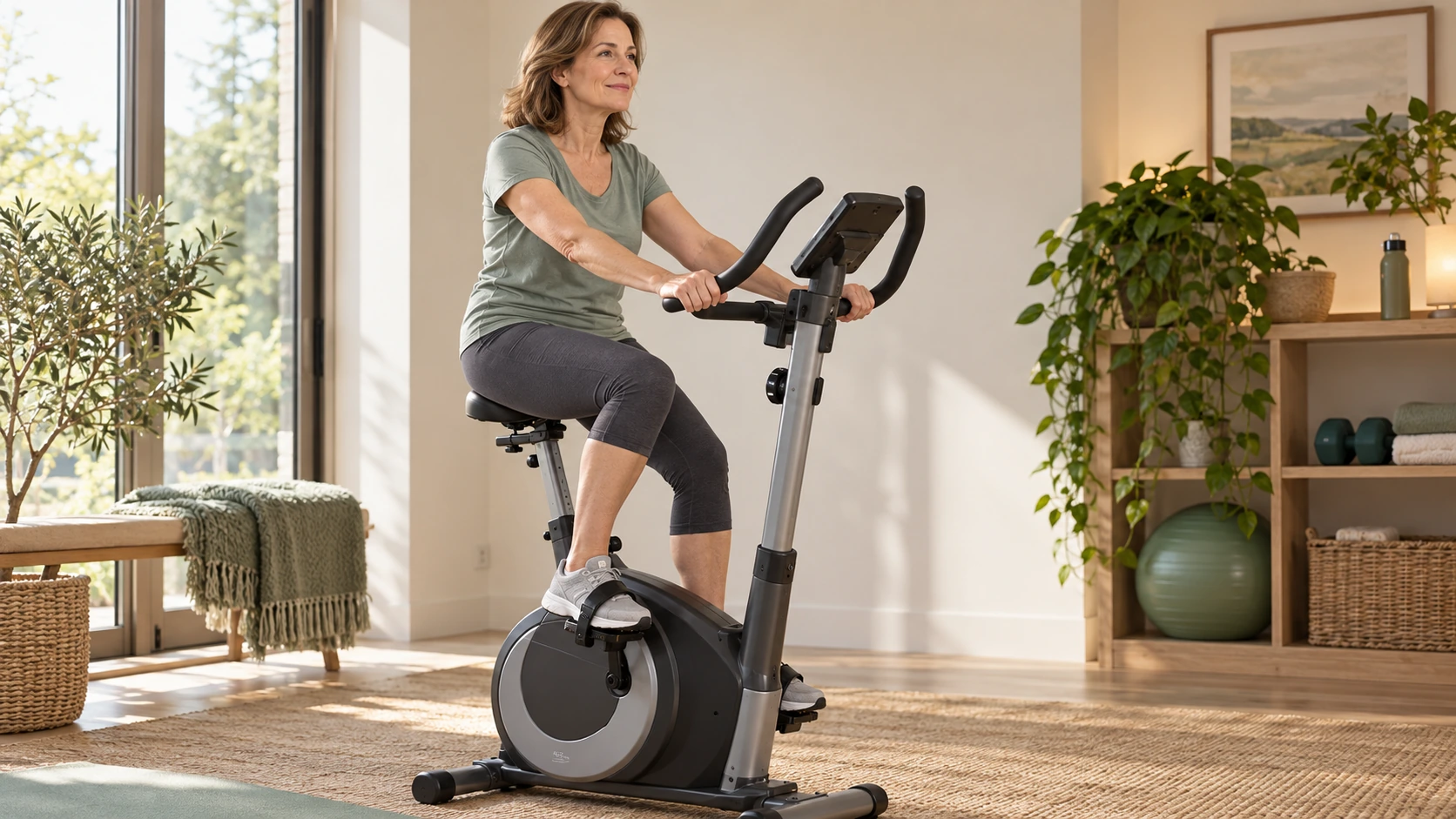
Resuming movement is a gradual process. Walking and mobility exercises can be adapted according to tolerance, and then physiotherapy can support the return to strength and usual movements.
Mild discomfort may occur during recovery, but pain that increases significantly or swelling that increases should lead to adjusting the activity and seeking advice.
The return to work or sport depends on the progress of the condition, the demands of the activity, and medical advice. No single timeframe is suitable for all patients.
Progress should follow the recovery of the joint and the instructions received.
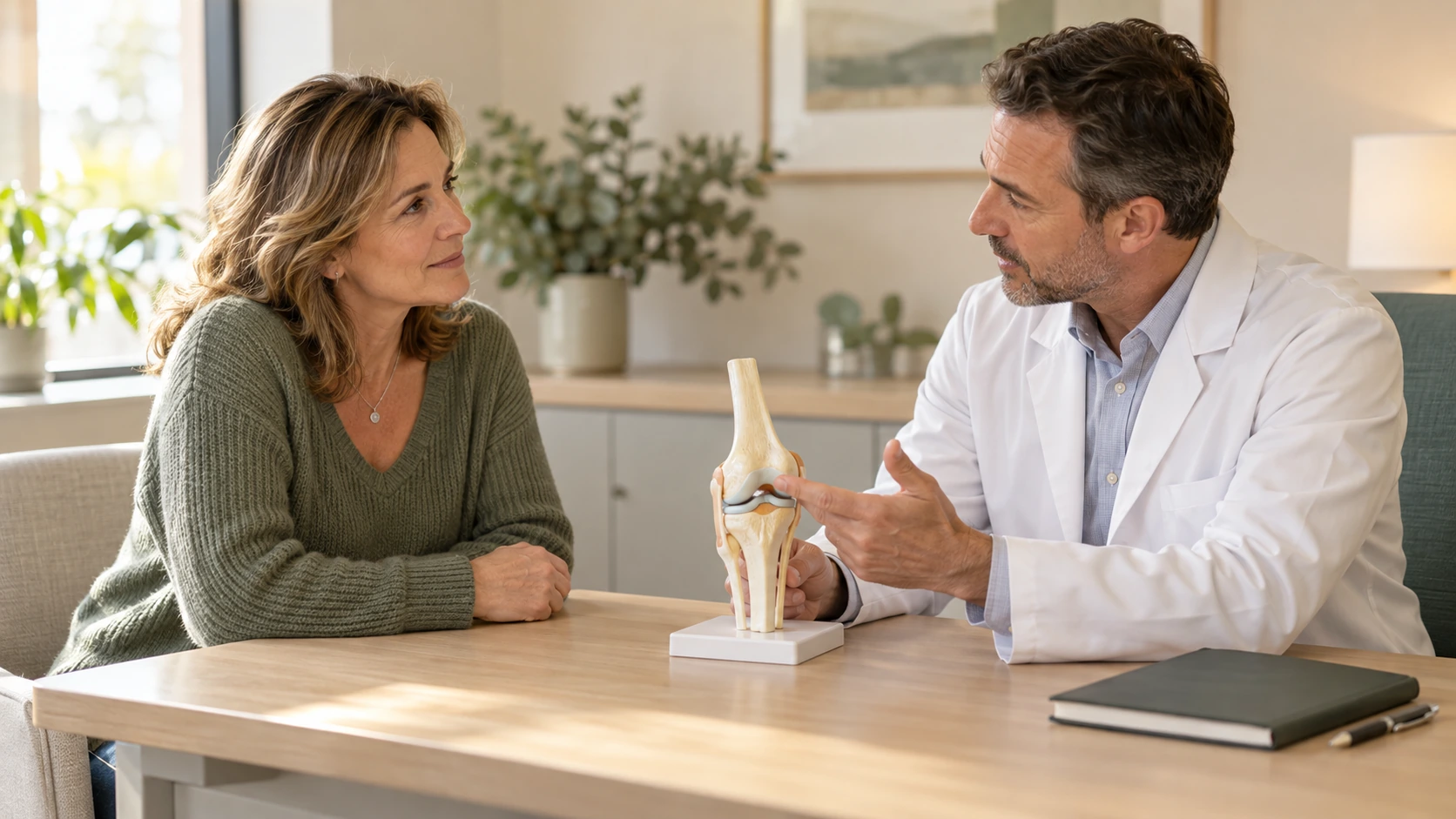
A CARE APPROACH TAILORED TO EACH PATIENT
A bone contusion does not manifest itself in the same way in all patients. The location, the intensity of the symptoms, and any associated injuries influence the management.
Dr. Benoît Coulin takes into account the mechanism of injury, clinical examination, usual activities and imaging results when indicated.
Joint protection, pain management, and gradual return to activity are discussed on a case-by-case basis. Intervention is only considered if another injury warrants it.
«"Treatment depends on the injury and its impact, not on an isolated image."»
FREQUENTLY ASKED QUESTIONS
Is the pain still present after an impact?
A clinical examination and, if necessary, appropriate imaging can help to determine the origin of the symptoms and to propose a personalized treatment plan.
