

Lateral collateral ligament (LCL) sprain
The lateral collateral ligament, also called the fibular collateral ligament or external collateral ligament, contributes to the stability of the outer side of the knee. Its injury can be partial or complete and occur alone or in conjunction with damage to other structures.
Treatment depends on the severity of the injury, the stability of the knee, and the patient's goals.
An operation is not systematic.
UNDERSTANDING LATERAL COLLATERIAL LIGAMENT SPRAIN
THE lateral collateral ligament (LCL) It is located on the outer side of the knee. It connects the outer part of the femur to the head of the fibula, also called the peroneal bone. It helps control excessive outward opening of the knee and provides lateral stability to the joint.

-
This ligament is located on the outer side of the knee. It connects the femur to the head of the fibula and helps to stabilize the joint.
-
The femur is the thigh bone. The lateral collateral ligament attaches to its outer part, near the knee.
-
The fibula, also called the peroneal bone, is the small bone located on the outer side of the leg. Its head forms the lower attachment of the ligament.
-
The tear may be partial or complete. Its location and extent must be assessed with clinical examination and imaging.
RECOGNIZING THE SYMPTOMS
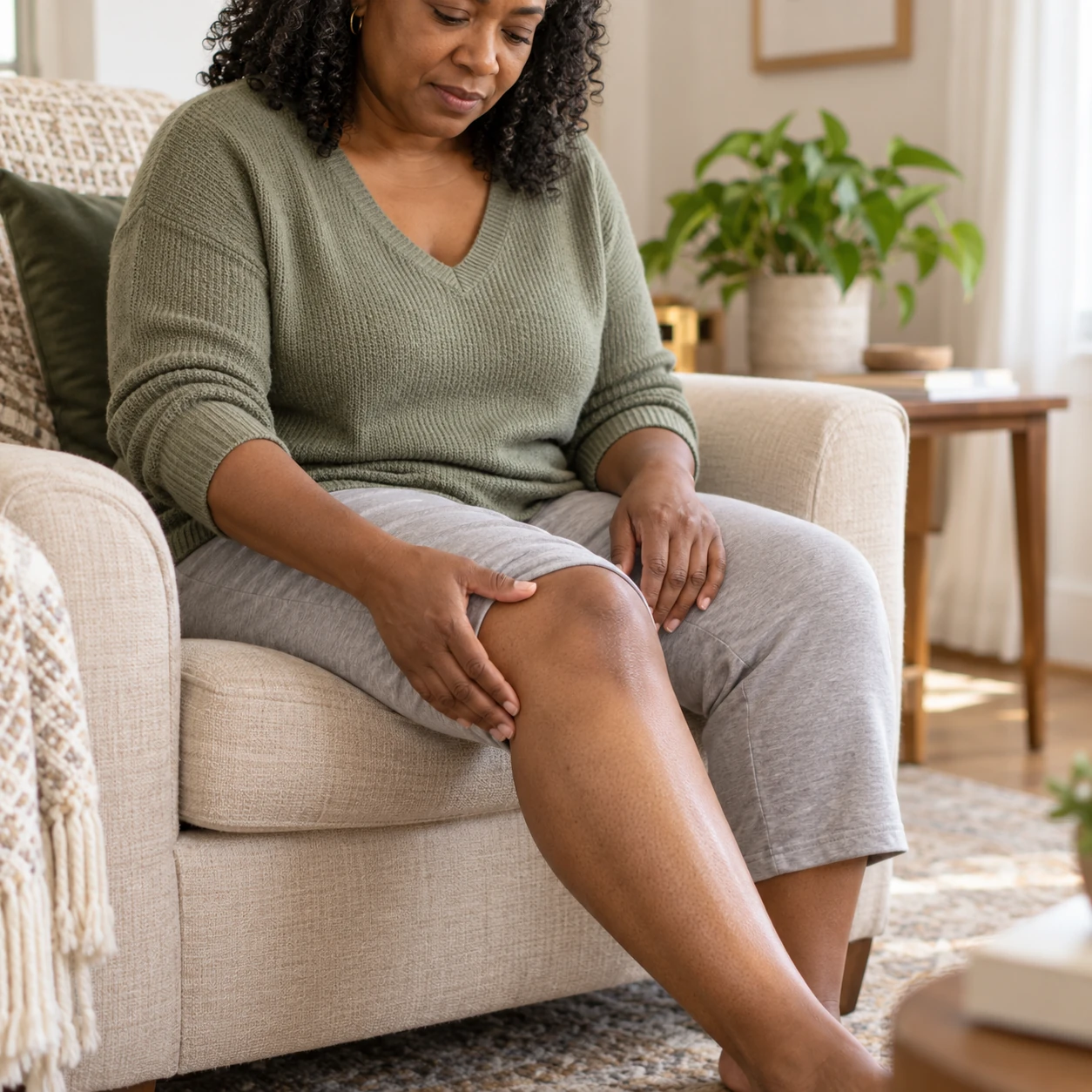
An injury to the lateral collateral ligament It can cause pain on the outside of the knee. Symptoms vary depending on the extent of the tear and the possible presence of other injuries.
- External pain: often felt after a shock, a twist or a hyperextension.
- Swelling or bruising: Their presence and importance vary depending on the trauma.
- Restriction of movement: Walking, bending the knee, or moving laterally can become painful.
- Feeling of instability: In some injuries, the knee may appear to give way or lack support.
These signs can also be caused by a meniscal tear, a fracture, or damage to another ligament. An examination will help determine the cause.
HOW DOES A BREAKUP HAPPEN?
A rupture of the lateral collateral ligament occurs when the knee is subjected to significant stress on its outer side. The assessment also aims to determine if other structures have been affected.
IMPACT ON THE INNER SIDE OF THE KNEE
An impact on the inner side can push the knee outwards and put the ligament under tension.
SUDDEN LATERAL MOVEMENT
A sudden change of direction or lateral movement can put significant stress on the outer side of the knee.
HYPEREXTENSION
A knee forced backwards can cause ligament damage, sometimes associated with other injuries.
COMPLEX TRAUMA
After a significant trauma, several ligaments or structures of the knee may be injured simultaneously. The assessment then focuses on the entire joint.
MAKE THE RIGHT DIAGNOSIS
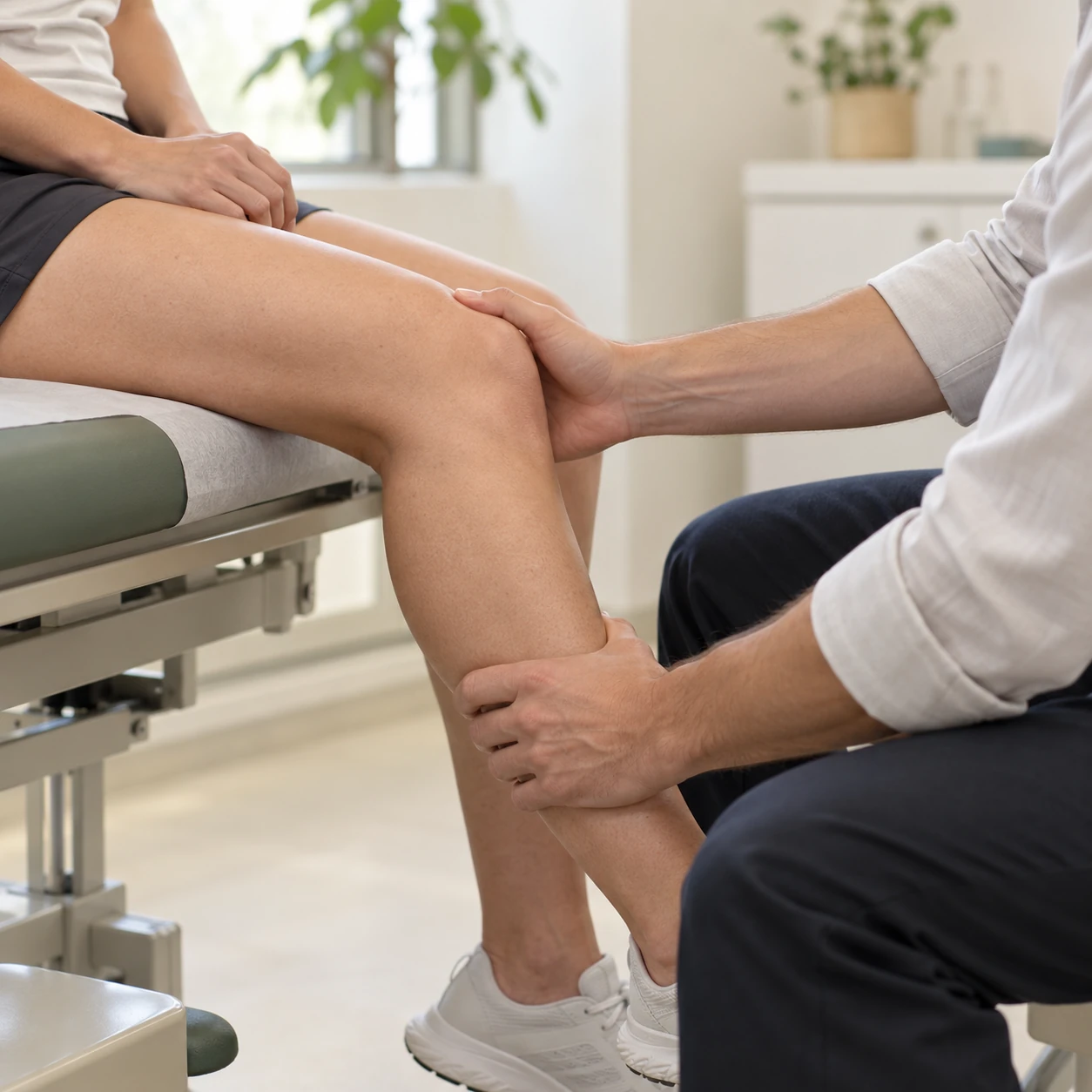
The assessment combines the circumstances of the trauma, clinical examination, and, if necessary, imaging studies. It allows for a more precise description of the injury and the detection of other knee injuries.
01 — THE CLINICAL EXAMINATION
The doctor examines the pain, swelling, mobility, and stability of the knee. Specific tests can help assess the lateral collateral ligament and compare both knees.
02 — X-RAYS
They may be requested to look for an associated fracture or avulsion fracture.
03 — MRI AND ADDITIONAL EXAMINATIONS
MRI can provide more precise information about the ligament and look for associated damage to the menisci, other ligaments, or cartilage. The choice of tests depends on the injury and the results of the clinical examination.
Imaging is interpreted in conjunction with symptoms and examination; it does not alone determine treatment.
RELIEVING KNEE PAIN WITHOUT SURGERY
Some lateral collateral ligament injuries can be treated without surgery. Treatment is tailored to the severity of the injury, the stability of the knee, and its progression.
ADAPT THE ACTIVITIES
Movements that trigger pain or put too much stress on the knee can be temporarily reduced. The goal is to protect the knee during recovery without imposing prolonged, unnecessary immobilization.
PROTECT THE KNEE IF NECESSARY
A splint may be recommended depending on the type of injury and the examination results. Instructions for weight-bearing and mobilization are provided on a case-by-case basis.
PHYSIOTHERAPY AND STRENGTHENING
Physiotherapy supports the recovery of mobility, strength, and control of the knee. Exercises progress according to pain levels and regained stability.
MONITORING PROGRESS
Follow-up appointments allow us to verify that the pain is decreasing and that knee function is improving. A persistent feeling of instability or discomfort that does not improve requires reassessment.
→ Schedule an appointment for a specialized knee evaluation

WHEN TO CONSIDER SURGERY?
Surgery may be considered in cases of complete rupture with significant instability, complex associated injuries, or persistent instability despite appropriate treatment. The decision depends on the overall assessment of the knee and the activities the patient wishes to resume.
REPAIR THE LIGAMENT
Depending on the location and characteristics of the injury, repair may be considered. The indication depends in particular on the condition of the tissues and the assessment of other structures in the knee.
REBUILD THE LIGAMENT
In some significant ruptures, reconstruction using a graft may be considered. The choice of procedure depends on the desired stability and any associated injuries.
TAKE INTO ACCOUNT ASSOCIATED INJURIES
If other ligaments or structures are affected, the strategy must consider the entire knee. Rehabilitation and return to activities are planned according to the treatment performed.
GRADUALLY RESUME ACTIVITIES
Recovery is gradual, depending on pain levels, regained mobility, strength, and stability. The pace depends on the severity of the injury, the treatment received, and the intended activities.
For sports, the decision is made with the medical and rehabilitation team. It takes into account the function of the knee, and not just the time elapsed since the injury.


A CARE APPROACH TAILORED TO EACH PATIENT
Pain on the outer side of the knee does not necessarily mean that the lateral collateral ligament is ruptured. The diagnosis takes into account the mechanism of injury, clinical examination, imaging, and any associated injuries.
Dr. Benoît Coulin assesses knee stability and the needs of each patient in order to discuss appropriate treatment, whether conservative or surgical.
«"The strategy depends on the stability of the knee and all the structures affected."»
FREQUENTLY ASKED QUESTIONS
Yes. Trauma can also affect other ligaments, the menisci, or neighboring structures. Therefore, the assessment includes the entire knee.