

RUPTURE OF THE ANTERIOR CRUCIATE LIGAMENT (ACL)
The anterior cruciate ligament (ACL) contributes to knee stability, particularly during pivoting, changes of direction, and sudden stops. Its rupture often occurs during sports activities, but can also result from a fall or other trauma.
Treatment depends on knee stability, any associated injuries, and the activities the person wishes to resume. An evaluation will determine the appropriate treatment plan, with or without surgery.
UNDERSTANDING ACL RUPTURE

RECOGNIZING THE SYMPTOMS
At the time of injury, some people feel or hear a popping sound. Pain and swelling may develop quickly. Symptoms vary from person to person and are not, on their own, sufficient to confirm an ACL tear.
- Pain : It often occurs at the time of the trauma, then may decrease over time.
- Swelling : The knee may swell in the hours following the injury.
- Instability: The knee may feel like it is giving way, especially during a pivot or a change of direction.
- Reduced mobility: Fully bending or straightening the knee can be difficult, especially when it is painful or swollen.
A sprain, meniscal tear, or other ligament injury can cause similar symptoms. A clinical examination helps guide the diagnosis.
→ Recognizing the signs of an anterior cruciate ligament rupture
HOW DOES AN ACL RUPTURE OCCUR?
An ACL rupture often occurs when a movement puts significant stress on the knee. It can happen without direct contact or following an impact. The assessment also looks for any associated injuries.
PIVOT OR CHANGE OF DIRECTION
A sudden change of direction, while the foot remains on the ground, can cause a twisting of the knee. This mechanism is common in pivoting sports.
SUDDEN STOP OR BRAKE
A sudden stop or acceleration followed by braking can put stress on the knee, especially when it is slightly bent and the body changes direction.
JUMP AND LANDING
An unbalanced landing after a jump can put significant stress on the knee. The injury can occur without contact with another player.
SHOCK OR TRAUMA
Direct contact, a fall, or an accident can cause an ACL rupture. Damage to the meniscus, cartilage, or other ligaments may then be associated with this injury.
MAKE THE RIGHT DIAGNOSIS
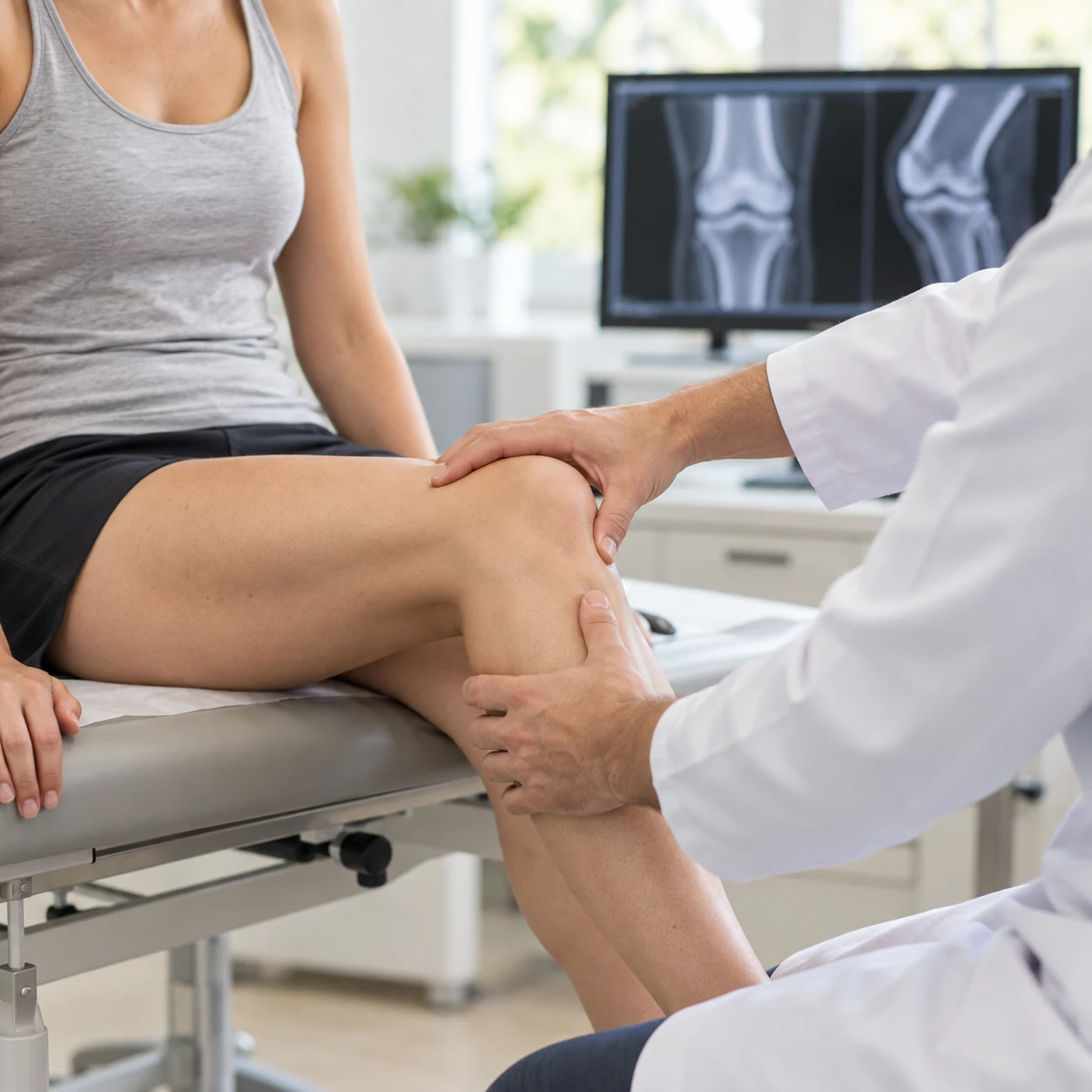
The diagnosis is based on the circumstances of the injury, examination of the knee, and, if necessary, imaging studies. The assessment also aims to identify associated injuries and evaluate functional stability.
01 — THE CLINICAL EXAMINATION
The doctor inquires about the mechanism of injury and the symptoms. He examines the mobility, swelling, and stability of the knee using appropriate clinical tests.
02 — X-RAYS
They can be performed to look for a fracture or associated bone damage. They do not, on their own, allow visualization of the ACL.
03 — KNEE MRI
An MRI can confirm ligament damage and help examine the menisci, cartilage, and other structures of the knee. It is interpreted in conjunction with the symptoms and findings of the clinical examination.
A visible tear on an MRI is not enough to decide on surgery. The stability of the knee and the activities the patient wishes to resume are also important factors.
RELIEVING KNEE PAIN WITHOUT SURGERY
An ACL tear does not always require surgery. Depending on the stability of the knee and the person's activities, a non-surgical approach may be considered.
Rehabilitation is important in both cases: it helps to regain mobility, strength and control of the knee.
RELIEVE THE SYMPTOMS
In the first few days, adjustments to activities and comfort measures may be suggested depending on the situation. Crutches or a knee brace may sometimes be helpful, on medical advice.
REHABILITATION AND STRENGTHENING
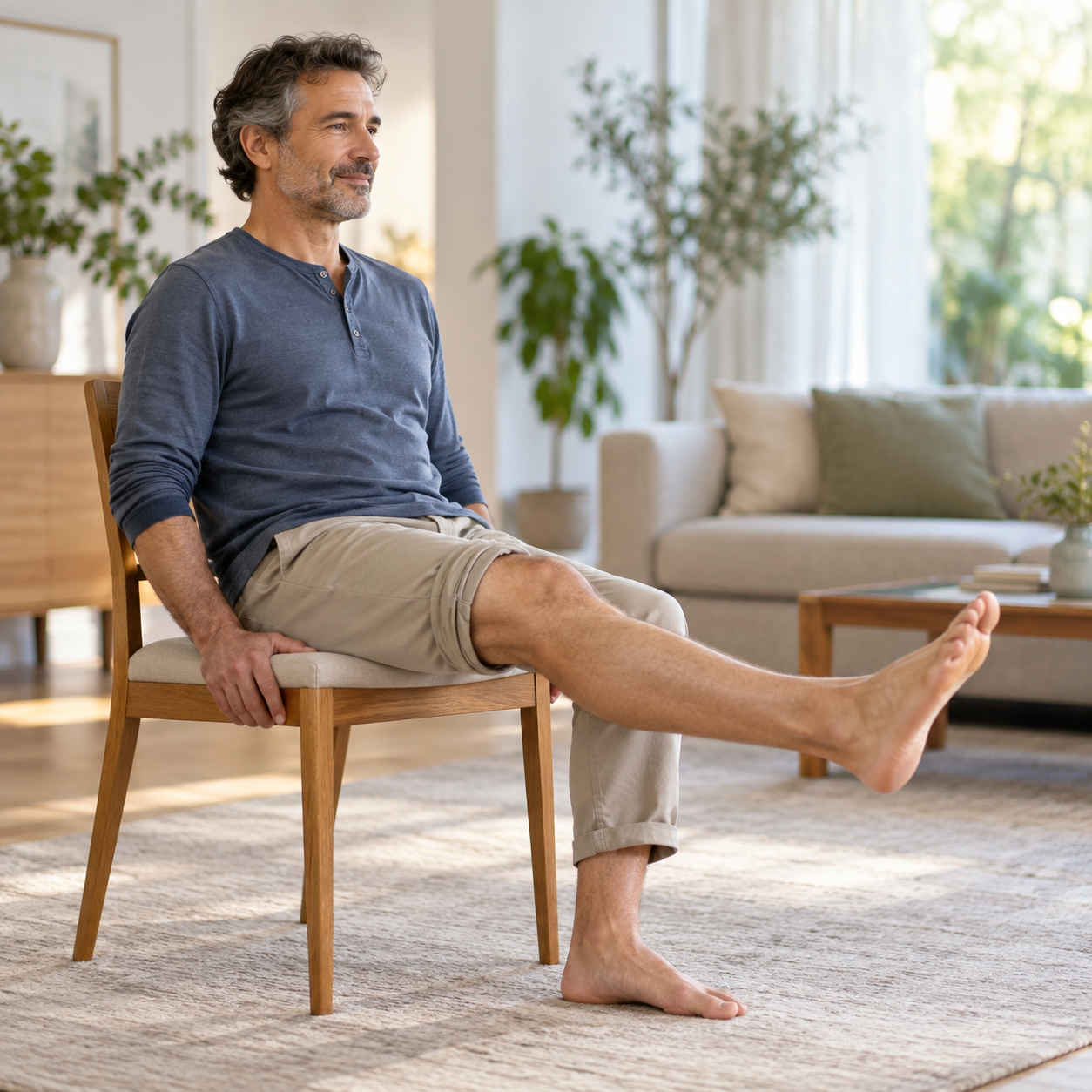
Physiotherapy aims to gradually restore mobility and muscle strength, then improve balance and knee control. Exercises are tailored to the level of pain, swelling, and stability.
→ Discover the stages of rehabilitation after ligament reconstruction
ADAPT THE ACTIVITIES
Activities that trigger a feeling of instability can be temporarily modified. The choice of exercises depends on knee stability and recovery goals.
DRUG TREATMENTS
Pain medication may be discussed depending on the patient's history and contraindications. It can help relieve symptoms, but it does not repair the ligament.
The treatment takes into account the stability of the knee and the activities that each patient wishes to resume.
WHEN TO CONSIDER SURGERY?
Reconstruction may be considered if the knee remains unstable despite appropriate rehabilitation, or if the desired activities involve pivoting and changes of direction. The decision also depends on any associated injuries and the patient's goals.
REBUILDING THE LCA
Ligamentoplasty involves replacing a torn ligament with a tendon graft. The procedure is usually performed arthroscopically. The choice of graft and technique depends on the patient's assessment and individual characteristics.
ENHANCING ROTARY STABILITY
In certain situations, a complementary procedure on the structures located outside the knee may be considered in conjunction with ACL reconstruction. This aims to improve rotational control in selected patients. It is not necessary in all cases.
ADDRESSING ASSOCIATED INJURIES
Damage to the meniscus or another structure may alter the surgical plan and recovery stages. Whenever possible, the strategy takes into account the importance of preserving the knee structures.
RESUME ACTIVITIES AFTER AN ACL RUPTURE
After an ACL rupture, the return to activities depends on knee stability, recovery, and the chosen treatment. It may be gradual, with adjustments at the beginning.
Physiotherapy focuses on improving mobility, muscle strength, balance, and movement control. The treatment plan is adjusted based on the knee's response.
After reconstruction, rehabilitation continues for several months. The return to sports involving pivoting or changes of direction is prepared gradually and is based on an assessment of recovery, not solely on the time elapsed.
The recovery schedule is individualized and defined with the professionals who are following the patient.
→ Understanding rehabilitation after ligament reconstruction

A CARE APPROACH TAILORED TO EACH PATIENT
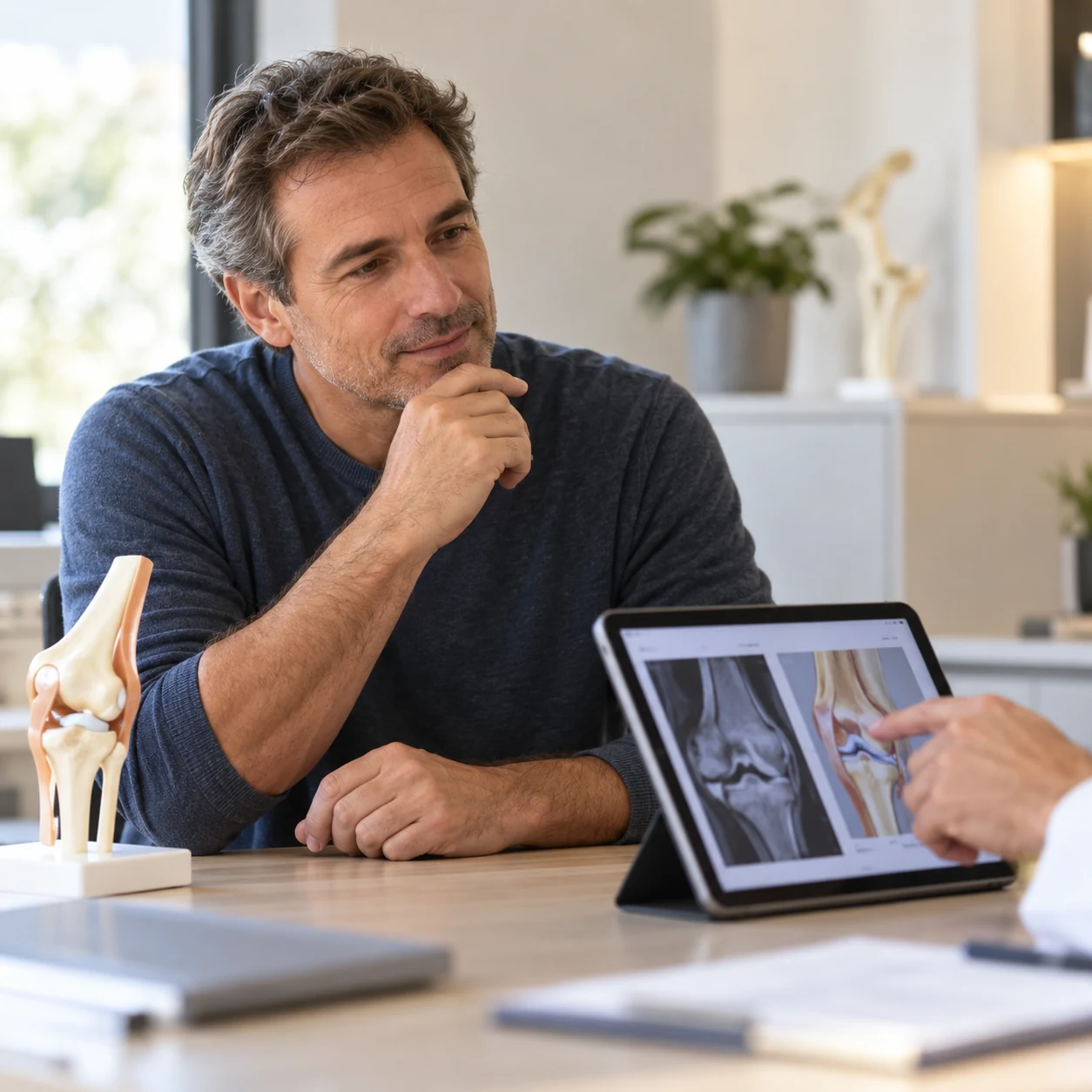
An ACL tear does not affect everyone in the same way. Some people experience instability in their activities, while others regain satisfactory function after appropriate rehabilitation.
Dr. Benoît Coulin assesses knee stability, any associated injuries, and each patient's expectations. Treatment may be conservative or surgical, depending on the situation.
If reconstruction is being considered, the recovery goals and rehabilitation steps are discussed with the patient.
«"The choice of treatment depends as much on the stability of the knee as on the activities the patient wishes to resume."»