
Understanding the link between osteoarthritis and being overweight
The relationship between osteoarthritis and being overweight is now clearly established. Osteoarthritis is a disease characterized by a progressive degradation of cartilage joint. Excess weight, meanwhile, increases the mechanical stress exerted on the joints and promotes certain inflammatory phenomena.
For a long time, it was thought that the impact of weight was purely mechanical. In reality, research shows that the link between osteoarthritis and excess weight is more complex. Excess fatty tissue directly influences the body's functions and can contribute to the onset or worsening of osteoarthritis.
This is why weight control is now considered one of the most important elements in the prevention and management of osteoarthritis.
Why does being overweight put more strain on the joints?
With each step, the joints support several times the body's weight. At the knee, the stresses exerted during walking can represent up to three to five times the body weight.
This means that a few extra kilos can have a considerable impact on the joints.
For example :
- An extra 5 kg of weight significantly increases the stress on the knee; ;
- The joints are stressed with every daily movement; ;
- Cartilage wear can accelerate over time.
This overload largely explains why osteoarthritis and being overweight are frequently associated.
Which joints are most affected?
All joints can be affected, but some are particularly vulnerable.
The knee
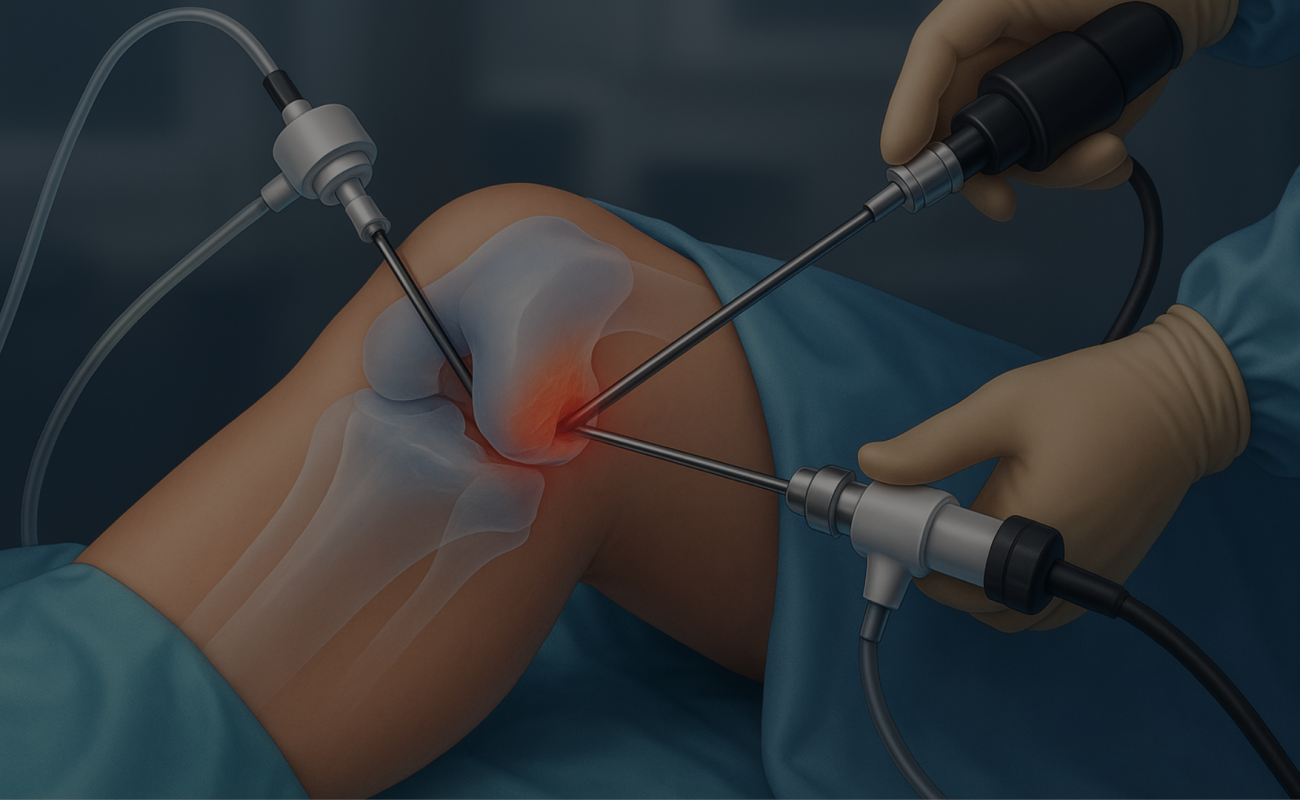
The knee is the joint most affected by the link between osteoarthritis and excess weight.
Excess weight increases stress on cartilage and promotes the development of:
- of pain; ;
- of discomfort when walking; ;
- of knee swelling; ;
- of a progressive decrease in mobility.
This is one of the reasons why knee osteoarthritis is particularly common in overweight people.
The hip
The hip also bears a large part of the body's weight. Prolonged overloading can accelerate joint wear and tear and promote the development of hip osteoarthritis.
Patients often describe:
- groin pain; ;
- stiffness; ;
- difficulty walking for long periods.
The other joints
Even some joints less directly subjected to weight, such as the hands, seem to be more frequently affected in people with excess body fat.
This suggests that the link between osteoarthritis and being overweight cannot be explained solely by mechanics.
The role of inflammation
Today, specialists know that fatty tissue is not simply an energy reserve. It also produces inflammatory substances that circulate in the body.
This low-grade inflammation can contribute to cartilage degradation and promote the progression of osteoarthritis.
This is one of the reasons why osteoarthritis and excess weight are associated even in joints that bear little of the body's weight.
Excess weight therefore has a dual effect:
- by mechanical overload; ;
- through an inflammatory effect.
What are the first signs to watch for?
When osteoarthritis begins to set in, the symptoms are often progressive.
The most frequent signs are:
- pain after exertion; ;
- discomfort when walking; ;
- stiffness upon waking; ;
- a decrease in mobility; ;
- difficulties on the stairs.
These symptoms should prompt a consultation, especially when they gradually worsen.
Can losing weight really help?
Yes.
Weight loss is one of the most effective measures to reduce symptoms related to osteoarthritis.
Even moderate weight loss can have significant effects:
- reduction of stress on the joints; ;
- reduction of pain; ;
- improved mobility; ;
- slowing of the progression of the disease.
Numerous studies show that a decrease in body weight significantly improves the quality of life of patients suffering from osteoarthritis.
It is estimated that each kilogram lost reduces the pressure exerted on the knee by 3 to 4 kilograms with each step. Over a full day of walking, the cumulative effect is considerable.
The relationship between weight and osteoarthritis is bidirectional: pain limits movement, which promotes weight gain, which in turn worsens the pain. Breaking this vicious cycle is one of the central goals of treatment.
How to protect your joints?
Addressing the link between osteoarthritis and excess weight relies on several complementary measures.
The most important recommendations are:
- maintain a suitable weight; ;
- engage in regular physical activity; ;
- strengthen the muscles around the joints; ;
- prioritize low-impact activities; ;
- Consult a doctor promptly if you experience persistent pain.
The goal is not to eliminate all activity, but rather to maintain mobile and functional joints.
What treatments can be offered?
Treatment depends on the stage of osteoarthritis and the discomfort experienced.
Depending on the situation, it may include:
- physiotherapy; ;
- muscle strengthening exercises; ;
- pain relief treatments; ;
- the leaks; ;
- certain biological treatments such as PRP.
When wear and tear becomes very significant, a surgical solution may be considered in order to sustainably improve quality of life.
Conclusion
The link between osteoarthritis and being overweight is now clearly established.’excess weight increases the stress on the joints and also promotes inflammatory mechanisms that accelerate cartilage wear.
The good news is that it is possible to take action. Even moderate weight loss, combined with appropriate physical activity and regular muscle strengthening, can reduce pain and slow the progression of the disease.
If you experience persistent joint pain or decreased mobility, it's important to consult a doctor promptly. Early intervention often allows for better symptom control and helps preserve your joints in the long term.