
What is a hip arthroscopy?
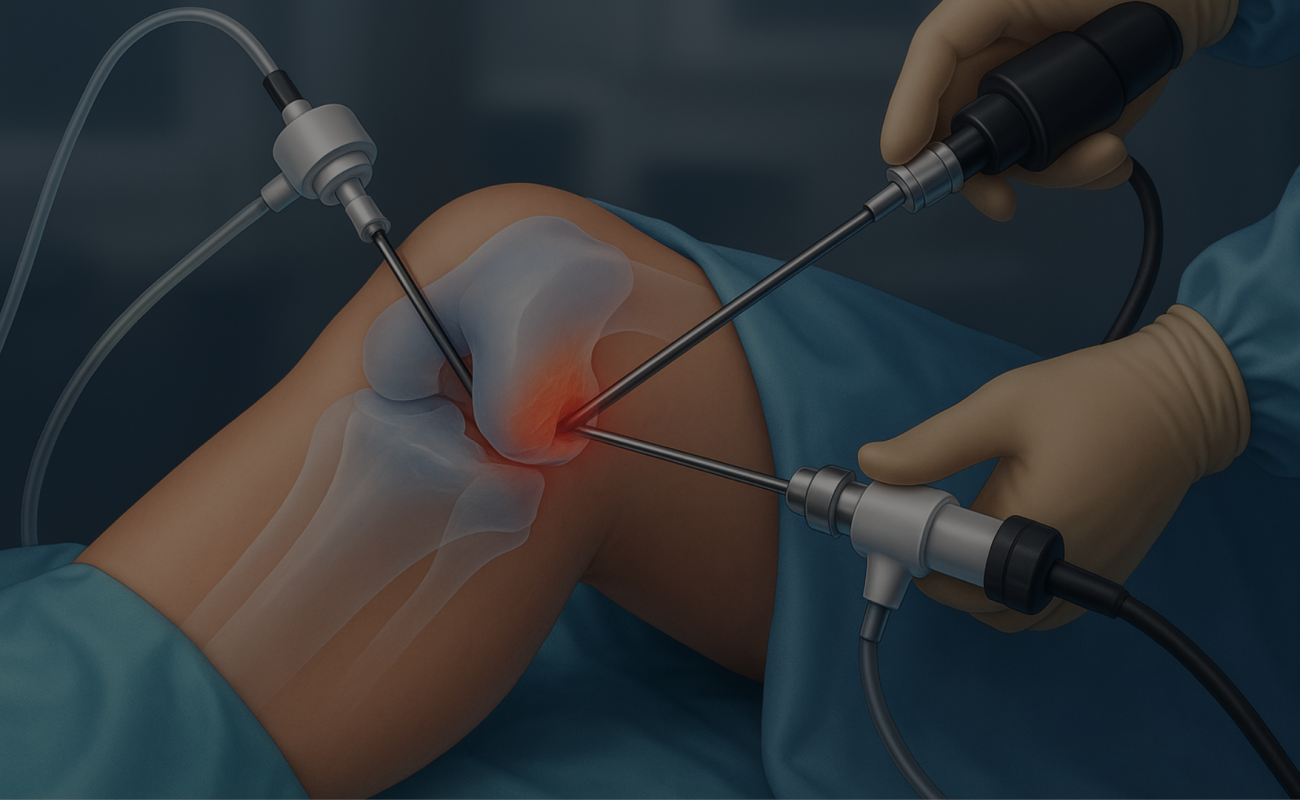
L'’hip arthroscopy is a technique minimally invasive surgical Used to diagnose and treat certain pathologies of the hip joint. Unlike open surgery, it is performed through small incisions allowing the introduction of a miniature camera and instruments specially designed to operate inside the joint.
For several years, this technique has profoundly transformed the management of certain hip pains, particularly in young and active patients. Thanks to advances in imaging, surgical instruments, and operating techniques, the’hip arthroscopy today it allows us to effectively treat lesions that previously required much more extensive surgery.
The aim of this intervention is to preserve the natural joint for as long as possible, by correcting certain abnormalities responsible for pain or premature wear of the cartilage.
In what cases is hip arthroscopy indicated?
L'’hip arthroscopy This procedure is not intended to treat all hip pain. It is indicated only when clinical and radiological examinations reveal a pathology that could benefit from arthroscopic treatment.
The main indications are:
- A femoroacetabular impingement ;
- an injury to the labrum ;
- certain cartilage lesions; ;
- the presence of foreign bodies in the joint; ;
- certain inflammations of the synovial membrane; ;
- persistent pain despite well-conducted medical treatment.
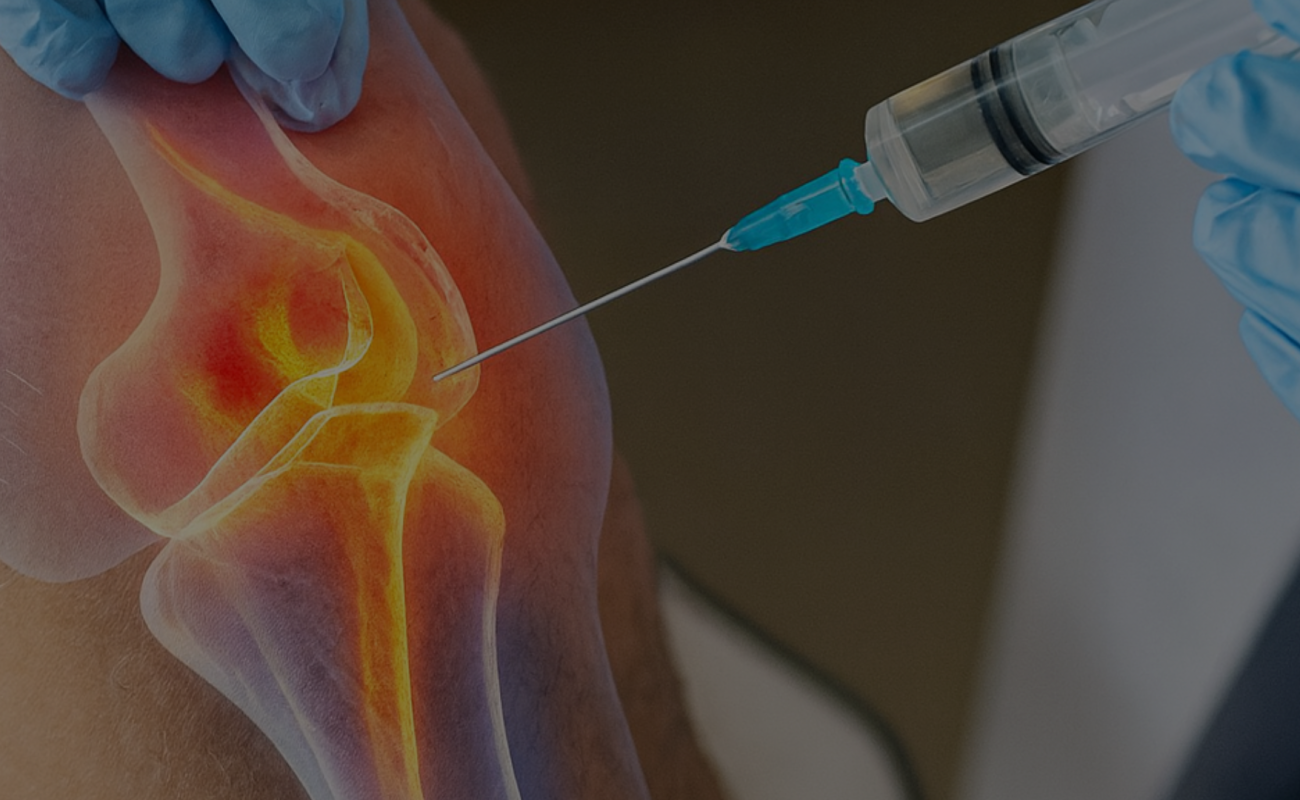
Before considering intervention, conservative treatment is generally offered, combining relative rest, physiotherapy, adaptation of activities and sometimes injections.
When these treatments no longer improve symptoms, hip arthroscopy may become a relevant option.
Femoroacetabular impingement: the most frequent indication
Hip arthroscopy is performed under general anesthesia Or local/regional. The patient is positioned on a special table that allows traction to be put on the hip, in order to create space inside the joint.
The surgeon then makes small skin incisions, usually a few millimeters long, to introduce the camera and instruments.
Using the arthroscope, the inside of the hip is visualized on a screen. The surgeon can then identify the lesions and perform the necessary procedures: labral repair, cartilage regularization, or correction of a bone impingement.
The procedure lasts on average between one and two hours, depending on the complexity of the lesions.
Can the labrum be repaired?
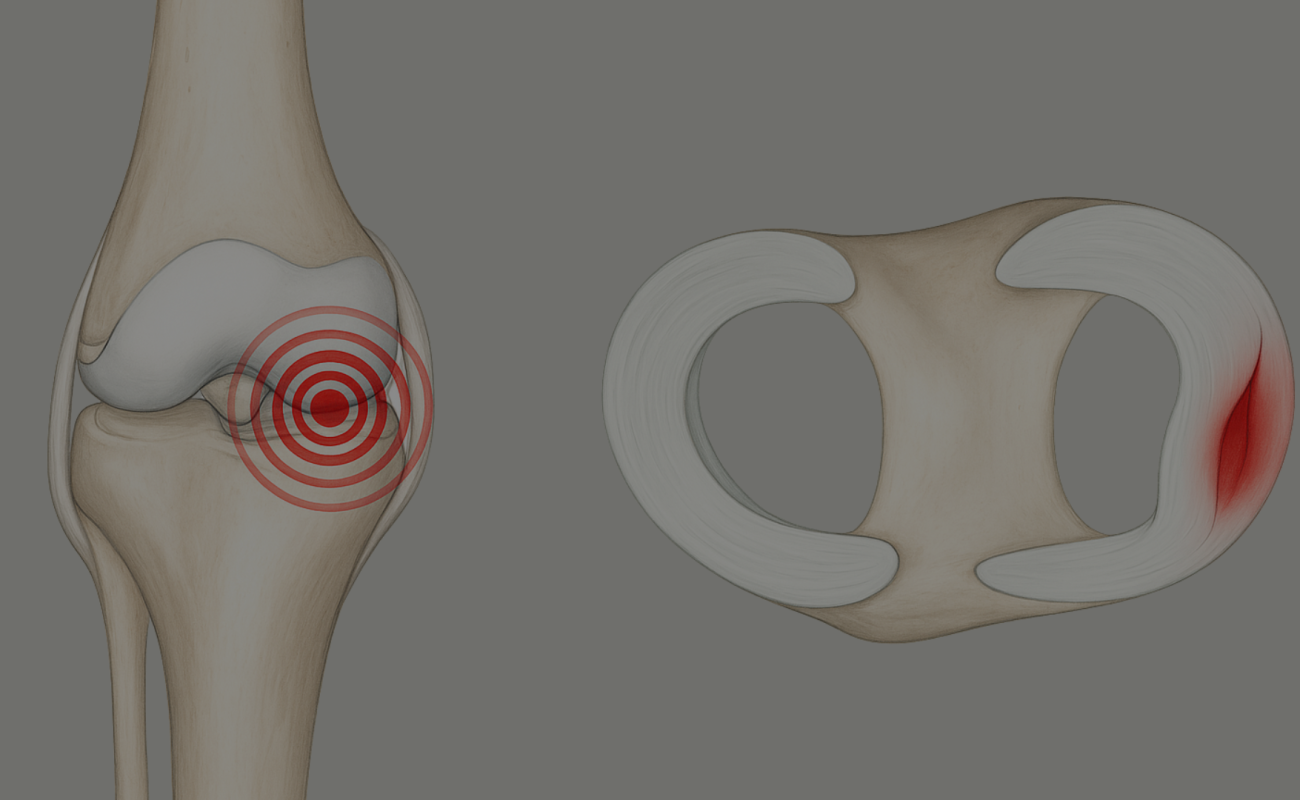
Yes. The labrum It is a fibrocartilaginous ring located around the acetabulum. It improves hip stability and contributes to the proper functioning of the joint.
When torn, it can cause:
- deep pains; ;
- a feeling of being blocked; ;
- clicking sounds; ;
- discomfort in certain movements.
Hip arthroscopy often allows for labral repair when the labrum is still in good condition. If repair is not possible, smoothing of the damaged area can be performed to reduce symptoms.
Preserving the labrum is a priority today, as it plays an essential role in protecting the cartilage.
How is a hip arthroscopy performed?
The procedure is performed in the operating room under anesthesia, most often general anesthesia.
The patient is positioned on a special table that creates a slight space between the joint surfaces in order to work inside the hip without damaging the cartilage.
The surgeon then makes two or three small incisions of a few millimeters.
A camera is inserted into the joint to precisely visualize:
- cartilage; ;
- the labrum; ;
- the head of the femur; ;
- the acetabulum; ;
- the ligaments.
Miniaturized instruments are then introduced through the other incisions to treat the various lesions identified.
Depending on the pathology encountered, the surgeon may:
- remove a small bony growth; ;
- repair the labrum; ;
- to regularize a cartilage lesion; ;
- remove a foreign object; ;
- to treat local inflammation.
Thanks to this minimally invasive approach, surrounding tissues are better preserved than during open surgery.
What are the advantages of hip arthroscopy?
Hip arthroscopy has several advantages when performed on properly selected patients.
This technique allows, in particular:
- to limit the size of the incisions; ;
- to better preserve muscles and tissues; ;
- to obtain excellent visualization of the joint; ;
- to treat several lesions during the same procedure; ;
- to promote a generally faster recovery than open surgery.
One of its main advantages is also to treat certain pathologies before they lead to greater wear and tear on the joint.
In some cases, this can help slow the progression towards a hip osteoarthritis.
What are the risks of hip arthroscopy?
Like any surgical procedure, the’hip arthroscopy It involves certain risks, although complications remain infrequent when the indication is well established and the intervention is carried out under good conditions.
The main risks include:
- an infection of the joint; ;
- a hematoma; ;
- persistent stiffness; ;
- a temporary irritation of certain nerves related to the traction of the hip; ;
- persistent pain occurs when the lesions are already too advanced.
These complications remain rare and are limited thanks to current techniques, good preoperative preparation and adherence to the rehabilitation protocol.
Before any procedure, the surgeon explains the expected benefits but also the potential risks so that the patient can make an informed decision.
How does the recovery process work?
Recovery after a hip arthroscopy is generally faster than that observed after open surgery. However, recovery time varies depending on the condition treated and the procedures performed during the intervention.
In the first few days, moderate pain and difficulty walking are common. Crutches are often used to relieve pressure on the hip for a short period.
Gradually, the patient regains better mobility and a reduction in pain. Resumption of daily activities is generally gradual and adapted to each individual's progress.
It is important to follow the instructions given after the operation, particularly regarding support, permitted movements and resumption of physical activities.
Rehabilitation: an essential step
The success of hip arthroscopy does not depend solely on the surgical procedure. Rehabilitation plays an equally important role in recovery.
The first sessions usually begin soon after the operation. They have several objectives:
- gradually regain hip mobility; ;
- reduce pain; ;
- limit stiffness; ;
- strengthen the muscles around the joint; ;
- improve stability and balance.
As the weeks go by, the exercises become more dynamic in order to regain a normal gait, then everyday movements and sports activities.
Regular and well-conducted rehabilitation helps to optimize the results of the’hip arthroscopy.
When can we resume playing sports?
The return to sport depends on the type of injury treated, the intervention performed and the recovery of each patient.
Low-impact activities, such as stationary cycling or swimming, can often be resumed more quickly than sports involving jumping, pivoting, or changes of direction.
The recovery is always gradual and based on several criteria:
- satisfactory mobility; ;
- sufficient muscle recovery; ;
- a disappearance of the pain; ;
- good hip stability.
Resuming intense activity too quickly can compromise healing and slow recovery. That's why it's essential to follow the rehabilitation program and the recommendations of the medical team.
What results can we expect ?
When the indication is correctly established, the’hip arthroscopy often allows for a significant improvement in pain and joint function.
Many patients observe:
- a reduction in groin pain; ;
- an improvement in mobility; ;
- a more comfortable resumption of daily activities; ;
- a gradual return to sport.
The best results are generally obtained when the procedure is performed before the onset of advanced osteoarthritis. The more cartilage is preserved, the greater the chances of achieving lasting improvement.
However, it is important to remember that results may vary depending on age, the condition of the joint, the pathology being treated, and the patient's involvement in their rehabilitation.
The limitations of hip arthroscopy
Although hip arthroscopy represents a significant advance, it is not suitable for all situations.
When osteoarthritis is very advanced and the cartilage is largely destroyed, this procedure generally no longer restores satisfactory joint function. In this context, other solutions, such as hip prosthesis, may be more appropriate.
Arthroscopy is therefore primarily intended to treat localized lesions or mechanical abnormalities before they cause irreversible wear and tear of the hip.
This is why early diagnosis is essential: the earlier treatment is carried out, the greater the chances of preserving the natural joint.
Conclusion
Hip arthroscopy is a minimally invasive technique that effectively treats certain conditions that cause pain and limited movement. Through small incisions and a camera inserted into the joint, it offers the possibility of correcting a femoroacetabular impingement, to repair a labrum damaged or to treat certain cartilage conditions while preserving the surrounding tissues as much as possible.
When performed for an appropriate reason, hip arthroscopy often reduces pain, improves mobility, and facilitates a gradual return to daily and sporting activities. However, the quality of the results depends on several factors: an accurate diagnosis, timely intervention, and rigorous post-operative rehabilitation.
Finally, it is important to remember that this procedure does not replace a prosthesis when osteoarthritis is already very advanced. Its main advantage is precisely to intervene before the damage becomes irreversible, in order to preserve the natural joint for as long as possible.