
The role of the menisci in the knee joint
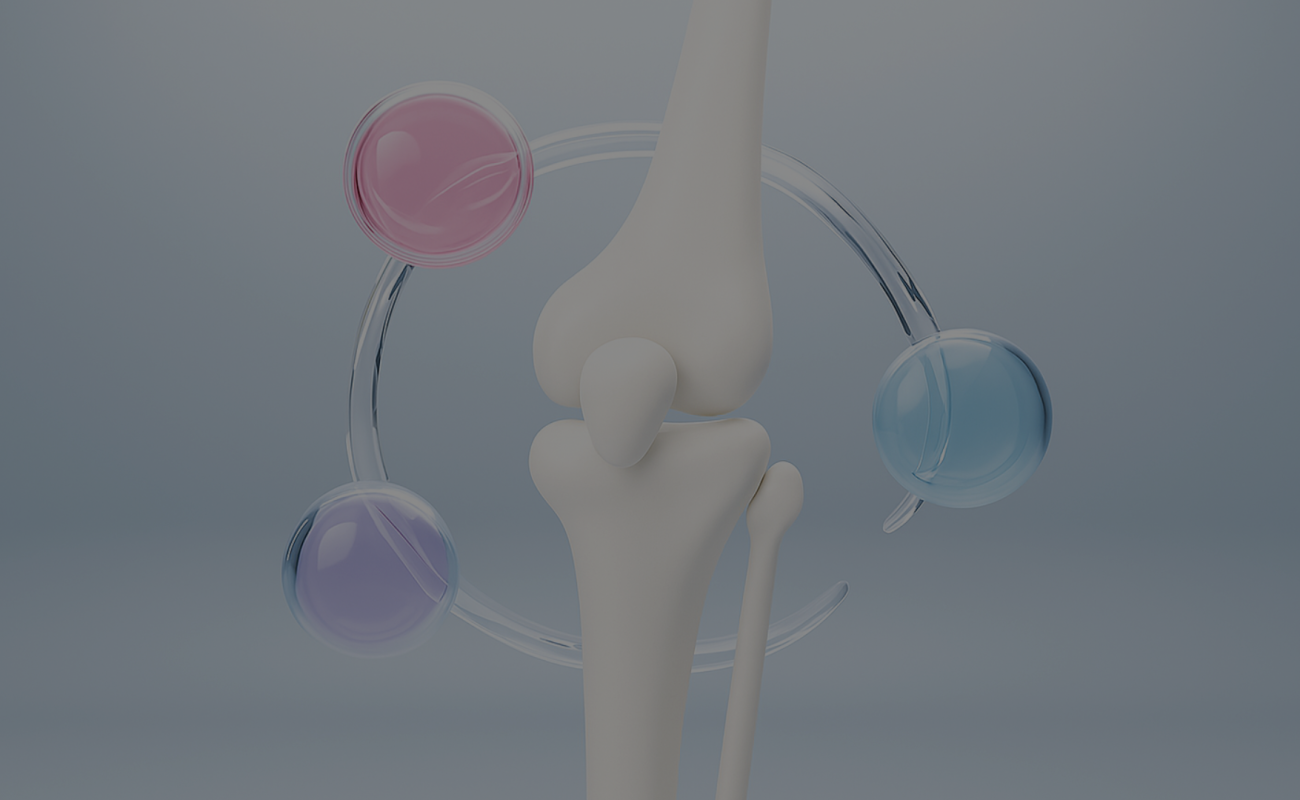
The knee has two menisci: a medial and a lateral one, located between the femur and the tibia. These small, crescent-shaped pads play an essential role in shock absorption, joint stability, and load distribution during walking, running, or sports.
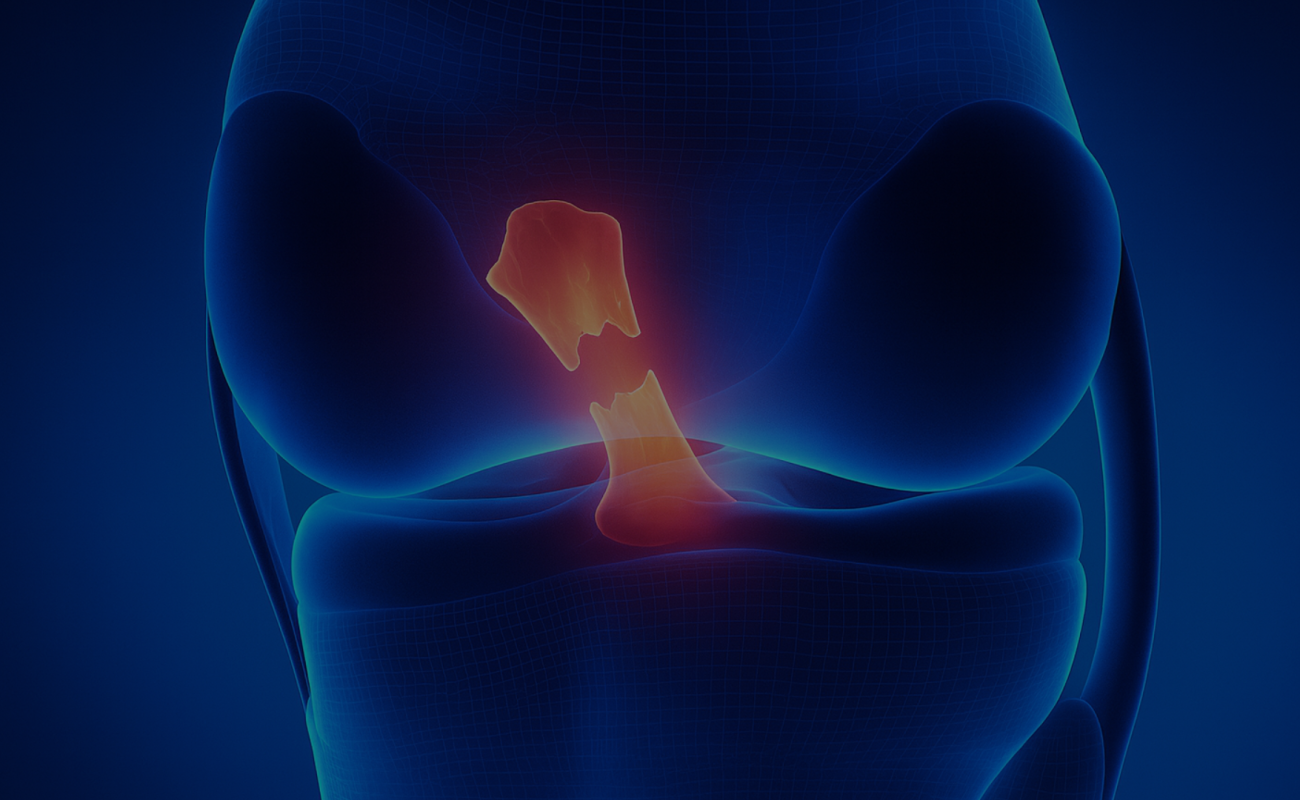
In the event of a meniscal injury or tear, the knee becomes painful, unstable or locked.
If medical treatment (rest, physiotherapy, injections) is not sufficient to relieve symptoms, meniscus surgery may be considered to restore function and preserve the joint.
When should meniscus surgery be considered?
Not all meniscal injuries require surgery. Dr. Coulin always prefers a conservative approach initially (rest, rehabilitation, pain relief). Surgery is only indicated if symptoms persist or worsen.
Meniscus surgery is generally recommended when:
- The pain persists despite several weeks of medical treatment.
- The joint becomes blocked or remains unstable, limiting daily movements.
- The tear makes it difficult to walk, play sports or do work.
- The meniscus is pinched, cracked or detached from a mobile segment.
The type of intervention depends on several criteria: the nature of the lesion, the patient's age, their activity level, and the overall condition of the cartilage. Each decision is made on a case-by-case basis, after a clinical examination and appropriate imaging (MRI, X-rays).
How does the procedure take place?
Meniscus surgery is performed under arthroscopy, a minimally invasive technique that allows access to the inside of the joint using a camera and very fine instruments. It is generally performed on an outpatient basis, with return home the same day.
Dr. Coulin has two main options:
- Partial meniscectomy : the surgeon removes only the damaged part of the meniscus, while preserving as much healthy tissue as possible. This relieves symptoms while protecting the cartilage.
- Meniscal suture : In some cases, particularly in young or athletic patients, the meniscus can be repaired with stitches. This technique is possible if the tear is located in a well-vascularized area, which promotes healing.
The choice between meniscectomy and suture depends on the location, the age of the lesion and the healing potential of the meniscal tissue.
What are the post-operative consequences ?
The consequences depend on the action performed:
- After a partial meniscectomy, support is authorized quickly, often the next day, with a gradual resumption of activities.
- After a meniscal suture, the protocol is stricter: the joint must be protected for several weeks to allow optimal healing.
In any case, the rehabilitatetion plays a central role. It aims to:
- Restore knee mobility.
- Strengthen muscles, especially the quadriceps.
- Regain smooth, pain-free walking.
- Return to sport gradually, depending on progress (from a few weeks to several months).
What results can you expect ?
Meniscus surgery yields excellent results when performed at the right time. Patients typically experience:
- A marked improvement in pain.
- The disappearance of blockages or mechanical discomfort.
- A resumption of daily and sporting activities without instability.
Dr. Coulin takes great care to preserve the meniscus as much as possible, as this tissue is essential for protecting the cartilage. Preserving the meniscus reduces the risk of secondary osteoarthritis and promotes optimal joint longevity.
A targeted and personalized approach
Each meniscal tear is different and does not necessarily require the same treatment. This is why Dr. Coulin performs a clinical examination A thorough examination, supplemented by precise imaging analysis, is conducted to assess the location of the lesion, its extent, and its healing potential. The goal is to propose a personalized treatment strategy, whether conservative or surgical, prioritizing meniscus preservation whenever possible. This tailored approach optimizes outcomes, promotes sustainable recovery, and preserves long-term knee health.
Do you have knee pain and are you thinking about a meniscus tear?
Dr. Coulin will see you in Geneva to assess your pain, make a clear diagnosis and determine if meniscus surgery is indicated.
Thanks to expert and individualized care, he guides you towards the most suitable solution: conservative treatment, meniscal repair or partial meniscectomy.