
What is the anterior cruciate ligament (ACL)?
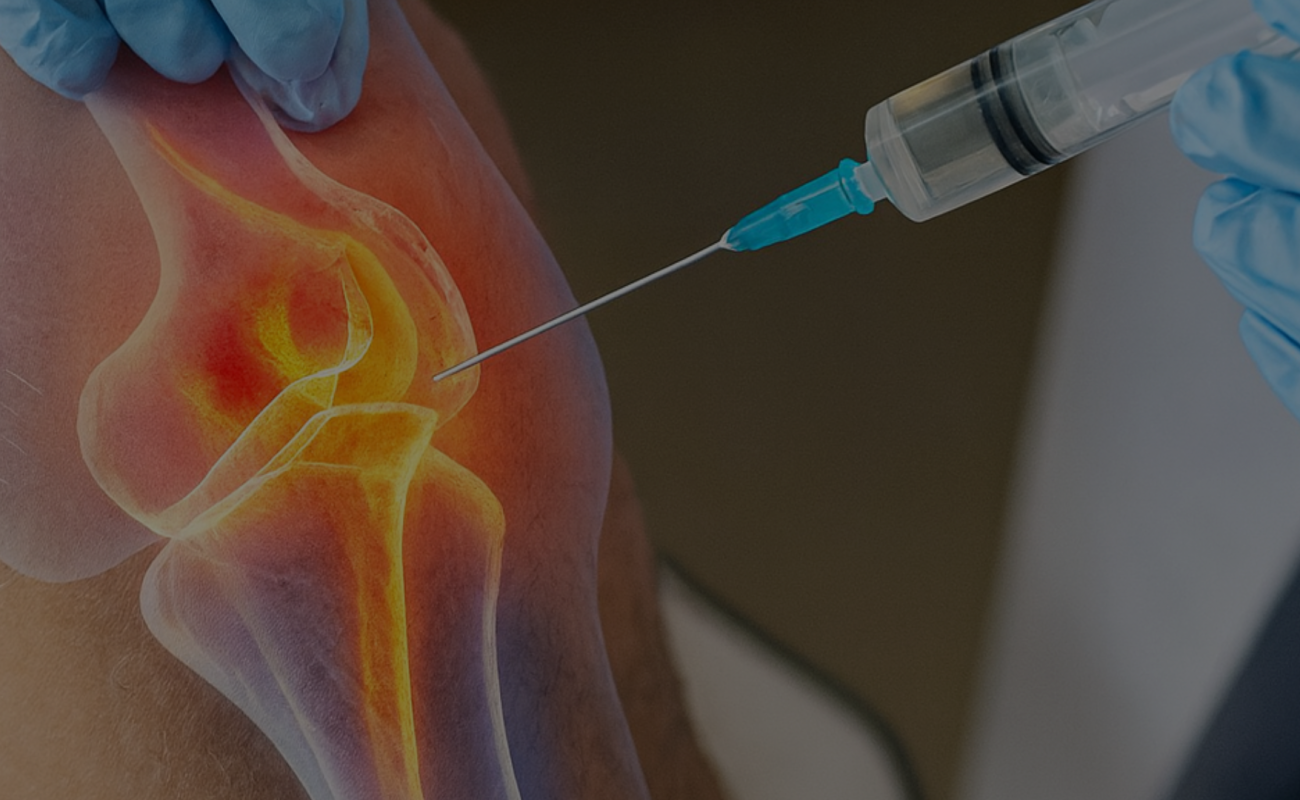
THE anterior cruciate ligament (ACL) It is one of the pillars of knee stability. Located in the center of the joint, it connects the femur to the tibia and limits the forward sliding of the tibia relative to the femur.
Together with the posterior cruciate ligament (PCL), it forms a cross in the middle of the knee, which gives them their name of cruciate ligaments.
The ACL plays a vital role during pivoting movements, changes of direction, or sudden stops.
In the event of a breakup, stability is compromised, sometimes making it impossible to continue sporting or professional activities.
What are the causes and risk factors for an ACL tear?
Anterior cruciate ligament (ACL) rupture most often occurs during a sports injury. The sports most at risk are:
- football,
- skiing,
- basketball,
- rugby,
- handball.
These sports involve pivoting, jumping, landing, and sudden acceleration, all of which put a lot of strain on the knee. Injury can result from:
- with a sudden twisting movement,
- unexpected braking or change of direction,
- from a fall,
- or direct contact on the knee.
Certain factors increase the risk of ACL rupture:
- a lack of physical preparation,
- muscle fatigue,
- an imbalance between quadriceps and hamstrings,
- or an inappropriate technique during sporting movements.
What are the symptoms of an ACL tear?
A rupture of the anterior cruciate ligament often manifests itself through a brutal and striking feeling:
- a cracking or tearing sensation at the time of trauma,
- immediate acute pain,
- rapid swelling of the knee (hemarthrosis),
- instability, giving the impression that the knee “gives way”, particularly on uneven ground or during rotations.
These symptoms should lead to a specialist consultation in order to confirm the diagnosis and avoid complications.
Prevention of ACL tears
ACL injury prevention relies on targeted physical preparation. Dr. Coulin recommends:
- A muscle strengthening quadriceps, hamstrings, glutes and core muscles,
- a work of proprioception and movement perception, to improve coordination and responsiveness,
- a suitable warm-up before any effort,
- and one gradual recovery after an injury to prevent recurrence.
Specific prevention programs already exist in certain sports clubs, significantly reducing the risks of ACL tears.
How to diagnose an ACL tear?
The diagnosis is based on several stages:
- Clinical examination: the specialist assesses knee stability using specific tests (Lachman, pivot shift…).
- MRI of the knee: it allows direct visualization of the anterior cruciate ligament and detection of any associated lesions (meniscus, cartilage).
- X-ray: useful to rule out a fracture or associated bone injury.
A rapid and accurate diagnosis allows the most appropriate treatment to be implemented.
What are the possible treatments for a ruptured anterior cruciate ligament?
The choice of treatment depends on the patient's age, activity level and expectations.
- Conservative treatment
In sedentary or non-athletic patients, ACL tears can sometimes be managed without surgery. Treatment includes:
- intensive rehabilitation,
- muscle strengthening,
- adaptation of activities to limit stress on the knee.
- ACL Surgery
In young people, athletes, or in cases of persistent instability, anterior cruciate ligament (ACL) reconstruction is recommended. The operation involves replacing the torn ACL with a tendon graft, most often taken from:
- the patellar tendon,
- the hamstrings,
- or sometimes the quadriceps tendon.
The intervention is carried out under arthroscopy, with small incisions and equipment adapted to the patient's morphology.
What are the after-effects after ACL surgery?
Rehabilitation is a key step to success. It begins quickly after surgery and has several goals:
- restore knee mobility,
- strengthen the muscles,
- retrain proprioception,
- regain a smooth gait.
The resumption of sport is happening gradually, between 6 and 12 months, depending on the discipline practiced and the patient's progress.
Expert and personalized support in Geneva
A ruptured anterior cruciate ligament should never be ignored, as it exposes the patient to risks of meniscal tears or early-onset osteoarthritis. Dr. Coulin takes a comprehensive approach: accurate diagnosis, appropriate treatment (conservative or surgical), and individualized rehabilitation follow-up.
Do you think you may have torn your ACL?
THE Dr. Coulin We welcome you to Geneva to make a clear diagnosis and build, with you, a tailor-made treatment plan — whether it is to regain the stability needed for sport, work or simply a comfortable daily life.